Aim :
To successfully grow marigold in a DWC hydroponic system and evaluate its growth and flowering performance.
Objectives :
Objectives of the Trial
- To study the effect of iron (Fe) and manganese (Mn) on the growth of marigold plants in a DWC hydroponic system.
- To compare plant growth parameters such as plant height, plant weight, number of vegetative buds, and root length in nutrient solutions with and without Fe and Mn.
- To observe the effect of micronutrient deficiency (Fe and Mn) on leaf color, plant health, and overall development of marigold.
- To evaluate the importance of micronutrient management in hydroponic cultivation of marigold.
- To standardize the nutrient solution (EC and pH) requirements for optimal vegetative and flowering growth of marigold under DWC system.
To better understand the role of micronutrients in hydroponic cultivation, a two-trial comparison was conducted in the DWC system.
- Tank 1, the nutrient solution was prepared with the addition of micronutrients iron (Fe) and manganese (Mn) as part of the dosing schedule.
2. Tank 2, the same nutrient solution was used but Fe and Mn were intentionally omitted. This trial was designed to observe the effect of micronutrient deficiency on marigold growth.
By comparing the growth of plants in these two tanks, differences in plant height, root development, vegetative bud formation, and leaf color could be observed. This comparison helped in understanding the importance of Fe and Mn in maintaining healthy plant growth in a DWC hydroponic system.
Fertilizer Dosing and EC,pH Excel Sheet :
8 Feb – 10 Feb 2026
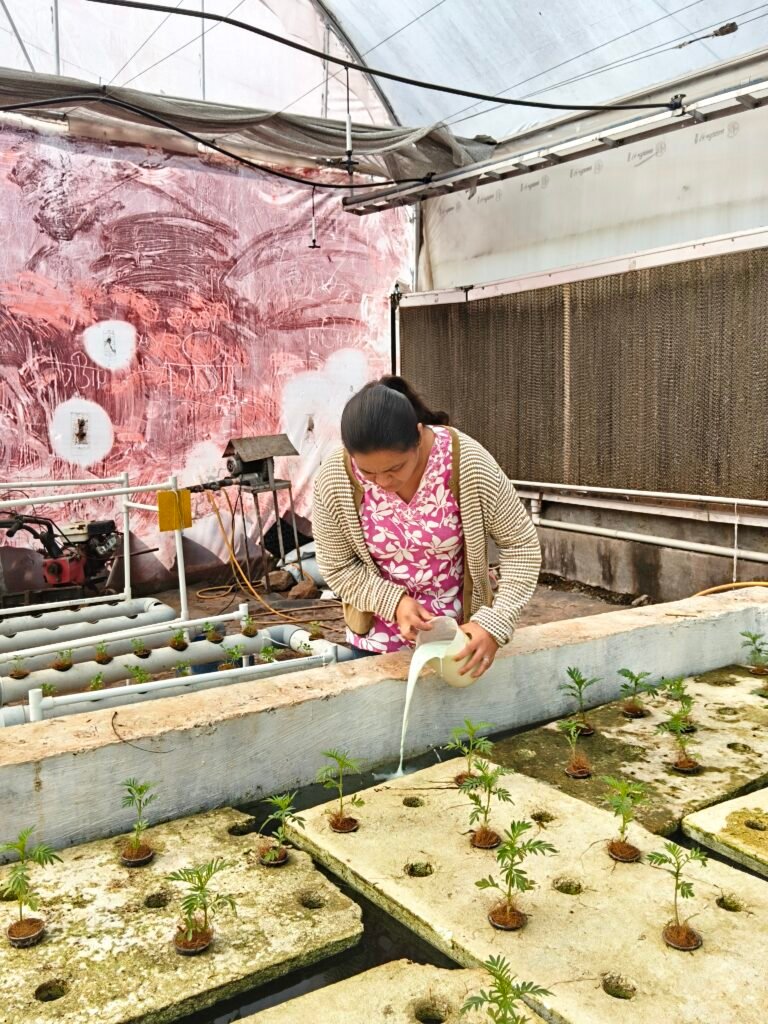
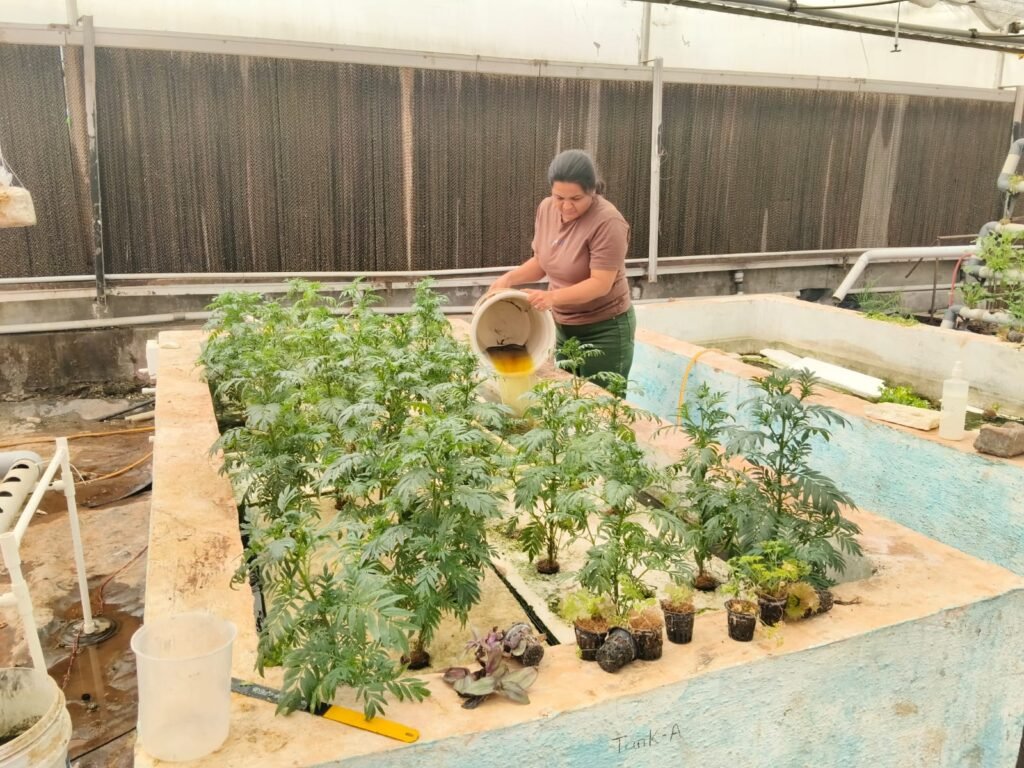
A discussion was held with Dixit Sir, and it was decided to conduct a trial of marigold in the DWC system. Accordingly, we transplanted marigold seedlings of yellow and orange colors into the DWC tank.
- EC – 1.2 m S/cm
- pH – 5.8

14 Feb 2026 ( Week 1 )
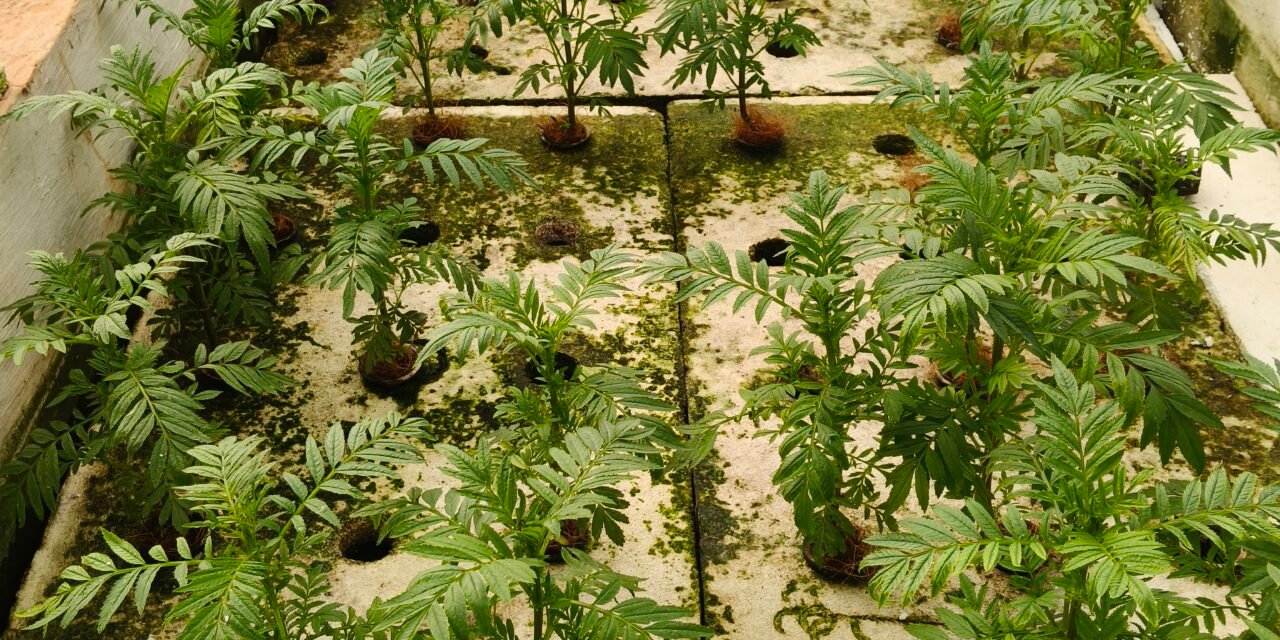
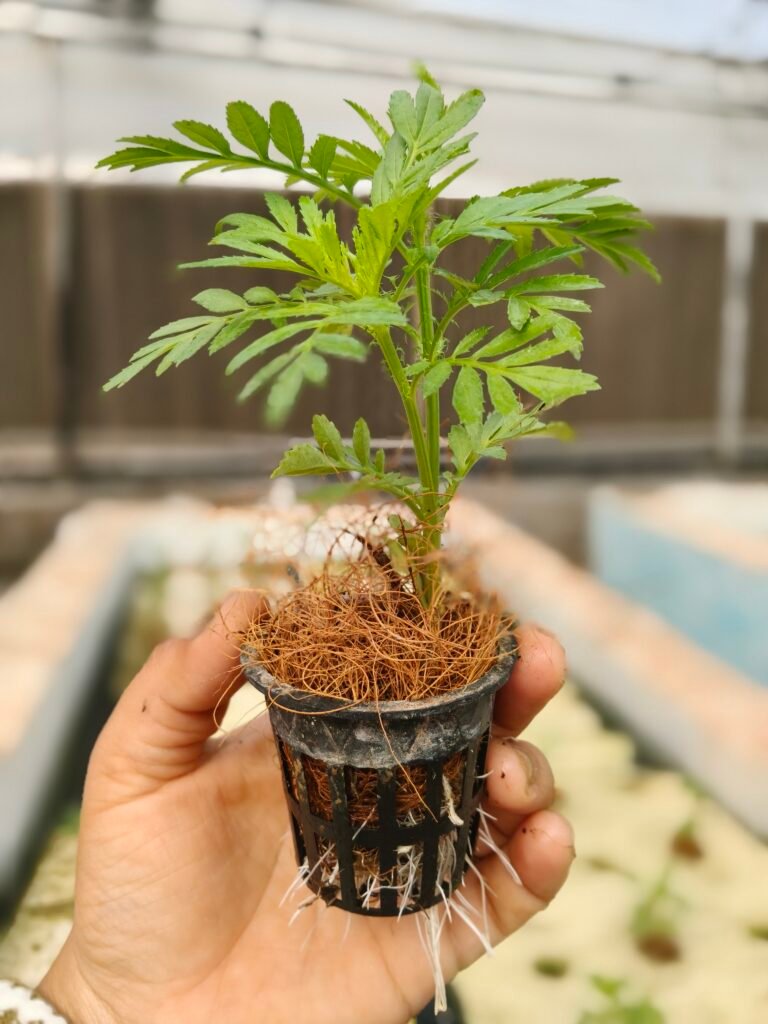
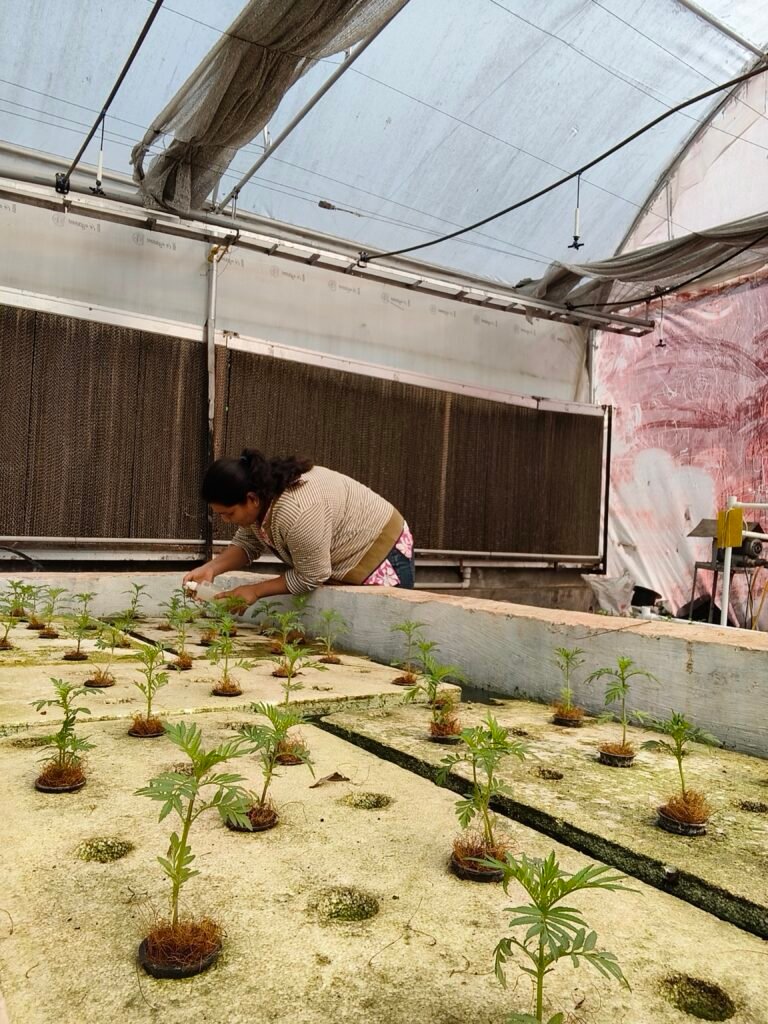
After 4 days, the plant growth looked good and the roots were also well developed. However, pest infestation started appearing on the marigold plants. The pests from the capsicum plants in the polyhouse had spread to the marigold plants. It was necessary to control them, so I applied a spray of neem oil.
- EC -1.2 m S/cm
- pH – 5.9
21 Feb 2026 (Week 2)
I applied neem oil spray at an interval of 3 days, and by week 2, the pest attack had reduced significantly. The marigold plants were growing well, showing good vegetative and root growth. Also, the system is provided with bubbling at 1-hour intervals during the daytime.
EC- 1.2m S/cm
pH -5.9
Observation :
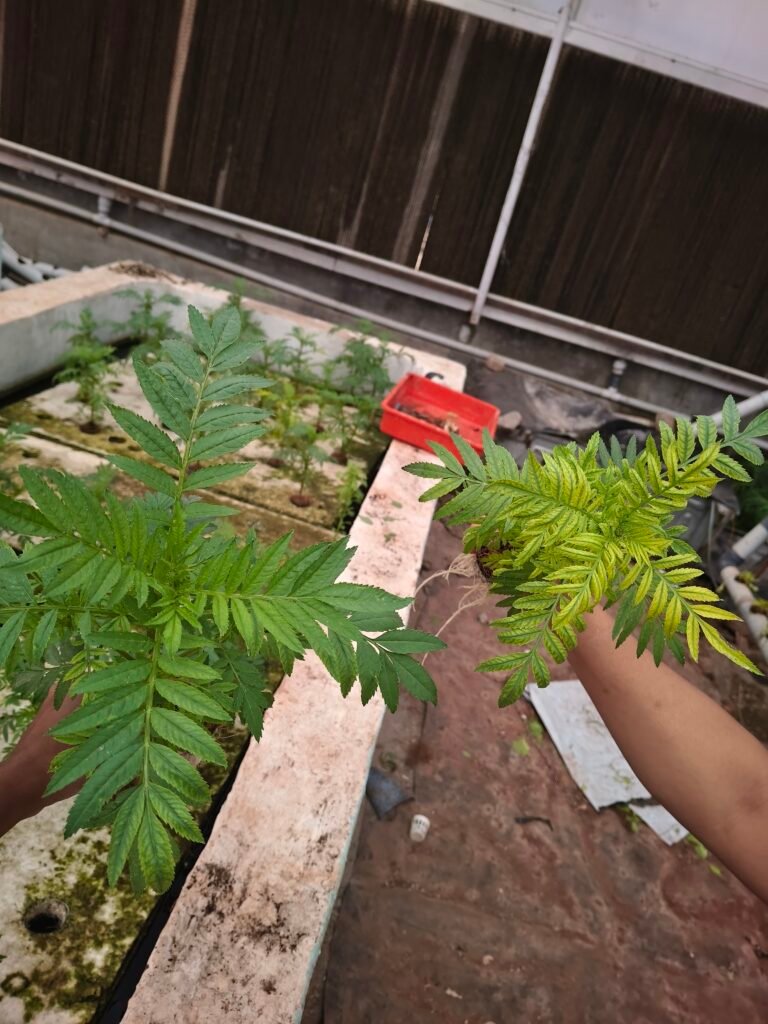
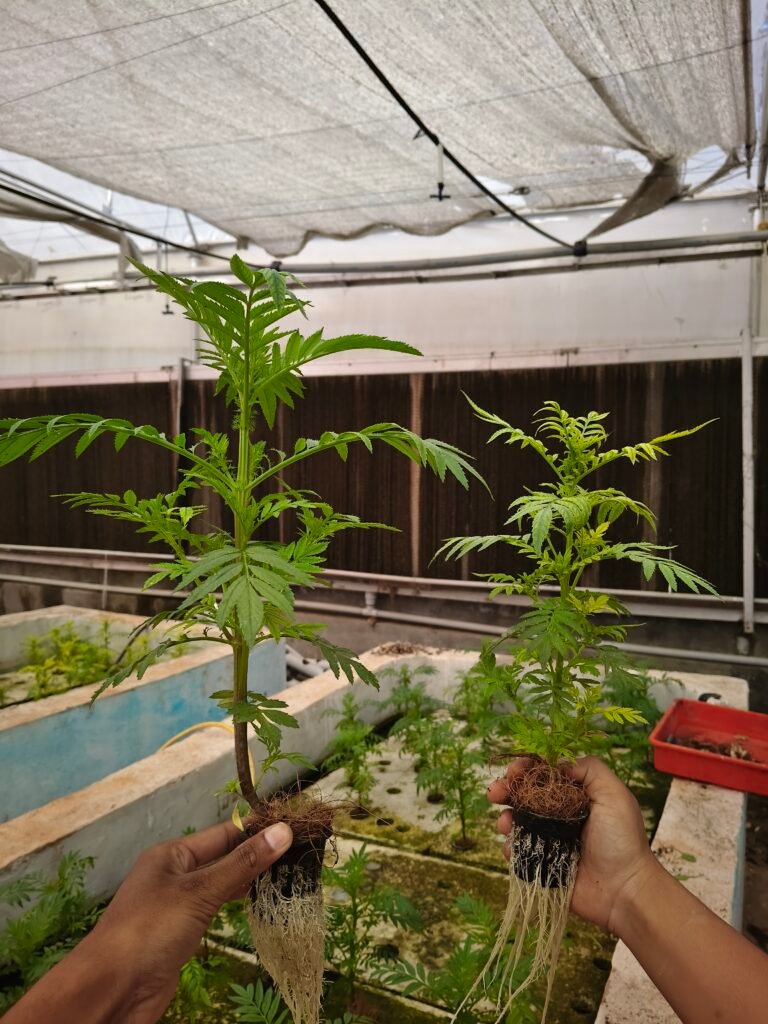
Plants grown without iron (Fe) in the nutrient solution showed yellowing of young leaves (interveinal chlorosis), reduced plant height, and weaker root development compared to plants supplied with Fe. This indicates iron deficiency in the hydroponic DWC system.
| Parameter | Left Plant (Healthy – Fe Present) | Right Plant (Iron Deficiency) | Interpretation |
|---|---|---|---|
| Leaf Color | Dark green leaves | Yellowish young leaves | Iron helps in chlorophyll formation; deficiency causes yellowing of leaves. |
| Chlorosis | No chlorosis | Slight interveinal chlorosis | Iron deficiency leads to interveinal chlorosis, especially in young leaves. |
| Plant Height | Greater plant height | Lower plant height | Adequate iron supports better plant growth and development. |
| Stem Strength | Strong and thick stem | Weaker stem | Iron availability improves overall plant vigor and structural strength. |
| Root System | Longer and denser roots | Smaller root mass | Iron supports better root development. |
| Overall Growth | Good vegetative growth | Poor / weak growth | Absence of iron reduces photosynthesis and overall plant growth. |
28 Feb 2026 (Week 3 )
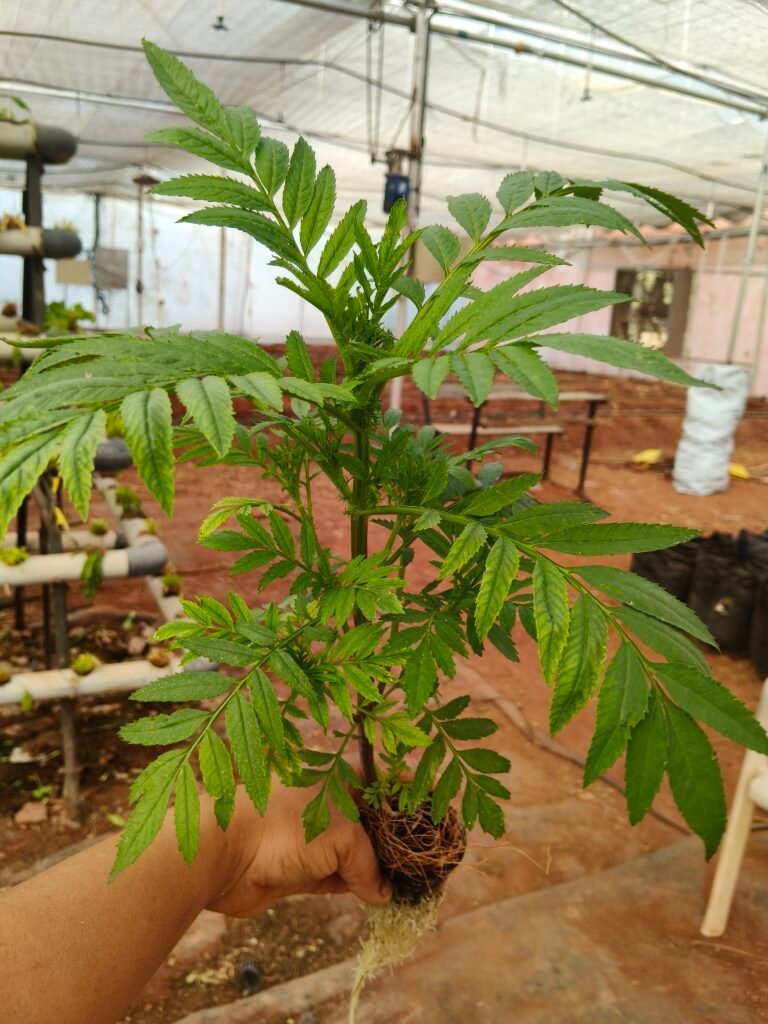
On 28th, a discussion was held with Dixit Sir regarding the growth of marigold in the DWC tank. The marigold growth was very good, with only about 2% pest infection observed, which will also be controlled. The root growth and vegetative branches were well developed. The marigold plants in the DWC system showed growth similar to those grown in soil. After discussing with Dixit Sir, it was decided to start the required dosing for the flowering stage in the next week.
EC -1.4 m S/cm
pH – 6

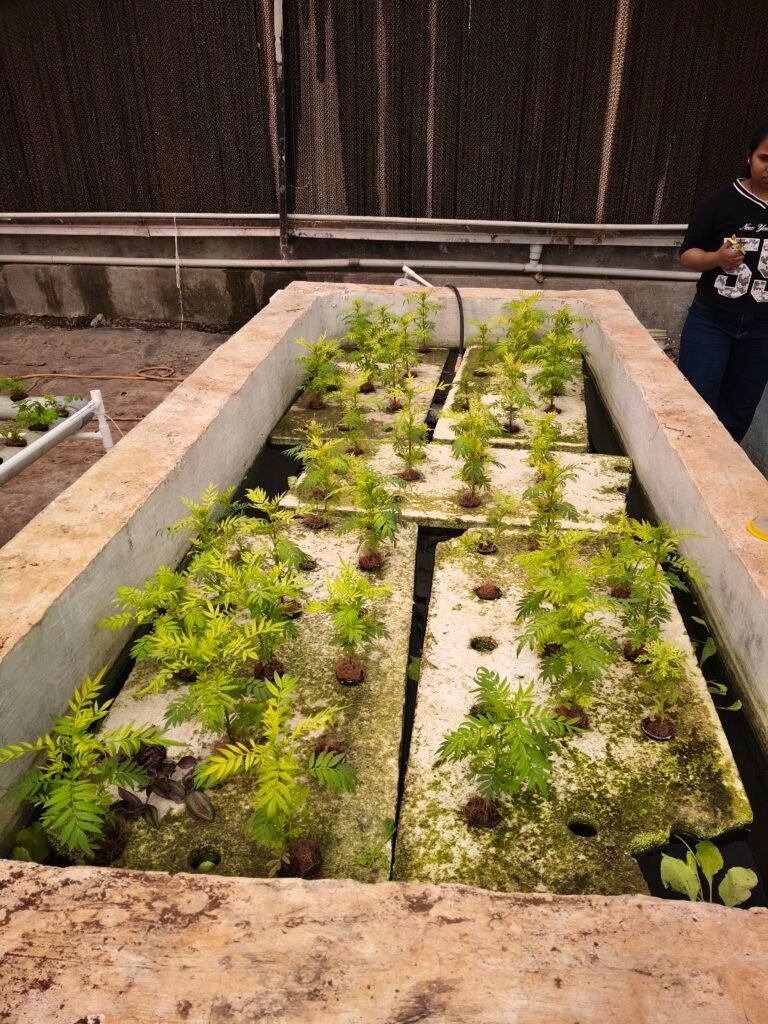
6 March 2026 (Week 4)
EC -1.6 m S/cm
pH – 5.8
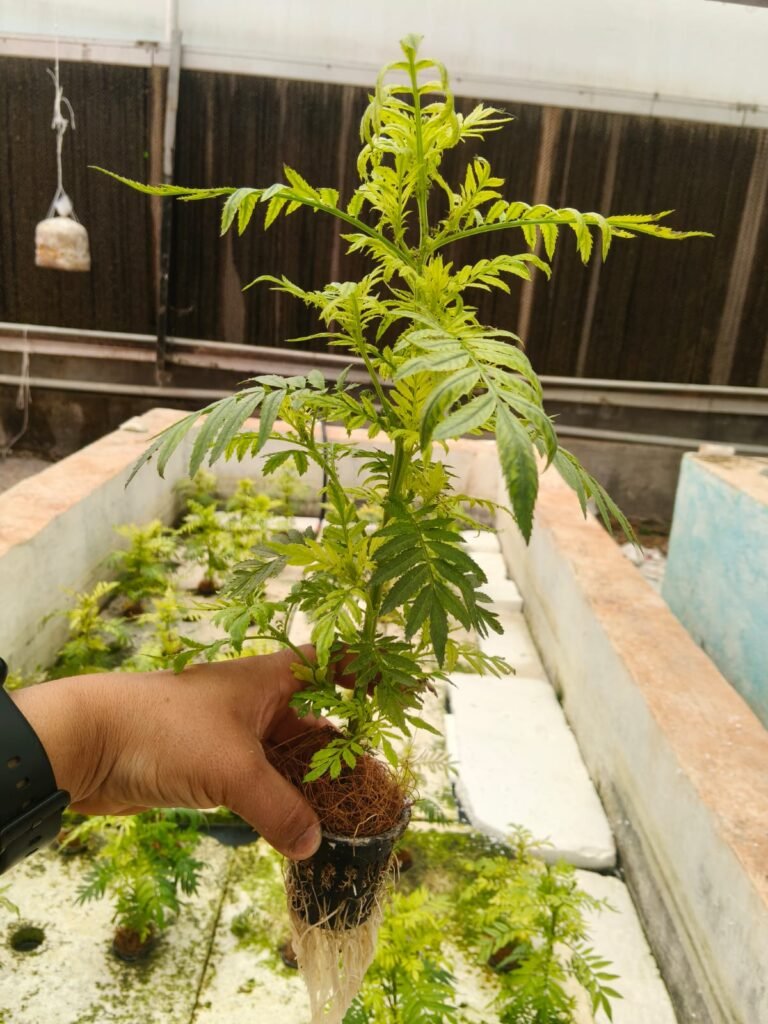
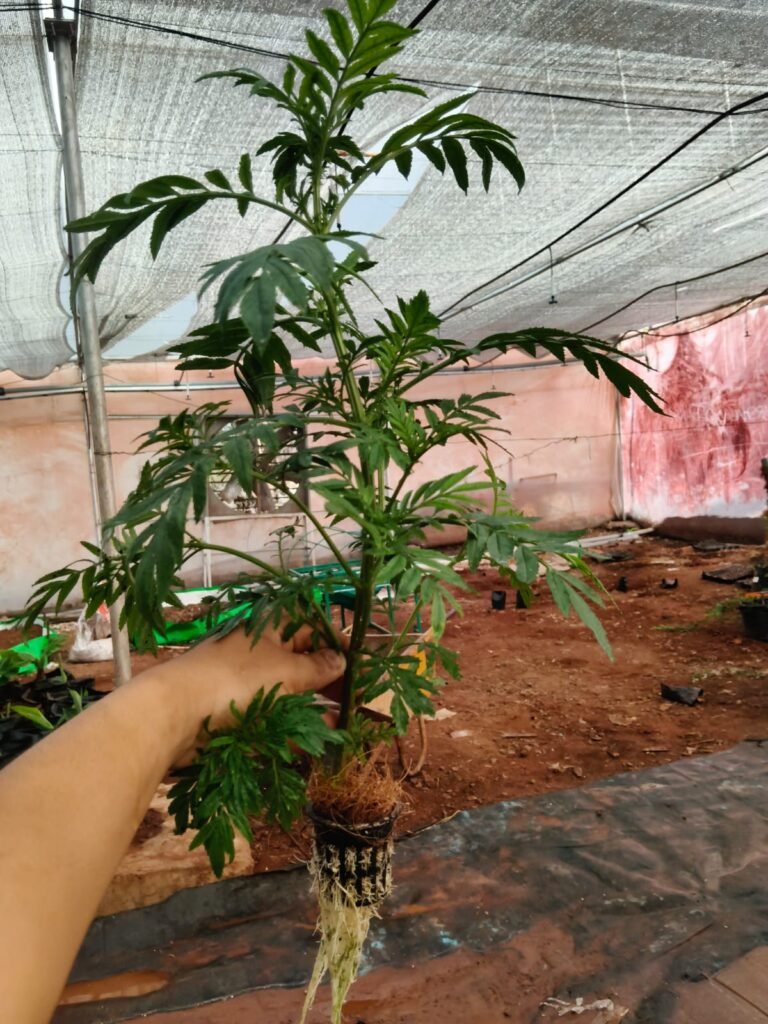
Comparative Observation
Marigold plants grown in the DWC hydroponic system showed clear differences in growth depending on micronutrient availability. Plants supplied with Fe and Mn exhibited dark green leaves, greater plant height, and well-developed root systems. In contrast, plants grown without these micronutrients showed yellowing of young leaves (chlorosis) and comparatively weaker growth.
Importance of Iron (Fe) and Manganese (Mn) in Hydroponics
In the Marigold DWC hydroponic experiment, iron (Fe) and manganese (Mn) play a very important role in plant growth and development. In hydroponic systems, plants do not grow in soil; therefore, all essential nutrients must be supplied through the nutrient solution. Because of this, providing micronutrients such as Iron and Manganese in proper amounts is very important for healthy plant growth.
1. Role of Iron (Fe) in Hydroponic( Iron is an essential micronutrient required for many physiological processes in plants.)
Main functions of Iron
- It supports plant metabolism and respiration.
- It helps in chlorophyll synthesis, which gives plants their green color.
- It plays a key role in the electron transport system during photosynthesis.
- It promotes healthy leaf growth.
Although iron is not a direct component of chlorophyll, it is necessary for its formation. Therefore, plants supplied with adequate iron maintain healthy green leave
Importance in Hydroponics
In hydroponic systems, iron is usually supplied in chelated forms such as Fe-EDTA or Fe-DTPA. This is because normal iron salts can precipitate in the nutrient solution, making iron unavailable for plant uptake.
Iron deficiency symptoms (If iron is not supplied in the nutrient solution:)
- Young leaves become yellow (chlorosis).
- Leaf veins remain green while the area between them turns yellow.
- The rate of photosynthesis decreases.
- Overall plant growth becomes slow and weak.
2. Role of Manganese (Mn) in Hydroponics
Main functions of Manganese
Manganese is another essential micronutrient required for proper plant growth.
- It plays an important role in Photosystem II during photosynthesis.
- It participates in the water-splitting reaction, which releases oxygen.
- It activates several plant enzymes involved in metabolism.
- It improves nutrient utilization and plant metabolism.
Manganese deficiency symptoms
When manganese is lacking in the nutrient solution:
- Leaves develop yellow spots or patches.
- Interveinal chlorosis may appear.
- Plant growth becomes slow and weak.
- Root development is reduced.
3. Role of Fe and Mn in Photosynthesis
Photosynthesis is the process by which plants convert light energy into food.
- Iron (Fe) helps in chlorophyll formation and electron transport.
- Manganese (Mn) helps in splitting water molecules and releasing oxygen during the photosynthetic process.
If these nutrients are absent, plants cannot produce enough energy, which leads to reduced growth and poor development.
Conclusion
Iron and manganese are essential micronutrients in hydroponic nutrient solutions. Iron plays a key role in chlorophyll synthesis and electron transport, while manganese is involved in the water-splitting reaction of photosynthesis and enzyme activation. The absence of these nutrients in hydroponic systems can lead to chlorosis, reduced plant growth, and poor root development.
15 Dec 2026 ( Week 5 )
The flowering stage nutrient formulation contains reduced nitrogen and increased phosphorus and potassium compared to the vegetative stage to promote flower initiation, bud development, and improved flower quality in marigold grown under DWC hydroponics.
PH – 6.3
EC – 2.0 m S/cm
22 March 2026 (Week 6)
pH – 6
EC- 2.1 m S/cm
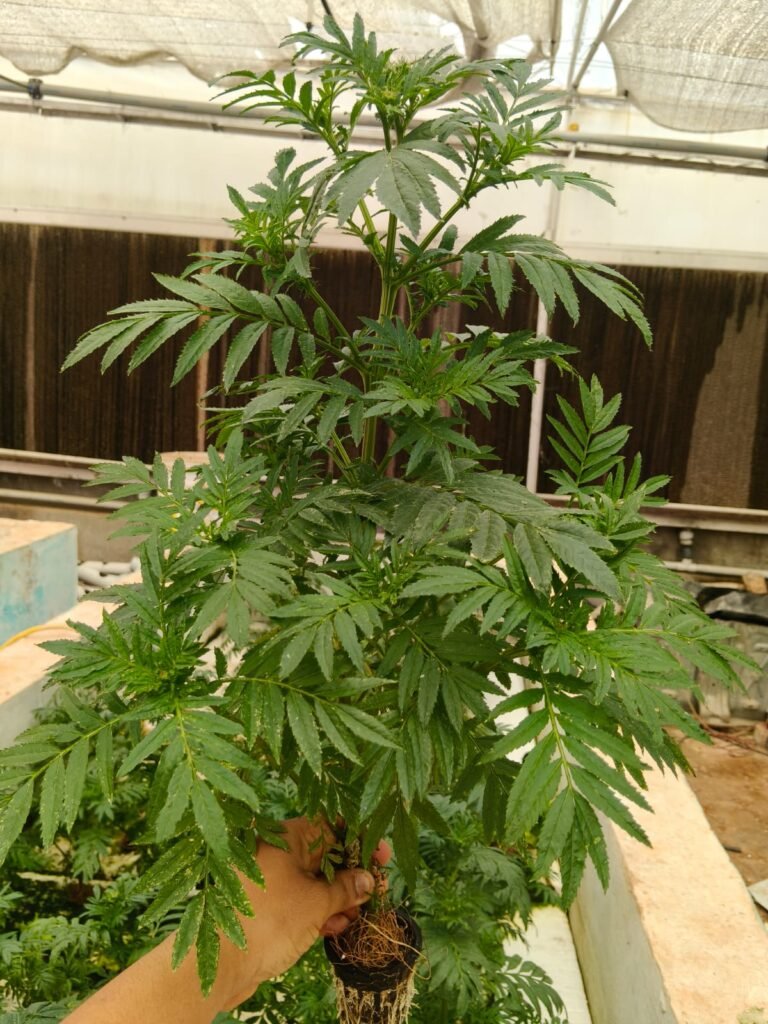
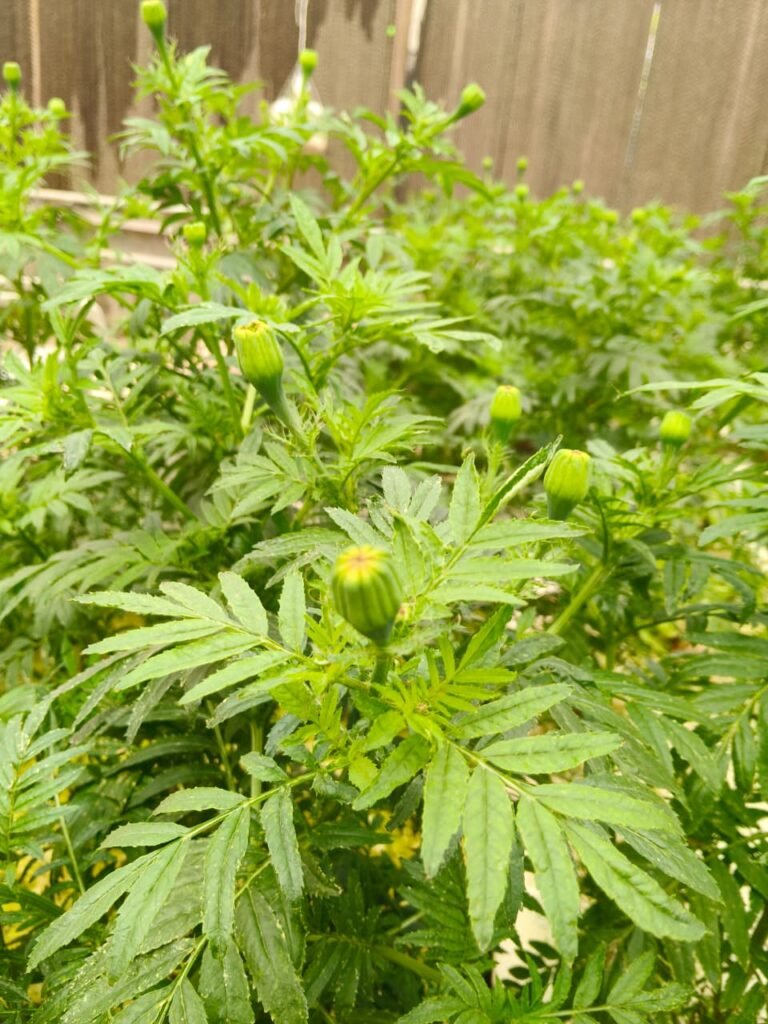
Healthy growth observed with multiple bud formation indicating initiation of flowering stage. No major pest or disease symptoms found.
30 March 2026 ( Week 7 )
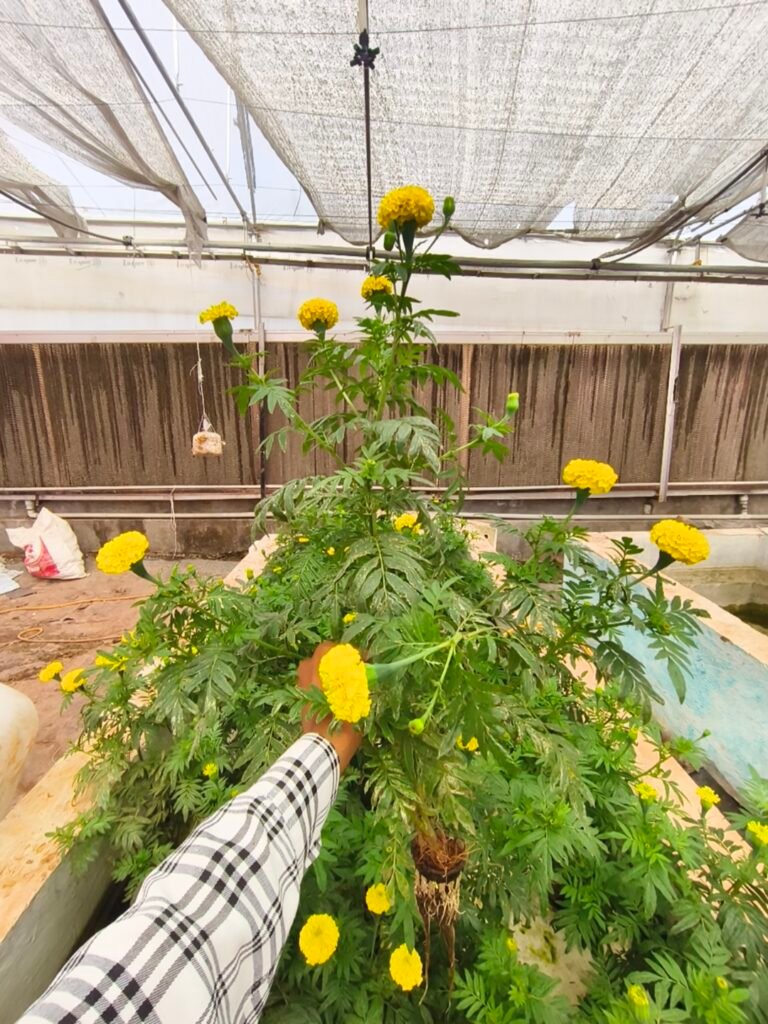
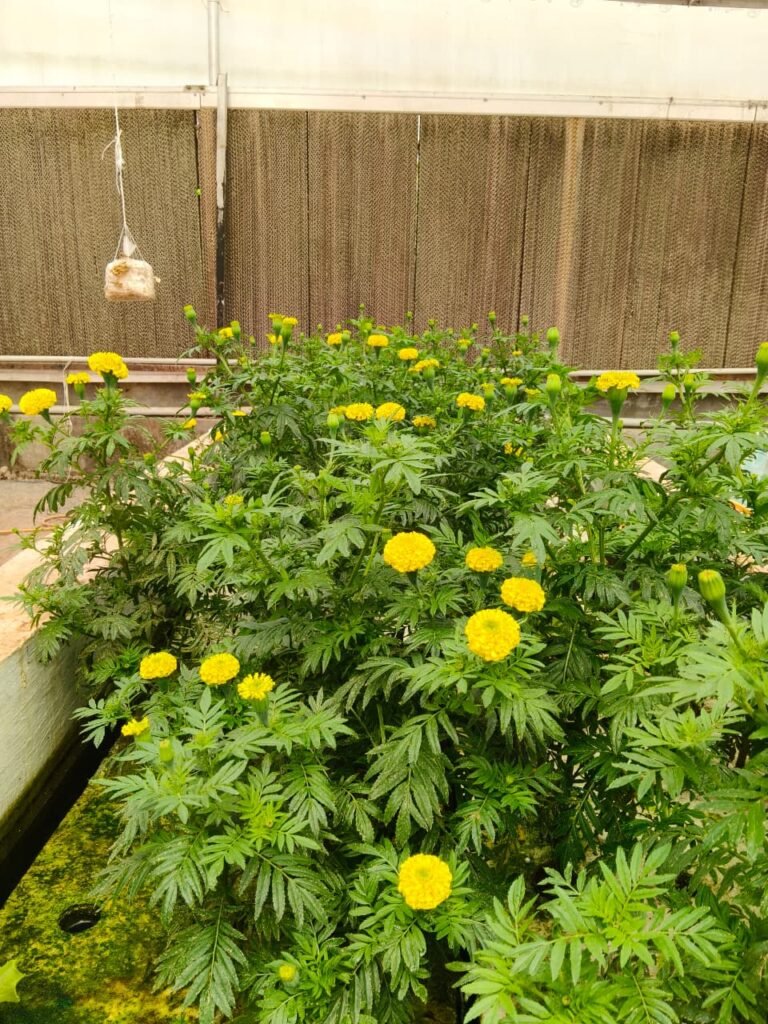
At Week 7, the marigold plants in the DWC hydroponic system showed excellent growth and active flowering. Multiple flowers were fully developed, and the overall plant health remained strong and uniform.
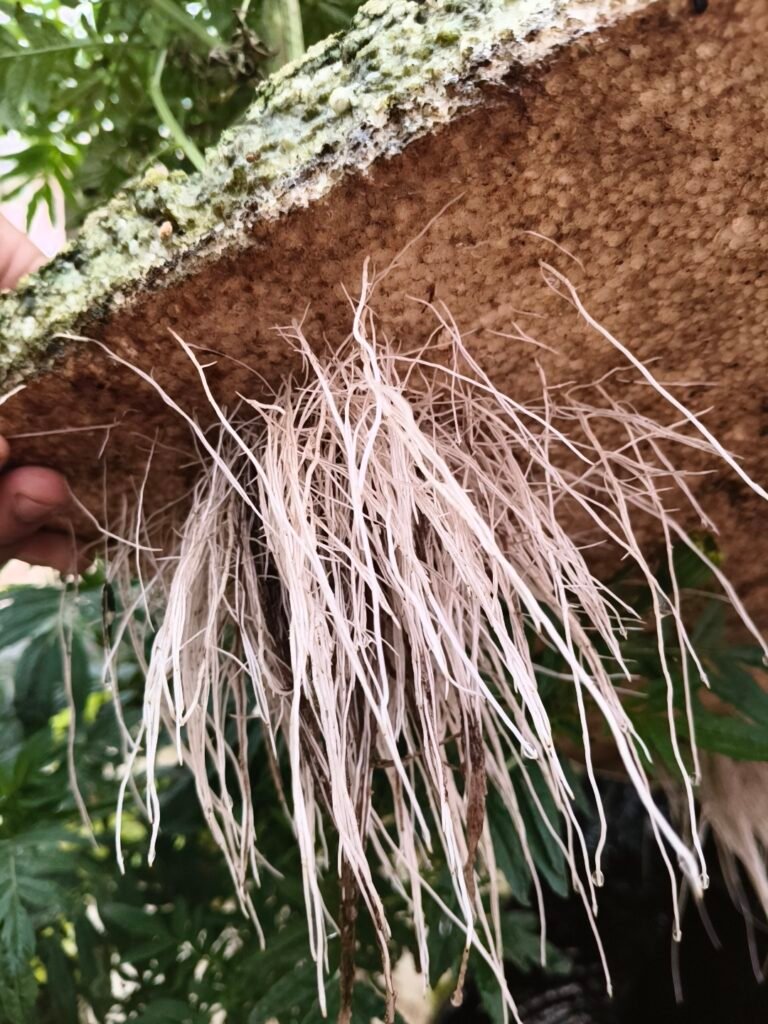
The nutrient dosing for the flowering stage was maintained with higher phosphorus (P) and potassium (K) levels to support flower development and quality. The plants exhibited bright flower color, strong stems, and well-developed root systems.
No significant pest or disease incidence was observed during this stage. Regular monitoring of EC and pH helped in maintaining a stable nutrient environment for optimal plant growth.
EC – 2.0 – 2.2 mS/cm
pH – 6.0 – 6.3
Conclusion :
The marigold plants were successfully grown in the DWC hydroponic system, showing excellent vegetative growth and successful flowering. The plants entered the flowering stage smoothly and produced healthy, well-developed flowers with good color and quality.
The comparison between the two tanks proved that iron (Fe) and manganese (Mn) are essential for plant health and proper development. Plants without these micronutrients showed deficiency symptoms and poor growth.
Proper management of EC (1.2–2.2 mS/cm) and pH (5.8–6.3) played a crucial role in achieving optimal growth and flowering performance. Overall, the trial demonstrated that balanced nutrient and micronutrient management is critical for the successful hydroponic cultivation of marigold.
Marigold DWC Hydroponic Report Link :https://docs.google.com/document/d/1W2yuGydfn4E3AhCR7xsRVvbpeM3rfFGy/edit?usp=sharing&ouid=113141058233737100131&rtpof=true&sd=true