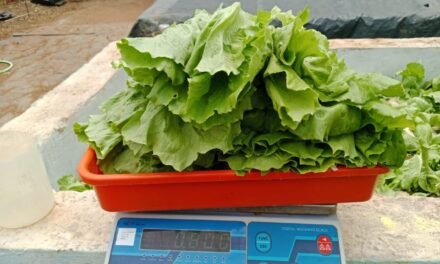
Heat pump dryer
Week: 15–21 September 2026
Initial Work
This week, I started working on the hot air dryer project with Ayush
We developed a closed-loop hot-water circulation system, where hot water
from the tank is circulated through the radiator using a pump and then
returned to the same tank.
Design Discussion
I discussed the dryer design with Neeraj Dada. Before finalizing the
complete dryer, we decided to test the heating system using the existing
oven. This will help us understand the performance of the radiator,
suitable fan size, achievable temperature and drying performance.
Proposed Dryer Design
The proposed dryer will have a chamber height of approximately 1.5 m,
with five trays of approximately 1 m² each. One radiator/heat exchanger
will be provided for each tray. The chamber will have a filtered air
inlet and a blower-assisted outlet for forced hot-air circulation.
Heat Pump Dryer Study
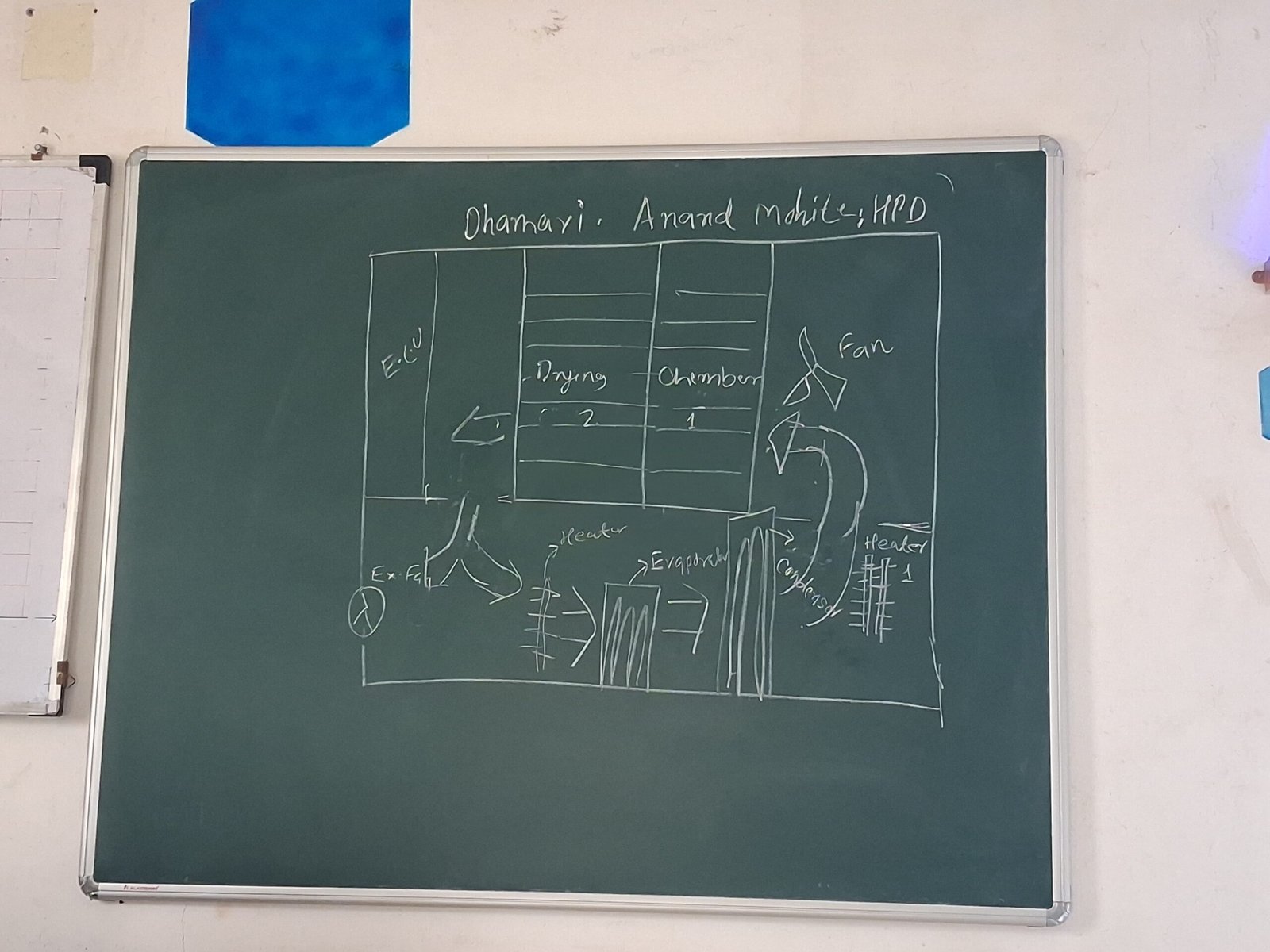
Along with Dixit Sir and Neeraj Dada, I visited Dhamari to study an
existing heat pump dryer. We observed its heating coil, evaporator,
condenser and fan arrangement and discussed the airflow inside the
drying chamber. The observations will help us while developing a new
heat pump dryer project at Vigyan Ashram.
Next Step
The final dryer design will be finalized after the oven experiment.
Neeraj Dada will prepare the design and I will work on its fabrication.
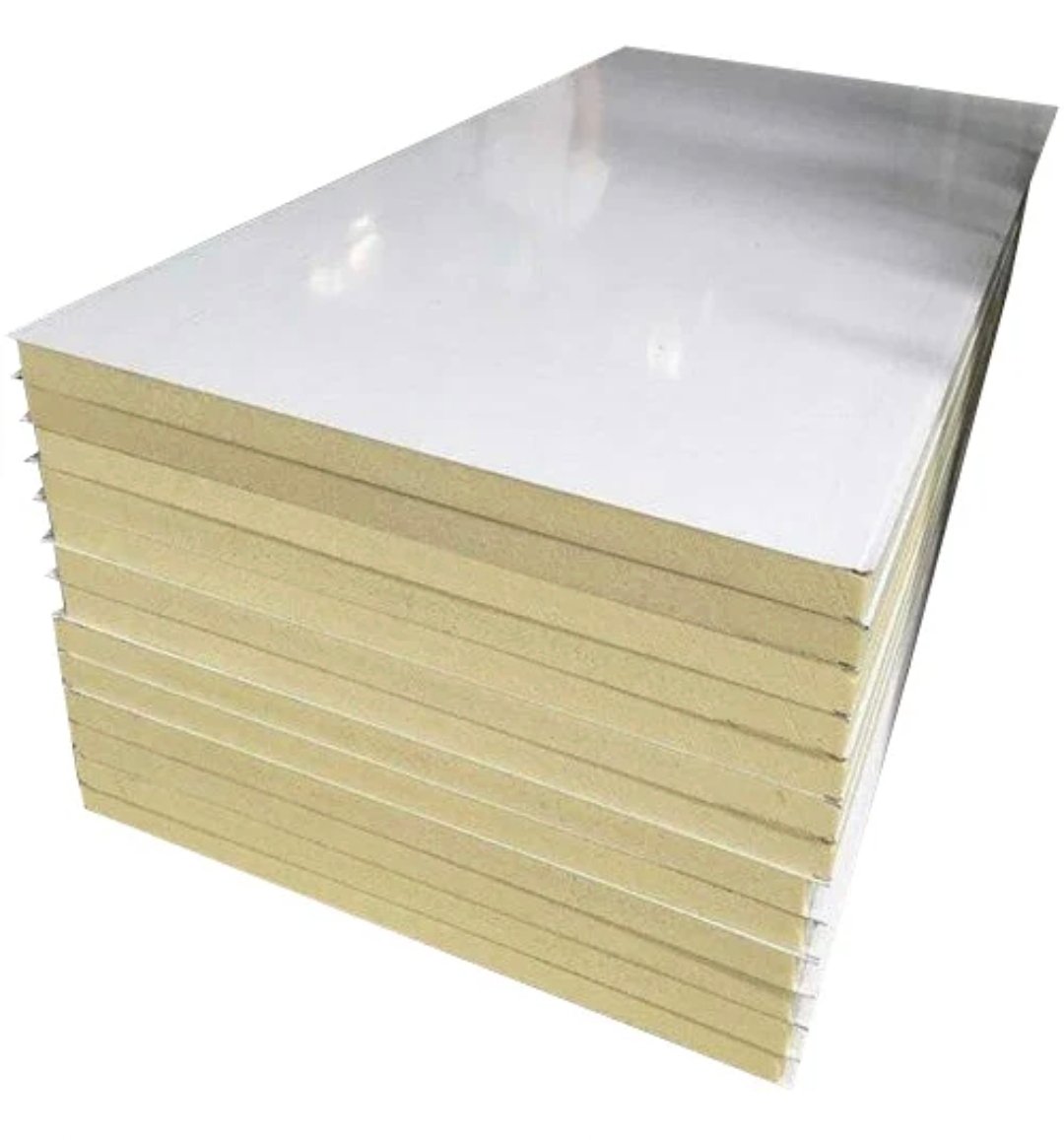
PUF panel insulation is also being considered for the dryer chamber.
Understanding Heat Pump Dryer Technology: A Field Study & Technical Exploration
At Vigyan Ashram, continuous hands-on learning and practical experimentation drive our technological developments. As part of our ongoing work in agricultural processing and post-harvest thermal technologies, we recently conducted an in-depth study on Heat Pump Dryer Systems to evaluate their operational efficiency, dehumidification mechanisms, and potential for energy-efficient drying.
1. Guidance and Discussion with Dixit Sir
Our study began with an insightful discussion with Dixit Sir. During this session, we reviewed the fundamental thermodynamics of refrigeration and heat pump cycles. The discussion focused on:
- Understanding the refrigeration cycle applied specifically for moisture removal instead of pure cooling.
- Analyzing heat balance, sensible heat vs. latent heat transfer during the drying process.
- Identifying key thermal monitoring points (inlet/outlet temperatures and humidity levels) required for testing performance.
2. How a Heat Pump Dryer Works: Working Principle & Components
Unlike conventional hot-air dryers that exhaust moist air directly into the atmosphere, a Heat Pump Dryer operates on a closed-loop refrigeration cycle. It reuses latent heat from condensation, making it highly energy-efficient and suitable for heat-sensitive agricultural products.
Key System Components & Functionality:
- Capillary Tube (Expansion Device): Reduces the pressure and temperature of the liquid refrigerant before it enters the evaporator.
- Evaporator (Cooling Coil): Warm, humid air from the drying chamber passes over the cold evaporator coils. Moisture condenses out of the air as condensate water, dehumidifying the air stream.
- Condenser (Heat Rejection Coil): The cold, dry air then passes over the condenser, where it absorbs heat rejected by the refrigerant. The re-heated dry air is then recirculated back into the drying chamber.
3. Field Visit to Dhamari: Studying the Commercial Unit
To study a real-world commercial setup, we visited Dhamari to inspect a commercial Heat Pump Dryer unit manufactured by Advance Agro ripe Limited.
During the visit, we analyzed the machine’s physical arrangement, airflow design, and operating parameters under active conditions. Key parameters studied included:
- Inlet & Outlet Air Temperatures: Measuring thermal efficiency across the drying chamber.
- Relative Humidity (RH %): Tracking moisture extraction rate at the evaporator outlet.
- Air Flow Rate & Cycle Timing: Observing air distribution across the drying trays.
4. What’s Next?
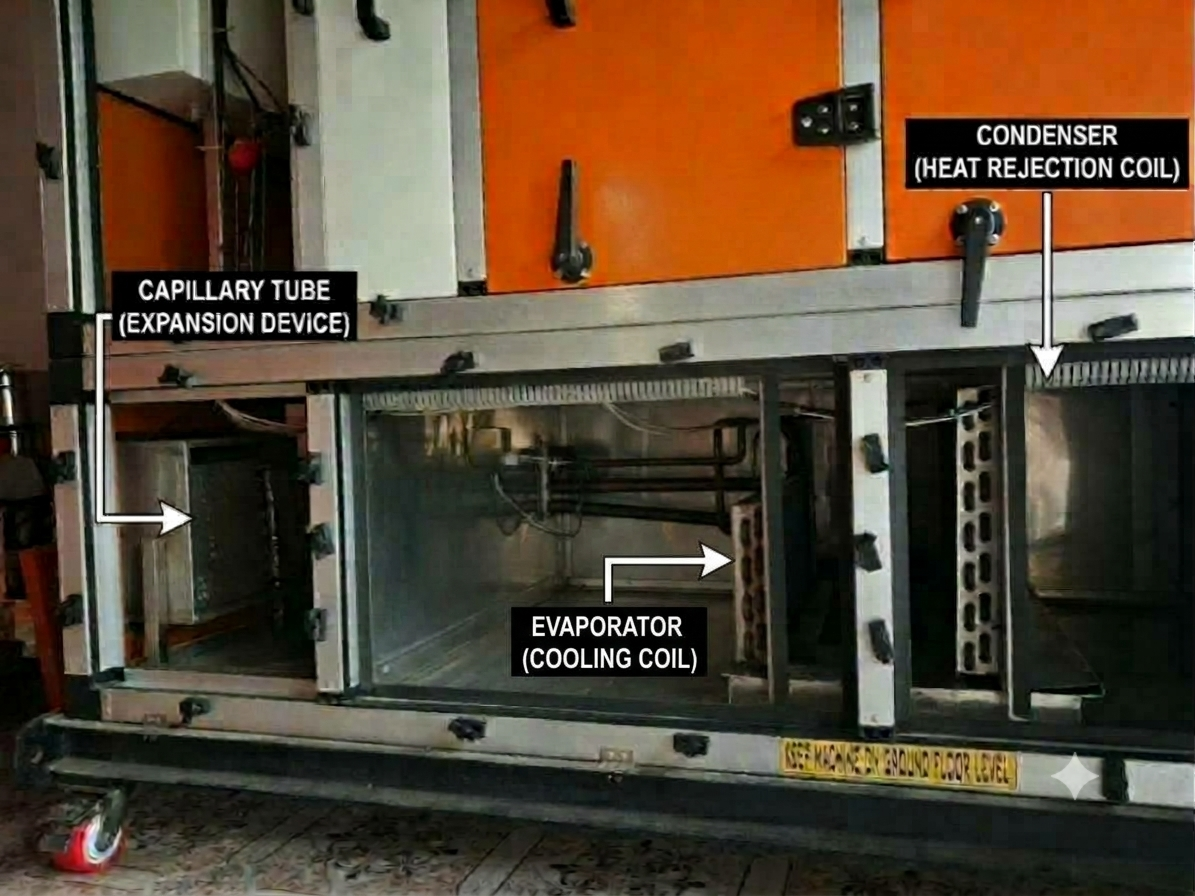
Figure 1: Marked internal setup showing Capillary Tube (Expansion Device), Evaporator (Cooling Coil), and Condenser (Heat Rejection Coil).
background: #f8fafc;
border: 1px solid #e2e8f0;
border-left: 5px solid #0284c7;
padding: 20px;
margin: 20px 0;
border-radius: 8px;
font-family: Arial, sans-serif;
box-shadow: 0 2px 4px rgba(0,0,0,0.05);
}
.report-title {
font-size: 18px;
font-weight: bold;
color: #0f172a;
margin-bottom: 8px;
}
.report-desc {
font-size: 14px;
color: #475569;
margin-bottom: 15px;
}
.report-btn {
display: inline-block;
background-color: #0284c7;
color: #ffffff !important;
padding: 10px 20px;
font-size: 14px;
font-weight: bold;
text-decoration: none;
border-radius: 5px;
transition: background-color 0.2s ease;
}
.report-btn:hover {
background-color: #0369a1;
}
.report-link-text {
display: block;
margin-top: 10px;
font-size: 12px;
color: #64748b;
word-break: break-all;
}
.report-link-text a {
color: #0284c7;
text-decoration: underline;
}