04/08/2026-06/08/2026
About My Project:
Right now, I’m working on a project to make a high-protein bar that is healthy, tasty, and made from natural Desi ingredients. Most protein bars in the market are expensive and have many unhealthy ingredients like artificial sugar, whey protein, emulsifiers, etc. These can be harmful if eaten regularly.
That’s why I decided to create a better, homemade option that gives good protein and energy using local, simple, and natural materials that are easily available around us.
WHY CHOOSE SPIRULINA :-
Basically, algae are a type of organism that are an integral part of our lives, but we often do not realize their importance.
First of all, when we talk about the Earth, we generally say that approximately 70% of the Earth is covered by water and 30% is land. If we consider the amount of vegetation present on that 30% of land, it is actually very small compared to the entire Earth. So, where does most of the oxygen on Earth come from?
A major source of oxygen is the algae present in oceans and other water bodies. These algae perform photosynthesis and release oxygen. Therefore, algae play a very important role in maintaining the Earth’s oxygen supply.
In fact, a significant portion of life on Earth depends on algae. The entire marine food chain begins with algae, as they serve as primary producers and provide food and energy to other marine organisms.
There are more than 3,500 species of algae, but only a limited number of them are suitable for human consumption. Spirulina is one of these edible algae.
Spirulina is highly nutritious. Approximately 1 gram of Spirulina provides nutritional components comparable to:
- Vitamin A: approximately equivalent to the amount found in 25 grams of carrot
- Iron: approximately equivalent to the amount found in 60 grams of spinach
- Essential amino acids: approximately equivalent to those found in one egg
- Magnesium: approximately equivalent to the amount found in one banana
- Protein :- 57% Protein content in Spirulina powder
Therefore, Spirulina is considered a highly nutritious food and has significant potential as a source of protein, vitamins, minerals, and essential nutrients.
What I Want to Achieve:
1.A 50 gm protein bar with 16–20 gm protein.
2.No chemicals, preservatives, or added sugar.
3.Easy to digest and good for all age groups—kids, youth, and old people.
4.Bar should be affordable and stay fresh for at least 1.5 to 2 months
Why Avoid Market Protein Bars:
I studied many famous brands like RiteBite, MuscleBlaze, YogaBar, and found they use:
Artificial sweeteners like Maltitol or sorbitol – cause gas and bloating.
Whey protein concentrate – some people feel heaviness and indigestion.
Emulsifiers and preservatives – not good for daily use.
Added sugars or corn syrup – bad for diabetics and long-term health.
Why My Bar is Different:
A. Completely natural and homemade.
B. All Desi ingredients – no imported or synthetic items.
C. Easy to digest – no whey.
D. No sugar – only Jaggery and maybe honey.
E. Budget-friendly – suitable for students, farmers, workers, and gym goers.
Why This Project is Important:
Today, people want healthy food, but most options are expensive or fake healthy. I want to make a real, nutritious bar that anyone can afford and trust. Our Indian food culture already has all the good ingredients—we just need to present them in a new form.
This project is helping me learn about food processing, nutrition, costing, and product development. I’m happy that I get to work on something which can be useful for society and has business potential to.
Ingredients I have Chosen:
| Ingredients | Reason behind using it |
| Treated Soya Flour | Easy to digest, full of protein |
| Chana (Besan) Flour | Desi protein, fiber, iron-rich |
| Yogurt Powder | Gives good taste and is a natural protein source |
| Roasted Peanuts | Gives crunch, healthy fats, and protein |
| Pumpkin Seeds | High in protein and good fats |
| Chia Seeds | Helps digestion, gives energy, fiber-rich |
| Watermelon Seeds | Tasty, adds minerals and protein |
| Almonds | Good protein source, Rich in calories |
| Jaggery | Natural sweetener, full of iron |
| Honey (optional) | Good binder, gives shine and taste |
Market Comparison (India – 2025-26 data)
| Brand | Bar size | Protein | MRP | Protein % |
| Max protein bar | 75 g | 20g | 90 rs | 26.6% |
| Yogabar | 60g | 10g | 50-55 rs | 16.6% |
| Muscleblaze bar | 70g | 22g | 99 rs | 31.4% |
| Ritebite bar | 50g | 10g | 50-60 rs | 20% |
| Our bar | 50g | Expected -16 g-20 g | Expected 50-60 rs | 32% |
07/08/2026-08/08/2026
Treated Soybean Flour :-
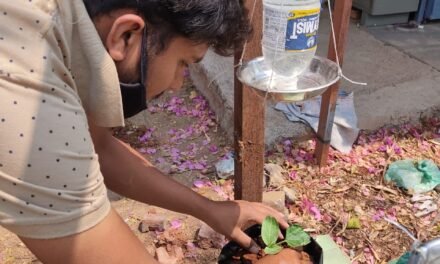
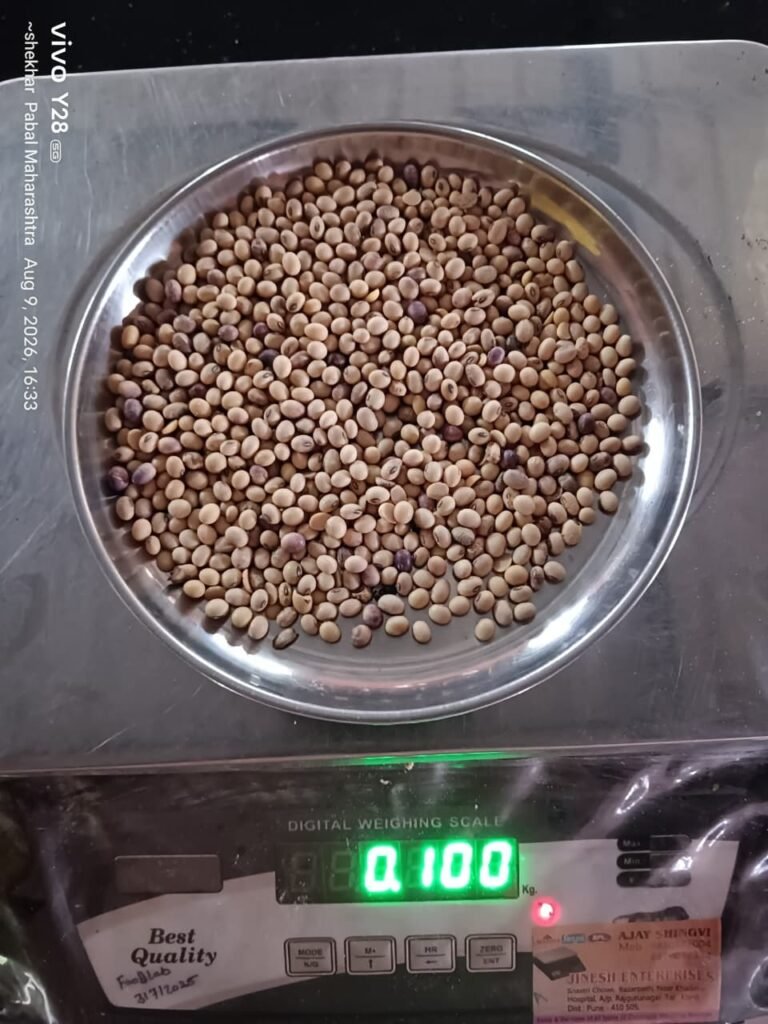
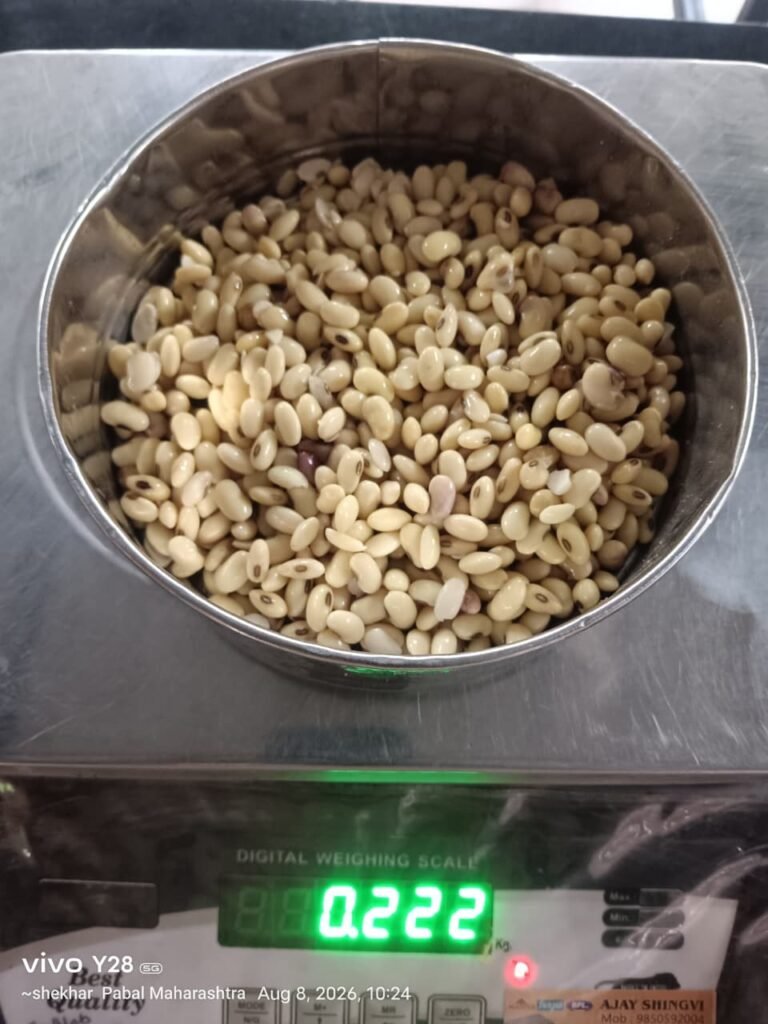
100 g of small seeded, thick coated variety Soybean was washed three times with clean water and then soaked for 8 hours. After soaking, the weight of the soybeans increased to 222 g. The soaked soybeans were then tied in a clean cloth and kept for sprouting.
Fermented Roasted Chickpea (Bhuna Chana)–Yogurt Powder :-
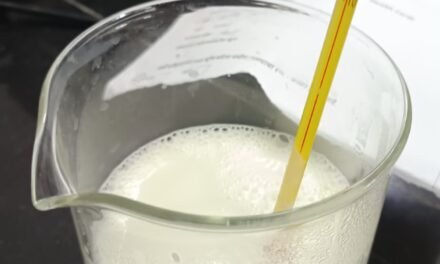
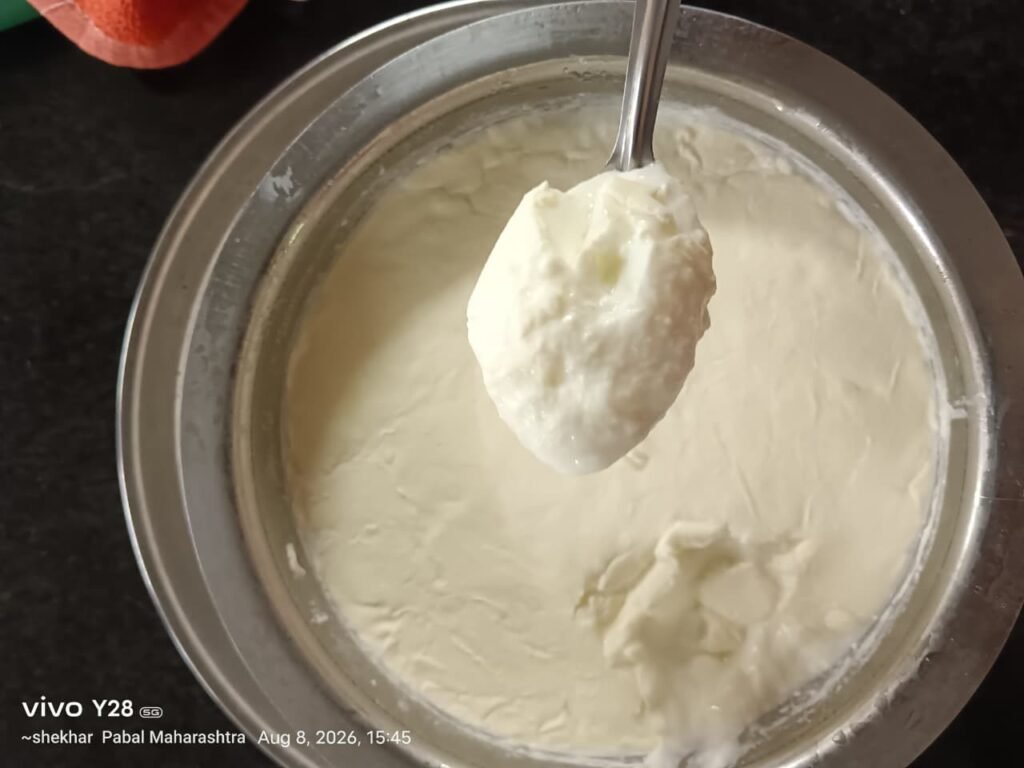
First, 1 litre of milk was heated to 45°C. Then, 10 g of citric acid was added to the milk to curdle it. The curdled milk was transferred into a vessel and allowed to set for 8 hours.
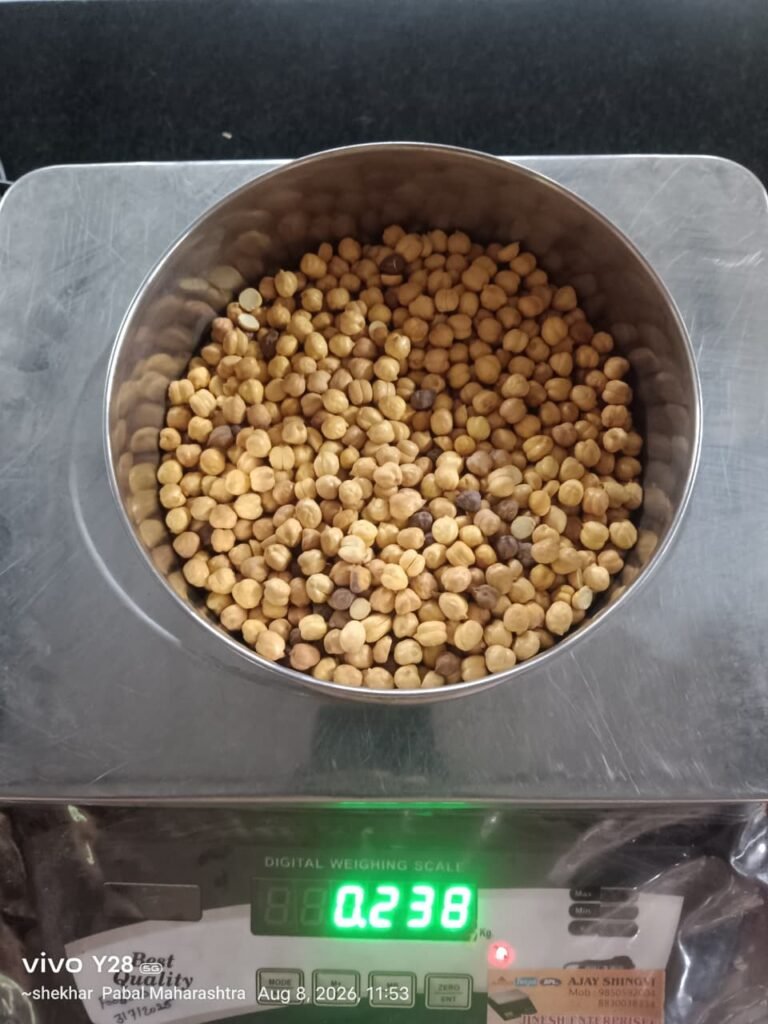
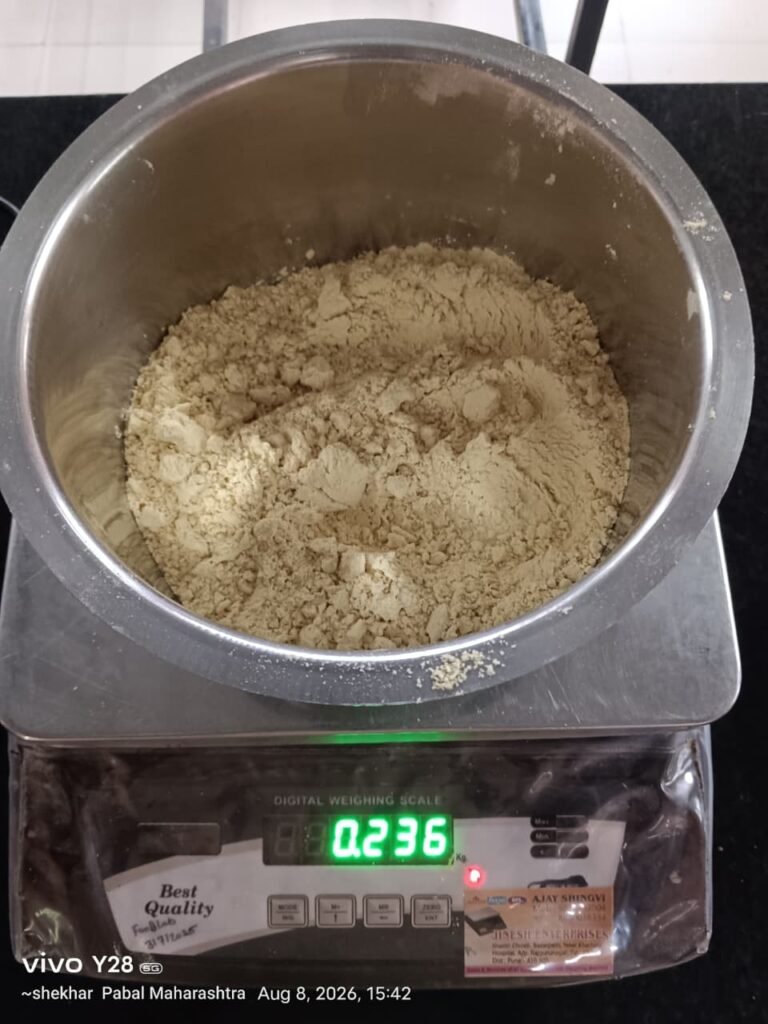
After that, 250 g of roasted chickpeas (Bhuna Chana) were taken, and their outer skins were removed. After de-skinning, the weight of the roasted chickpeas was reduced to 230 g. The de-skinned chickpeas were then ground into a fine paste using a mixer.
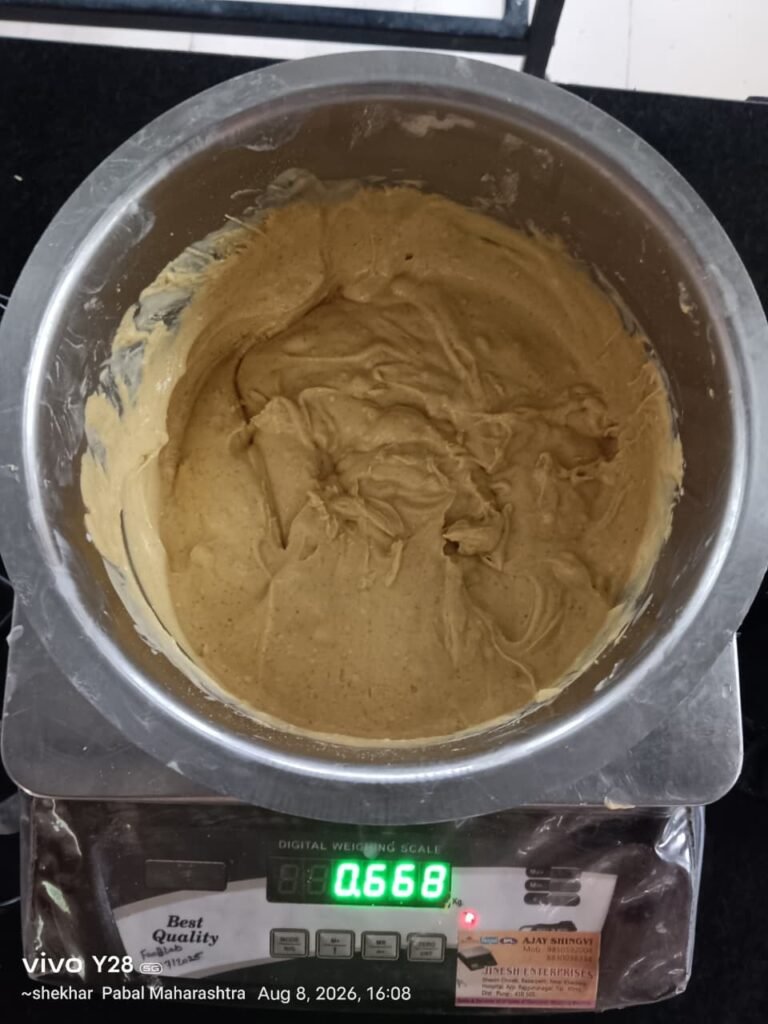
To this paste, 345 g of yogurt was added in a 1:1.5 ratio and mixed thoroughly to obtain a uniform batter. The total weight of the prepared batter was 668 g.
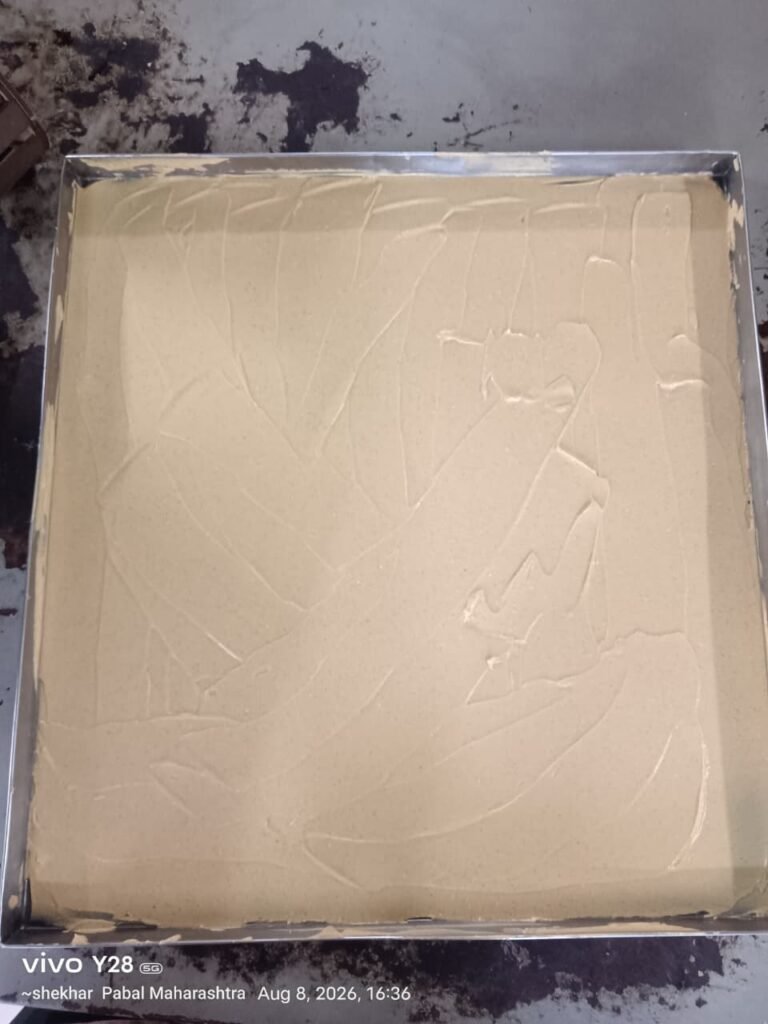
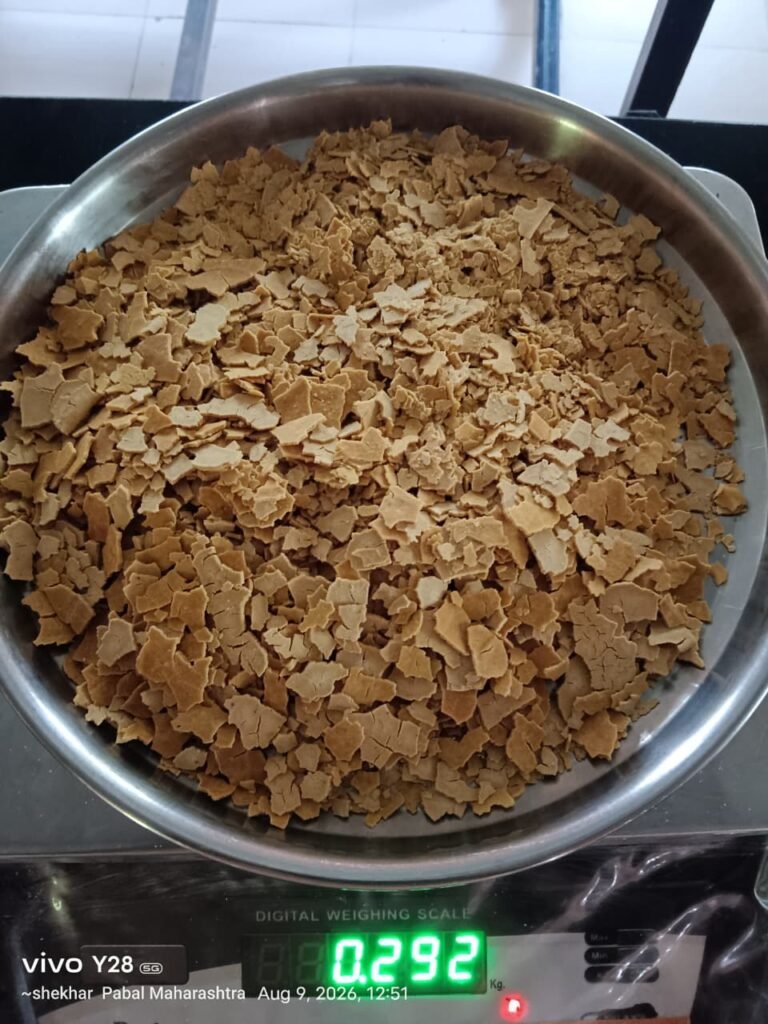
The batter was then dried in a dryer at 55°C for 6 hours. After drying, the dried material was ground using a mixer to obtain a fine powder.
The final weight of the Fermented Roasted Chickpea (Bhuna Chana)–Yoghurt Powder was 292 g.
Thus, from 668 g of batter, 292 g of fermented roasted chickpea–yogurt powder was obtained.
09/08/2026-11/08/2026
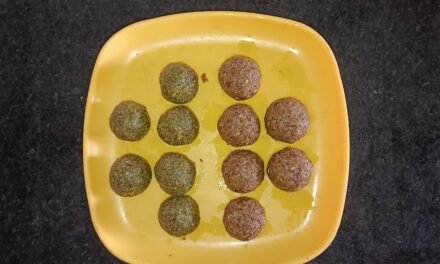
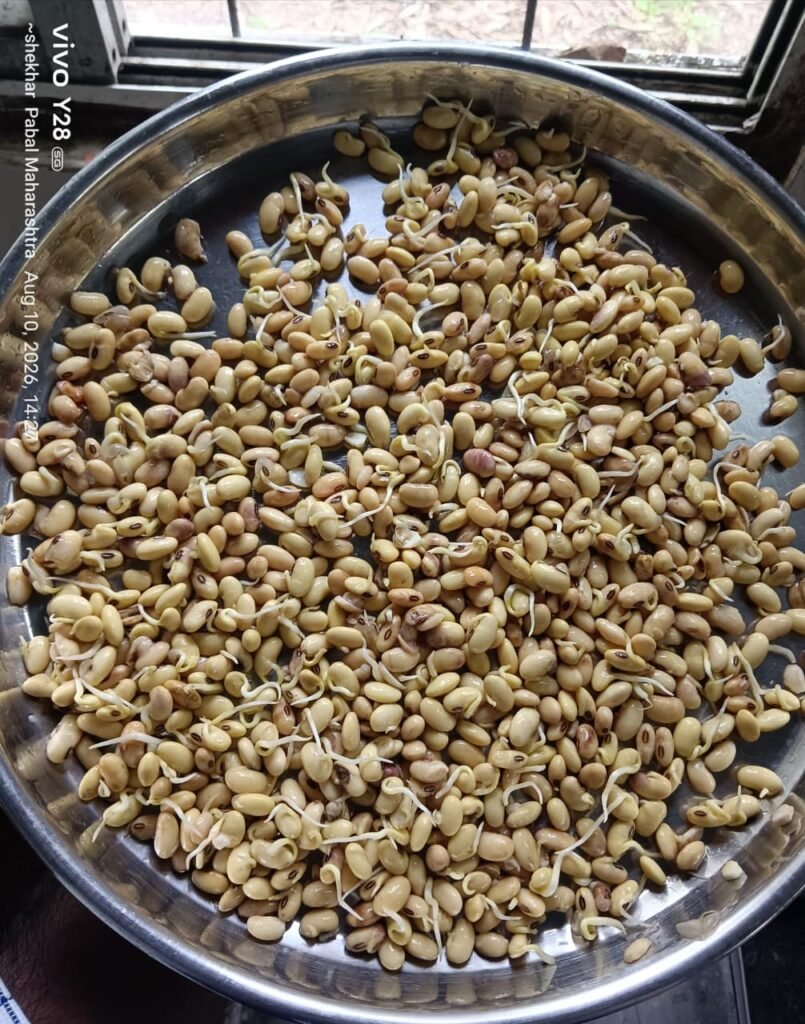
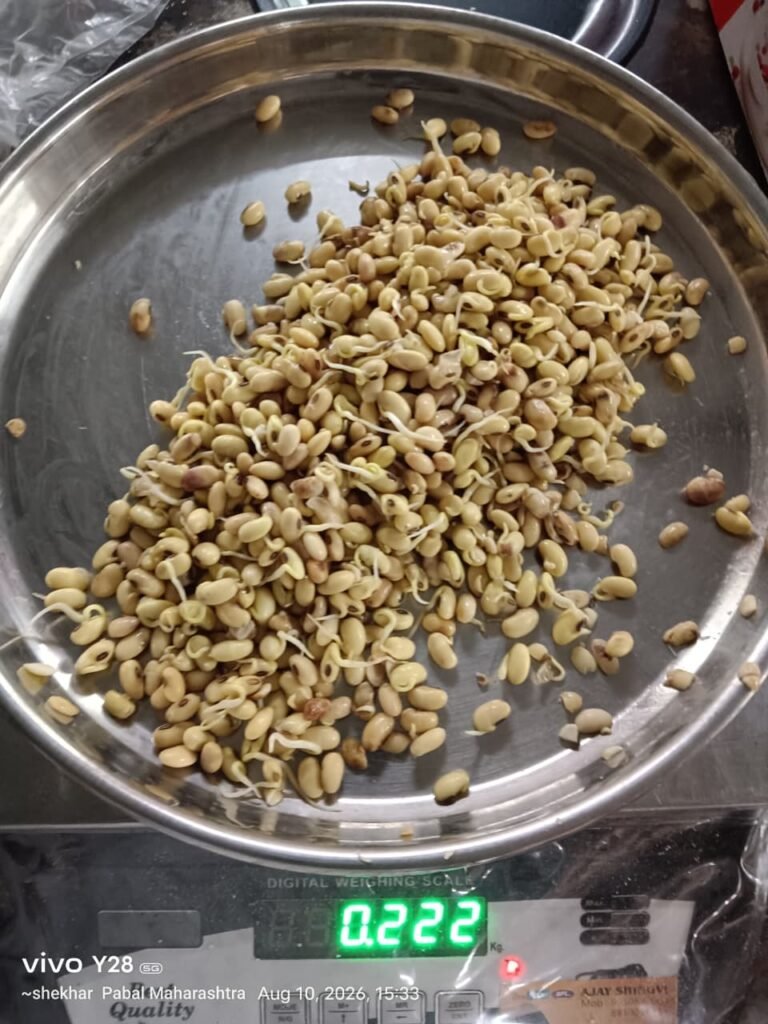
100 g of soybeans were kept for 2 days for sprouting to ensure proper germination. After sprouting, the weight of the soybeans increased to 222 g. The sprouted soybeans were then ground into a paste using a mixer.
100 g of yoghurt was added to the ground soybean paste for fermentation. total mixture is 342 gm .
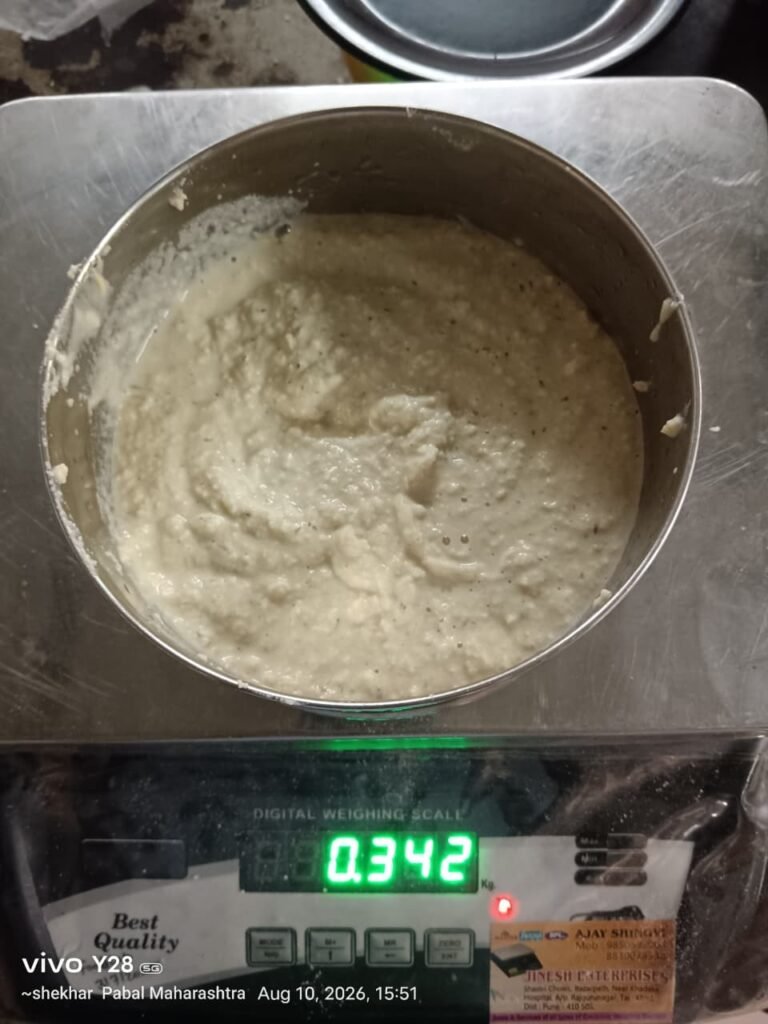
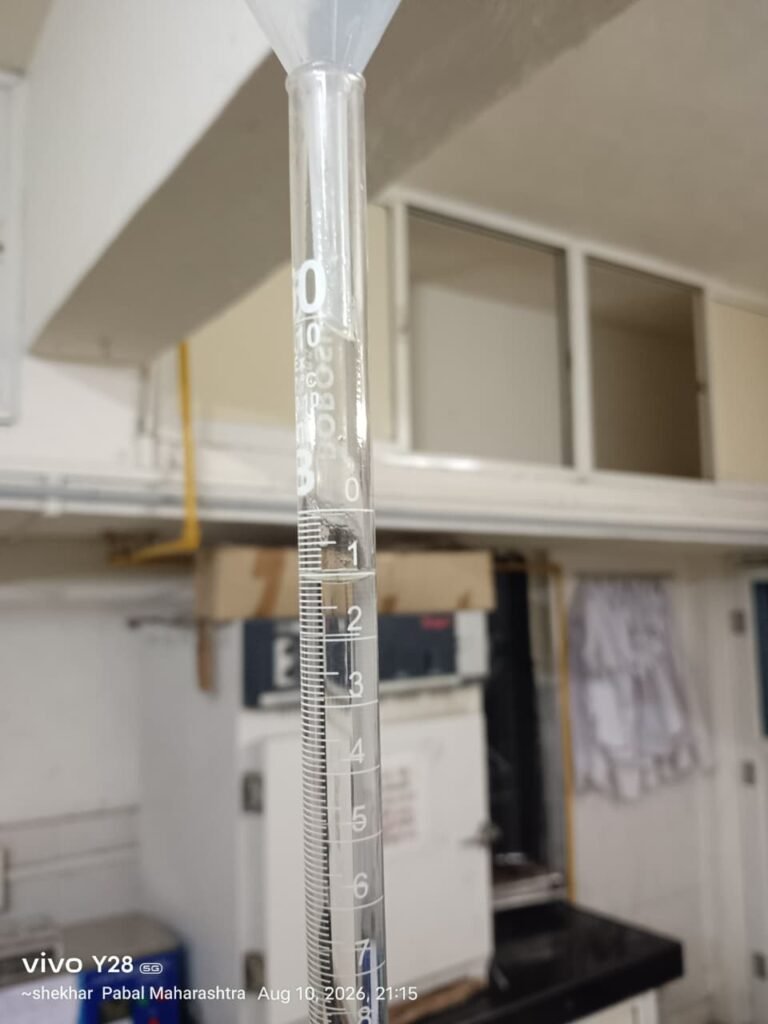
The mixture was kept for 5 hours for fermentation. After fermentation, the titratable acidity was measured and found to be 0.07%. To reduce the sour taste produced during fermentation, (0.2%)- NaHCO₃ (baking soda) was added. 3 g of baking soda was used for the mixture.
The mixture was then cooked on a medium flame for 10 minutes to stop the fermentation process.
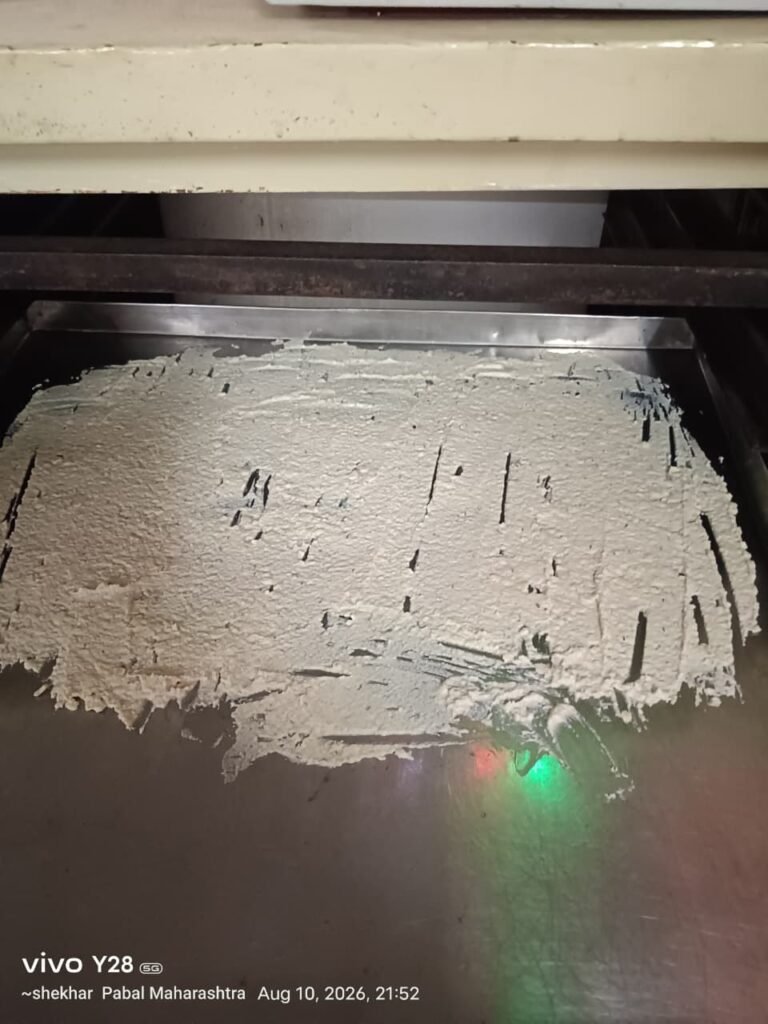
After cooking, the mixture was spread evenly on a tray dryer and dried for 55°C for 6 hours. Finally, the dried material was ground into a powder.
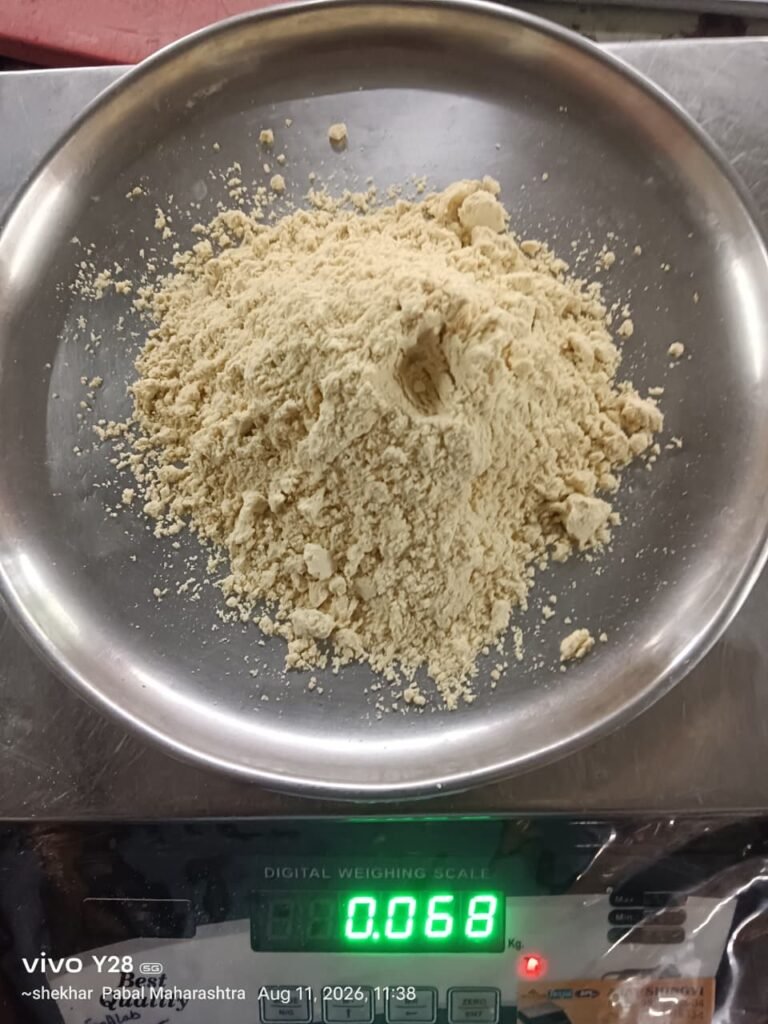
The final yield of the fermented sprouted soybean powder was 68 g.
While placing the batter on the dryer tray, butter paper was not used. As a result, the entire batter stuck firmly to the tray, making it difficult to remove. Some of the material remained stuck to the tray, which led to product loss.
Therefore, only 68 g of treated soybean powder was obtained. If butter paper had been used on the tray, the product loss could have been reduced, and a higher yield of treated soybean powder might have been obtained
12/08/2026
Spirulina Protein Bar – Trial Formulation and Process
Ingredients :-
Treated soy flour – 65 g
Roasted Bengal gram (Bhuna Chana) powder – 50 g
Roasted peanuts – 38 g
Pumpkin seeds – 25 g
Watermelon seeds – 25 g
Jaggery – 30 g
Honey – 10 g
Almonds – 25 g
Spirulina powder – 10 g
Procedure :-
The treated soy flour and roasted Bengal gram powder were already prepared. Therefore, trials were conducted for the preparation of the Spirulina Protein Bar, mainly focusing on achieving proper binding and setting of the bar.
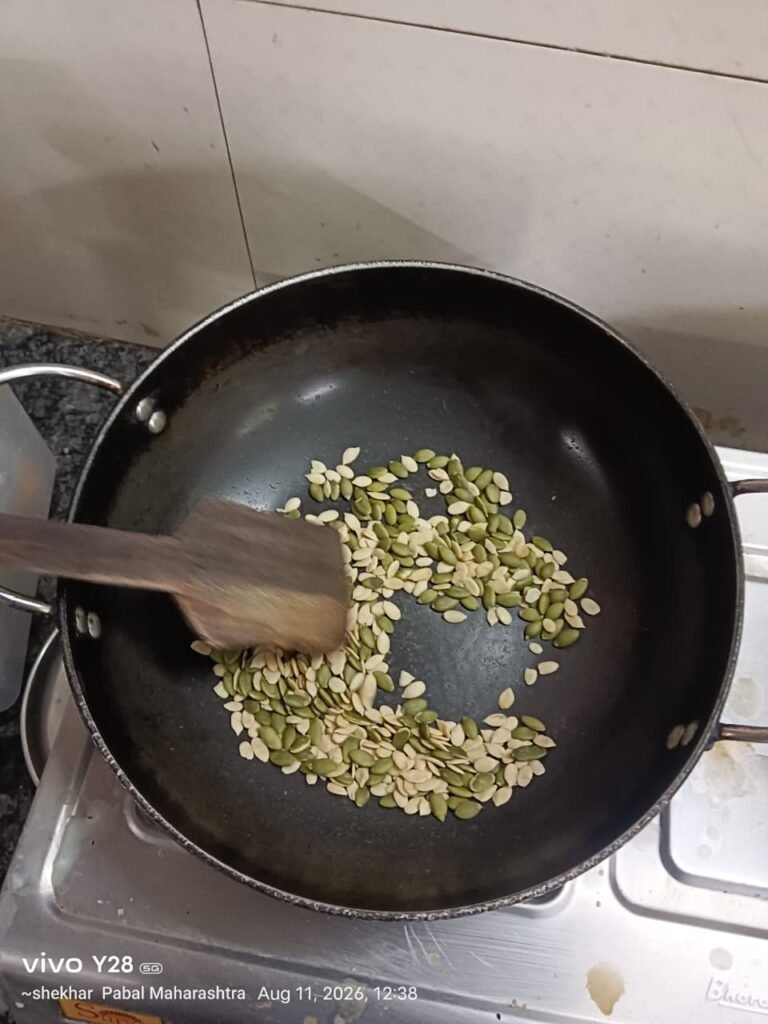
First, peanuts, pumpkin seeds, and watermelon seeds were roasted separately on a low flame. Each roasted ingredient was then ground separately into a powder/paste. All the prepared powders were mixed thoroughly in a plate and the mixture was divided into two batches for conducting two trials.
Trial 1 – Binding Trial (For 2 protein bars)
15 g of jaggery was heated on a low flame to prepare jaggery syrup.
The prepared powder mixture was added to the jaggery syrup and mixed thoroughly.
5 g of honey was then added and the mixture was mixed properly.
The prepared mixture was transferred into a mould and pressed properly.
The moulded mixture was kept for 10 minutes to set.
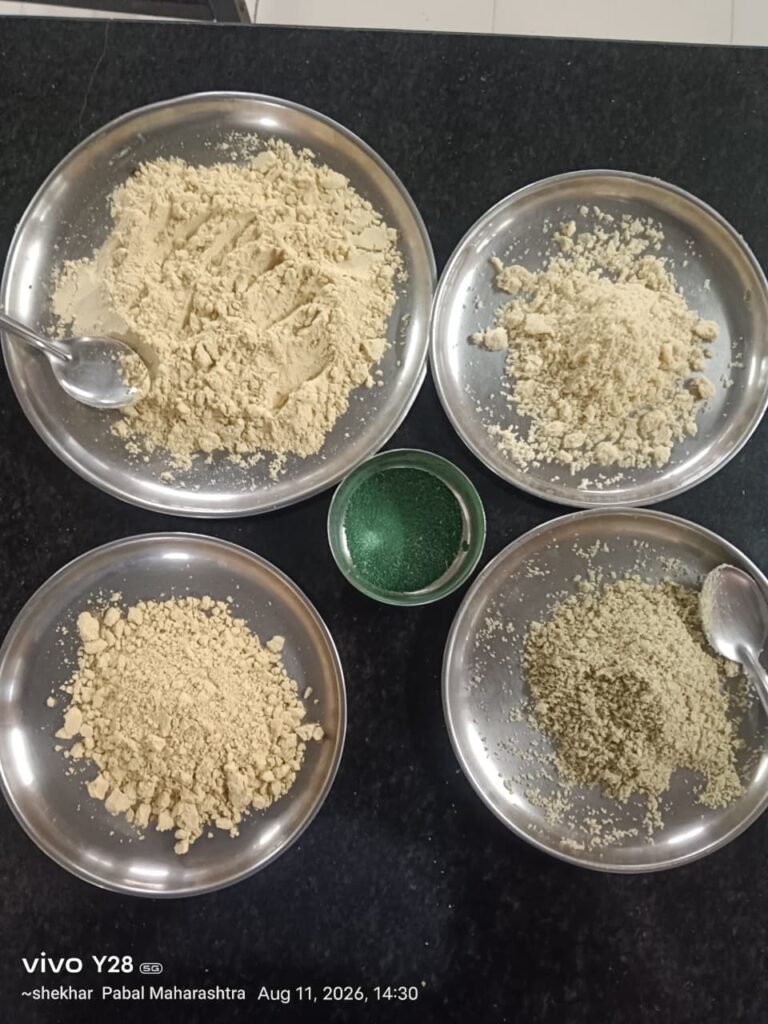
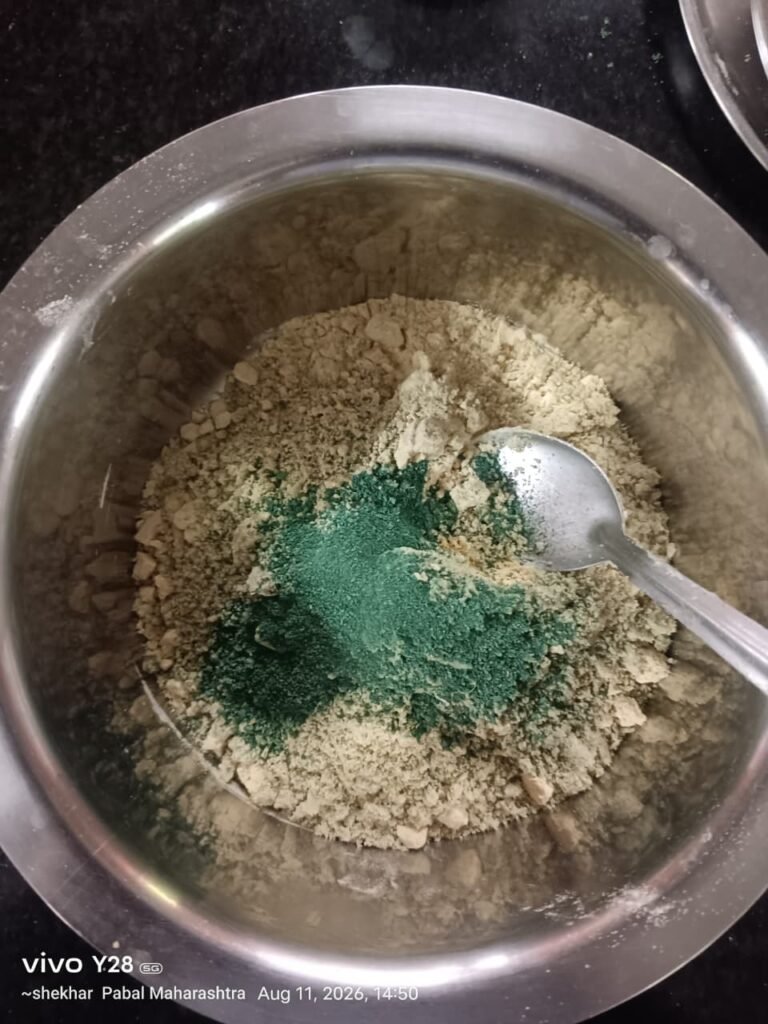
Observation:
The mixture did not bind properly and failed to form a proper protein bar. Therefore, further work was required to improve the binding properties of the bar.
Trial 2 – Improved Binding Trial (For 2 protein bars)
The prepared powders and roasted seed mixture were transferred into a mixing machine and mixed thoroughly.
During mixing, the roasted seeds released their natural oil, which helped improve the binding of the mixture.
15 g of jaggery and 5 g of honey were then added to the mixture.
The mixture was mixed again until a uniform and cohesive mass was formed.
The prepared mixture was transferred into a mould and pressed firmly.
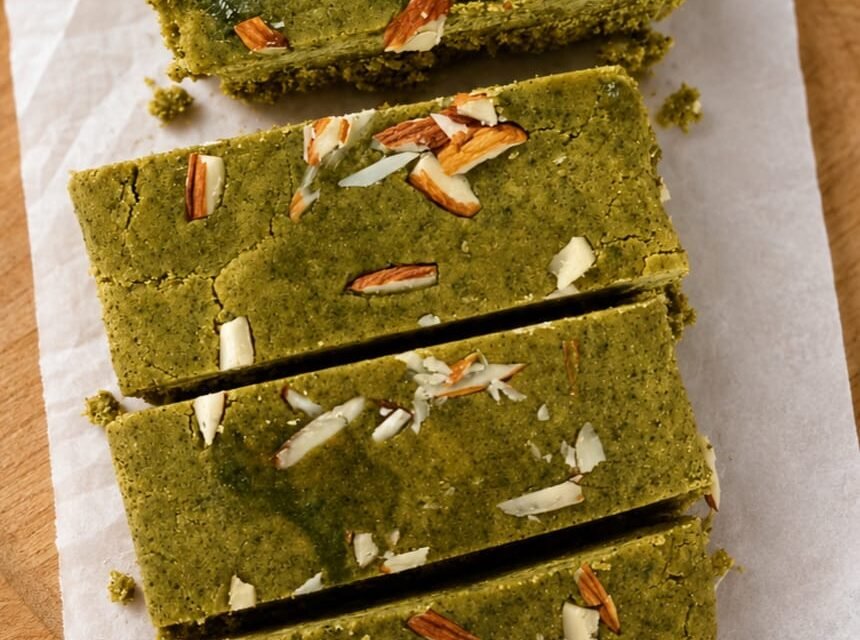
Chopped almonds were added on top of the mixture.
The mould was kept for 10 minutes to allow the bars to set.
After setting, the bars were removed from the mould and cut into pieces using a knife.
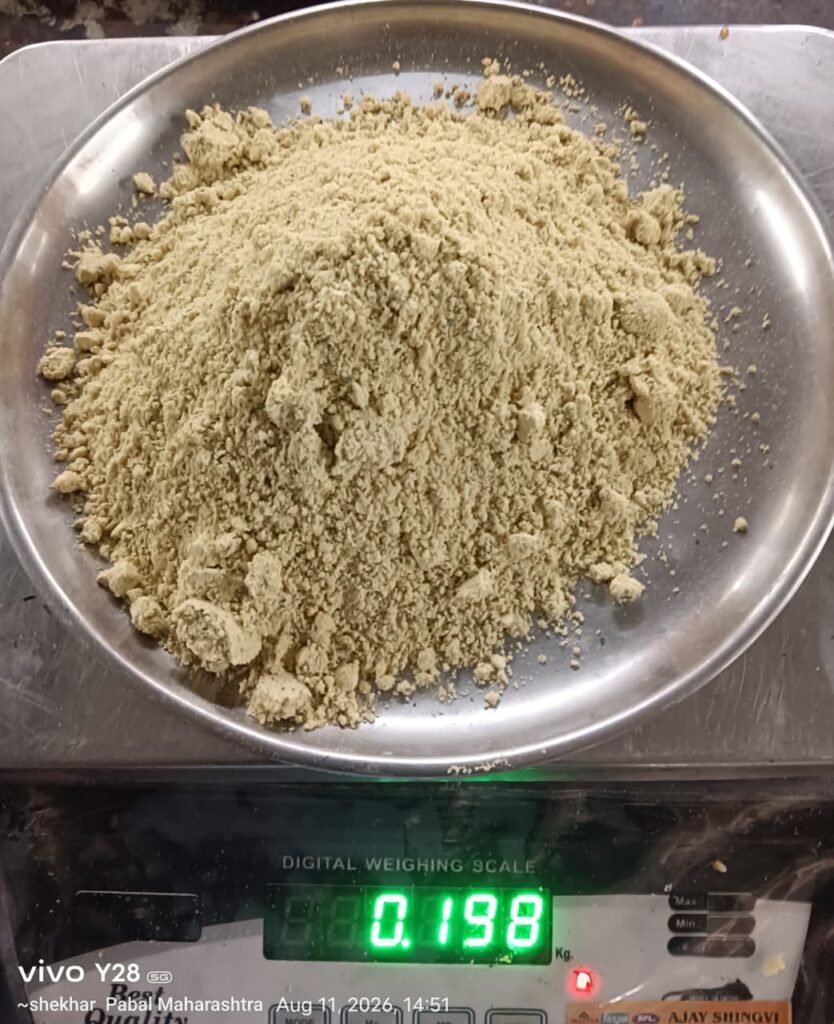
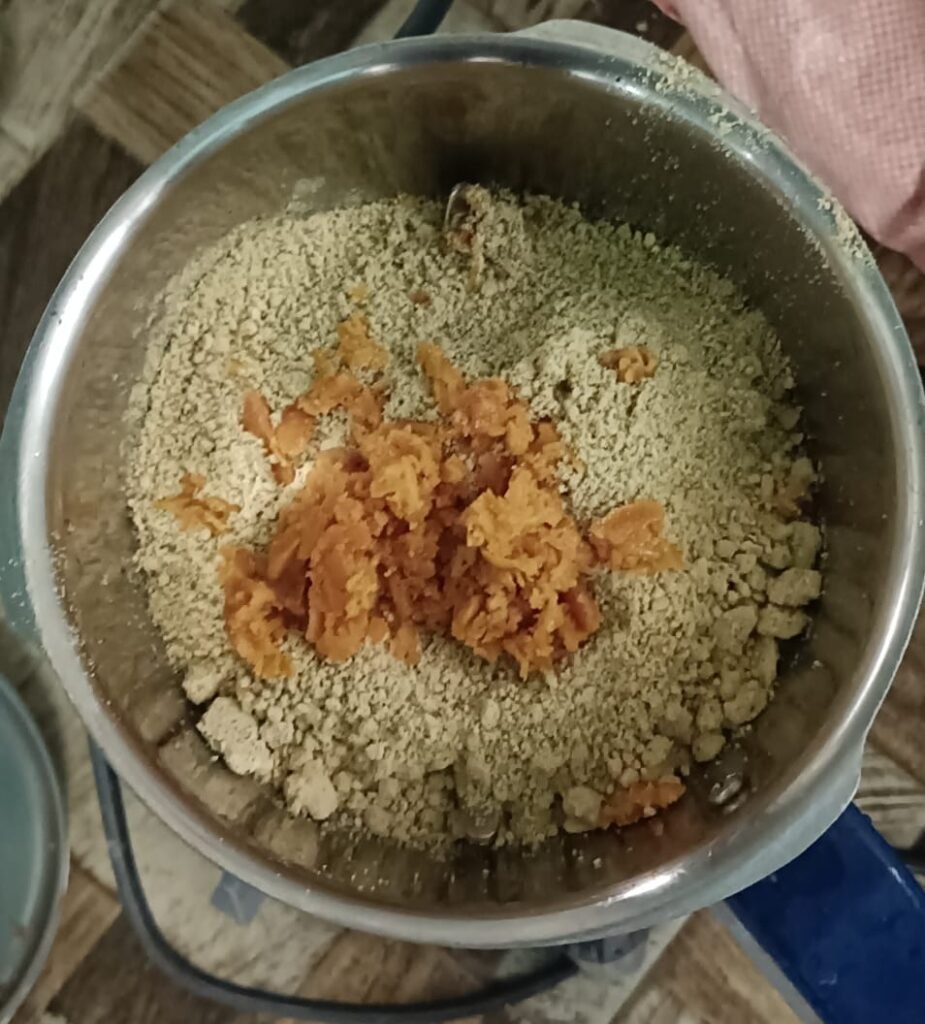
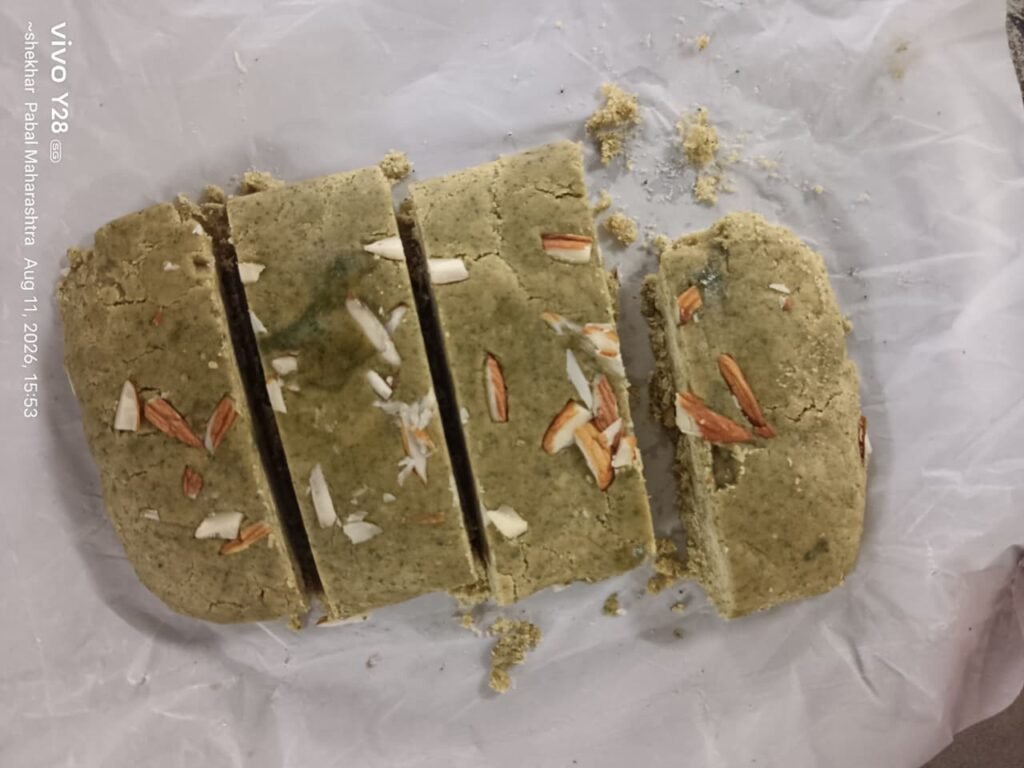
Observation:
In Trial 2, the protein bars set properly and showed better binding compared with Trial 1. The bars maintained their shape after cutting, indicating that the combination of natural oil released from the roasted seeds, jaggery, and honey provided improved binding.
Improvement :-
- Cracks have developed on the surface of the protein bar.
- The protein bar has a slightly bitter taste, and a mild throat irritation/scratchy sensation is experienced while eating it.
Therefore, further study and trials are required to identify the causes of these issues and improve the texture, taste, and overall acceptability of the Spirulina Protein Bar.
Conclusion :-
The Spirulina Protein Bar project is currently in the development stage. Initial trials were conducted to develop a suitable formulation and achieve proper binding and setting of the protein bar. In the second trial, better binding and shape retention were achieved compared with the first trial. However, some issues such as surface cracking, slightly bitter taste, and mild throat irritation were observed.
Therefore, further trials are currently being carried out to improve the texture, taste, binding properties, and overall acceptability of the protein bar. The project is expected to be completed shortly after optimizing these parameters and finalizing the suitable formulation.