Introduction :-
The H₂S water testing kit is a simple method to detect the presence of harmful bacteria in drinking water. It identifies bacterial contamination by detecting hydrogen sulfide (H₂S) gas produced by certain bacteria, indicated by a color change—usually turning black in contaminated samples.
Materials :-
| Forecep |
| Petri plate |
| Filter paper |
| Beaker |
| Plastic bottle |
Preparation of media for 200 H2S kit strip :-
| Chemicals | Quantity |
| Bacteriological grade peptone | 80gm |
| Dipotassium hydrogen phosphate | 6.0gm |
| Ferric ammonium nitrate | 3.0gm |
| Sodium thiosulphate | 4.0gm |
| L – cysteine HCl | 0.5gm |
| Liquid soap | 4.0ml |
| Distilled water | 200ml |
• Measure 200 ml of distilled water into a glass beaker, then add and dissolve the chemical.
• Stir until powder media is completely soluble in water.
• Cut the filter paper into pieces of 8 × 2.5 cm to make 200 strips.
Check pH :- pH should be maintained between 6.5 to 7.2.
Sterilization process :-
- Clean the glasswares such as forecep, petri plate etc.
- Autoclave the media, forecep, filter paper at 121°C for 15-20 minutes.
- After autoclaving, remove the media, filter paper and glasswares from sterilizer and place them in laminar air flow.
- Take 30 ml new 200 plastic bottles.
- Open the caps of bottle and keep in hot air oven at 55-60°C for 20 minutes.
- Sterile the bottles using Laminar Air Flow for 1 hrs.It helps to prevent Bacterial contamination.
Methodology :-
- Dip all the strips in the given media, then fold each strip using forceps and place them in a sterile Petri plate.
2. Use a hot air oven to dry the strips at 50°C for 40 minutes.
3. After that, place the strips in the laminar airflow cabinet for sterilization for 10 minutes.
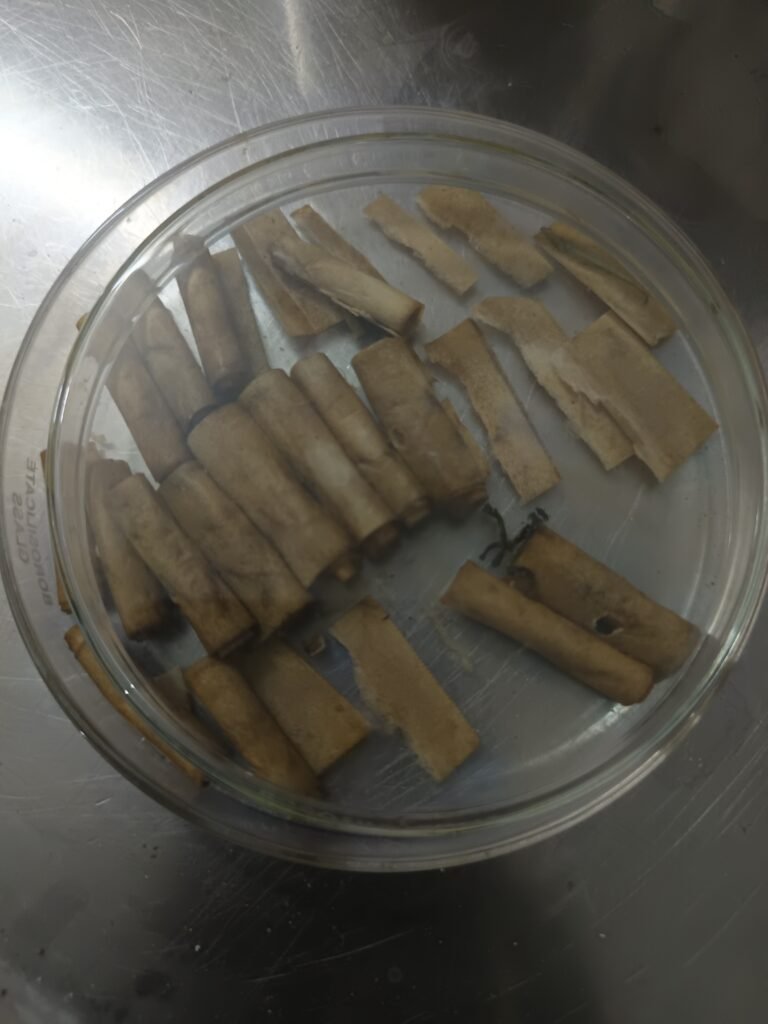
4. The strips were then stored in a dry, sterilized plastic bottle.
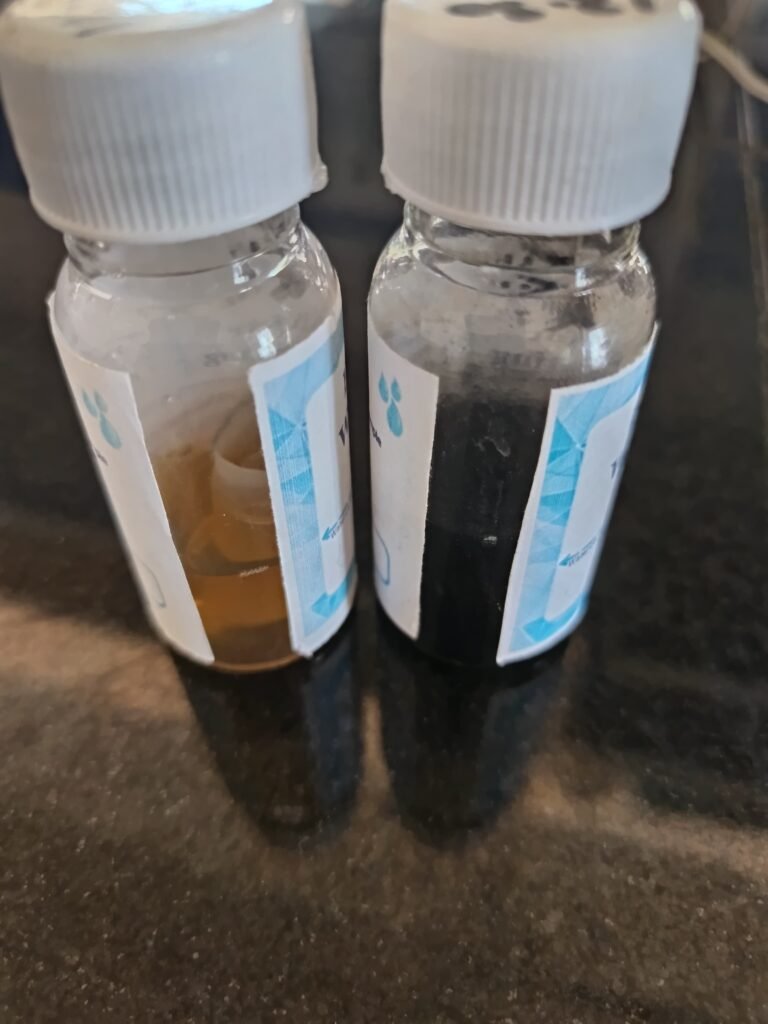
5. One bottle was filled with tap water and the other with distilled water, and they will be kept for 48 hours. The bottle with tap water showed a black coloration, whereas the distilled water bottle showed no color change, retaining the original media color.
Result :-
| Sample | Time | Result |
| Tap water | 48 hours | Positive |
| Distilled water | 48 hours | Negative |
13/07/2026
The H2S kit in 400 bottles had expired, so the contents were discarded, and preparation of new bottles has been started.
An order for 800 bottles has been received from Sumit Thakre.
We are planning to prepare 500 bottles by 30 July.
19/06/20226
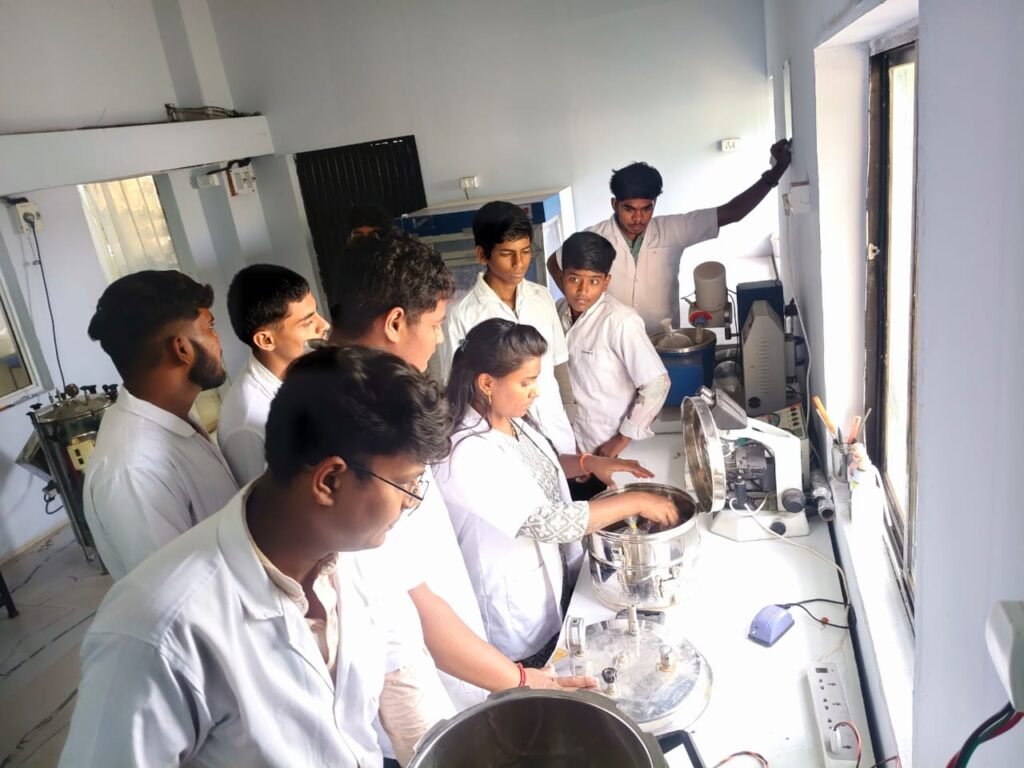
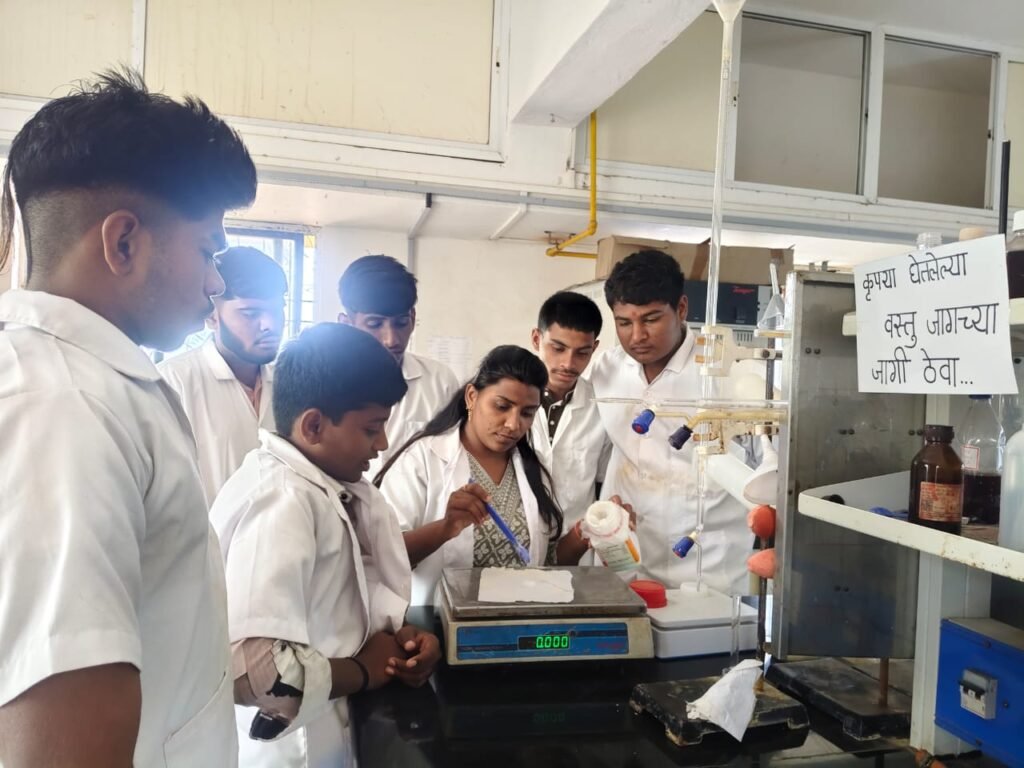
Preparation of Media for 200 H₂S Kit Strips with DBRT Students
The media required for the preparation of 200 H₂S water testing kit strips was prepared along with DBRT students. The following chemicals were used in the specified quantities:
| Chemical | Quantity |
|---|---|
| Bacteriological Grade Peptone | 80 g |
| Dipotassium Hydrogen Phosphate | 6.0 g |
| Ferric Ammonium Nitrate | 3.0 g |
| Sodium Thiosulphate | 4.0 g |
| L-Cysteine HCl | 0.5 g |
| Liquid Soap | 4.0 mL |
| Distilled Water | 200 mL |
DBRT students actively participated in the preparation of the H₂S media. They learned how to accurately weigh chemicals, prepare the media in the correct proportions, follow laboratory hygiene and safety practices, and carry out the complete media preparation process. This hands-on practical session enhanced their technical skills and understanding of the preparation of H₂S water testing kits.
Two water samples were taken from kitchen water after treating the water with a UV tube.
- Sample 1: UV treatment for 15 minutes – Positive
- Sample 2: UV treatment for 30 minutes – Negative
Water Testing Conducted This Month
1. Shruti Amol Jadhav
- pH: 6.9
- EC: 88
- TDS: 45
- Bacterial Test: Negative
2. Ambika Milk Collection Centre (Kanersar)
- pH: 6.5
- EC:114
- TDS:60
- Bacterial Test: positve
Water Testing – Rahul Bagate - Sample 1:
- pH: 6.8
- EC: 88
- TDS: 44
- Bacterial Test: Negative
- Sample 2:
- pH:
- EC:
- TDS:
18/08/2026
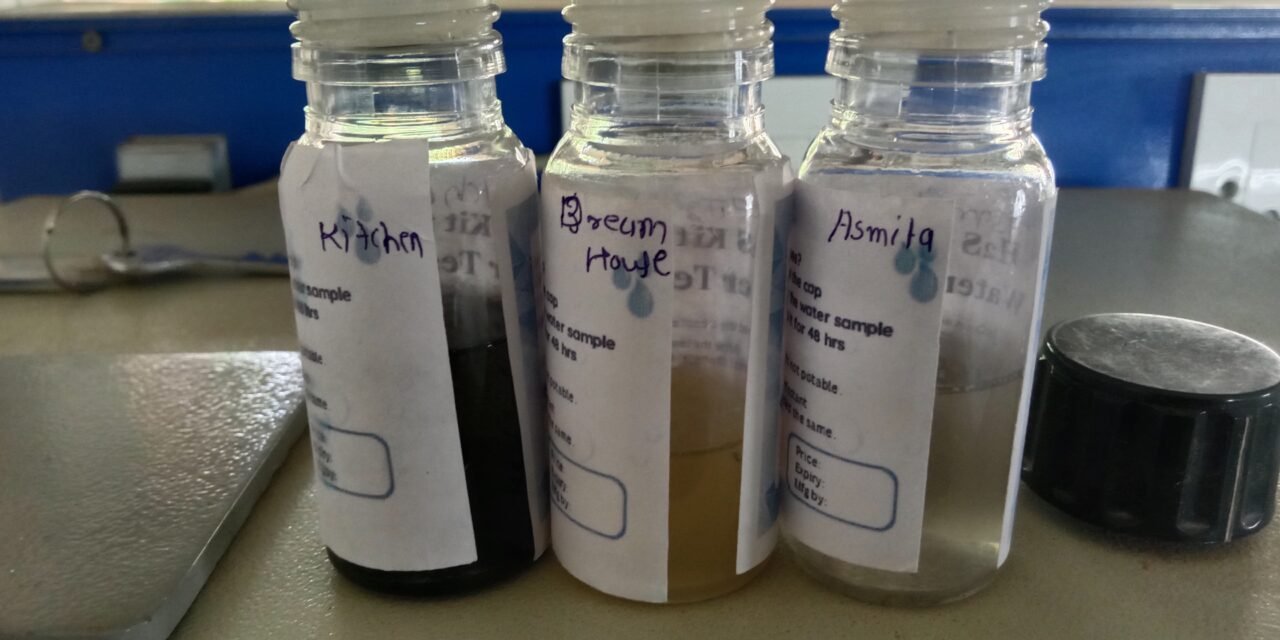
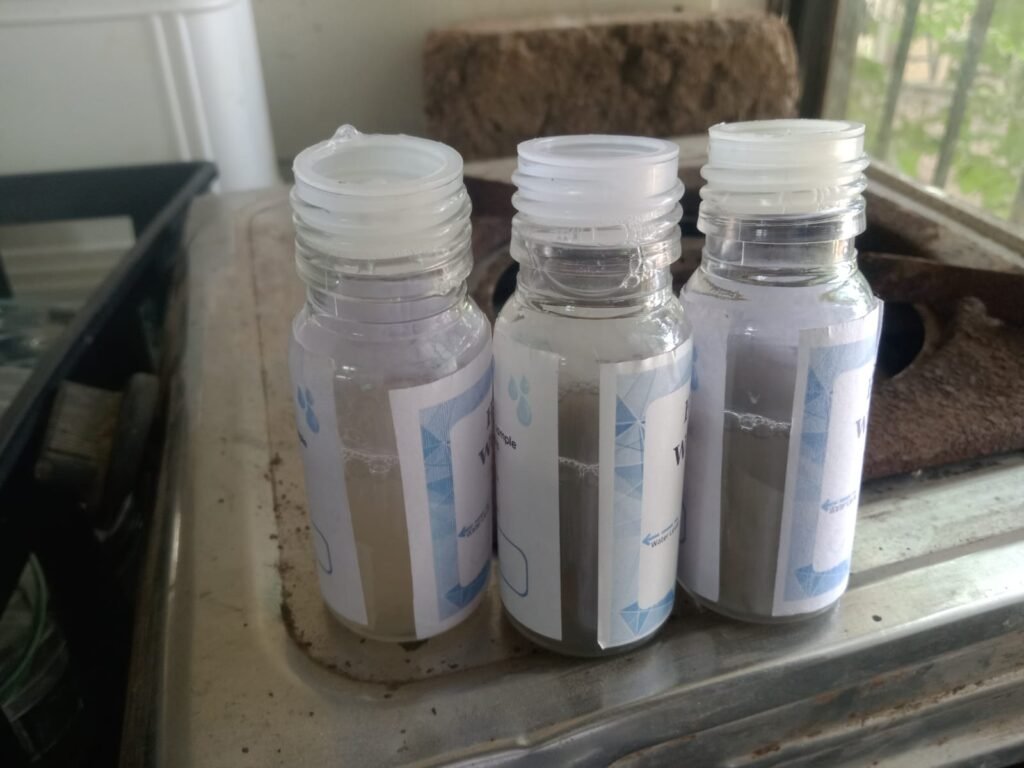
Water Bacterial Testing – Campus Samples - Water samples from three locations on the campus were tested for bacterial contamination:
- Dream House: Positive
- Kitchen: Positive
- DIC Hostel: Negative
30/ 8/2026
An order for 600 H₂S testing bottles was received from Sumit Thakre.
The preparation of all 600 H₂S testing bottles was completed.
The students from the Agri Section were trained in the preparation and use of the H₂S water testing kit.
7/9/2026 to 13/2026
Sumit Thakre – H₂S kit bottle order of 800 bottles completed.