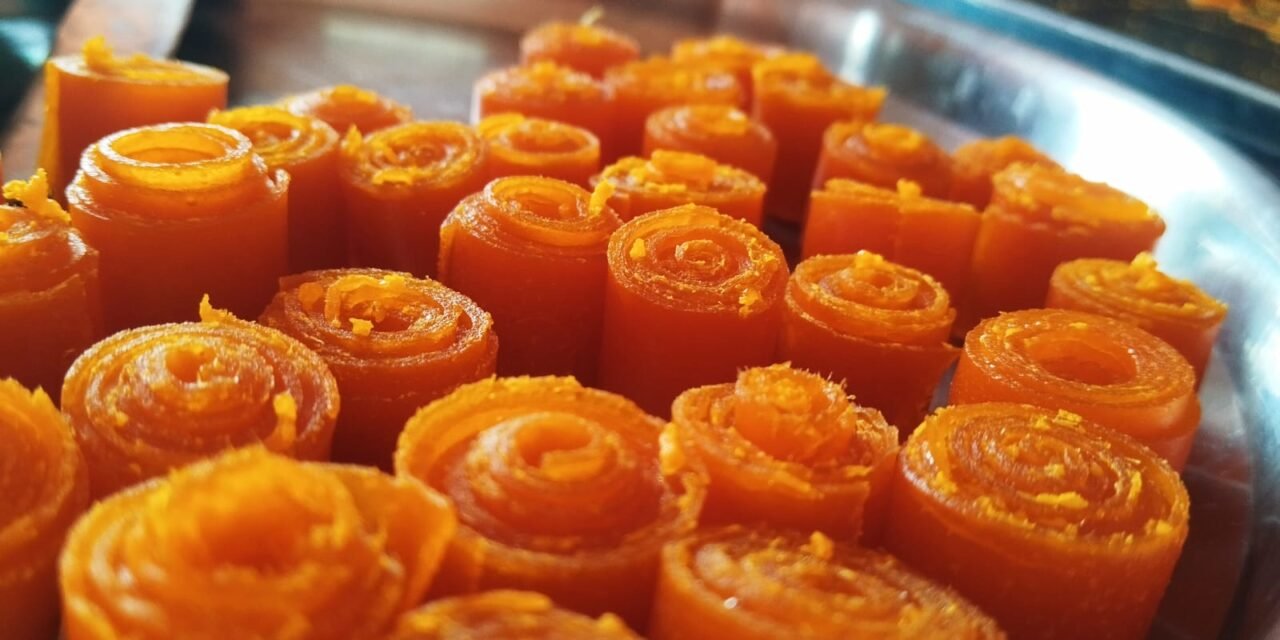
mango leather roll
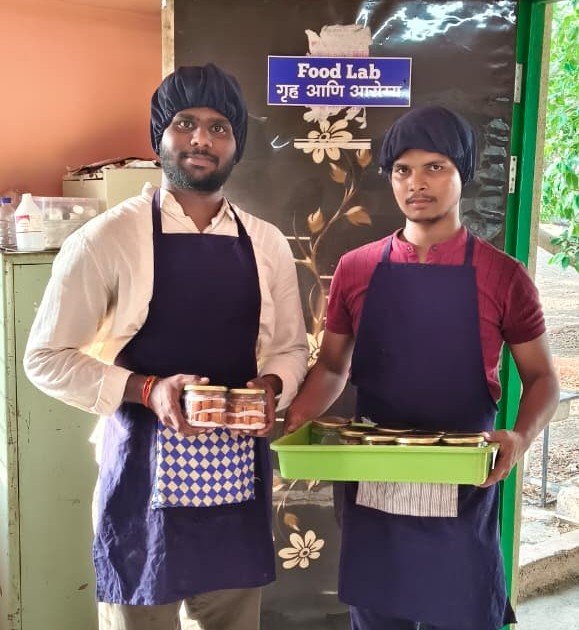
Recently, my colleague Shekhar Pawar and I found ourselves with “What do you do when you’re handed 5-6 kg of premium, frozen Ratnagiri Hapus (Alfonso) mango pulp?” exactly this delicious dilemma. Under the guidance of Dixit Sir, we embarked on a kitchen experiment to preserve this seasonal treasure. After a brainstorming session, the verdict was unanimous: we were going to make Mango Leather Rolls (popularly known as Aam Papad). Here is the step-by-step diary of how we turned a massive batch of pulp into perfectly rolled, shelf-stable sweet treats—complete with the real-world hiccups we faced along the way!
Ingradients 05/06/2026
Mango pulp – 5.6 KG Sugar – 130 – 140 gram per kg ghee – as requirement for tray Black salt – 2 to 3 gram per kg
The Recipe & Process
1. Thawing and Preparation
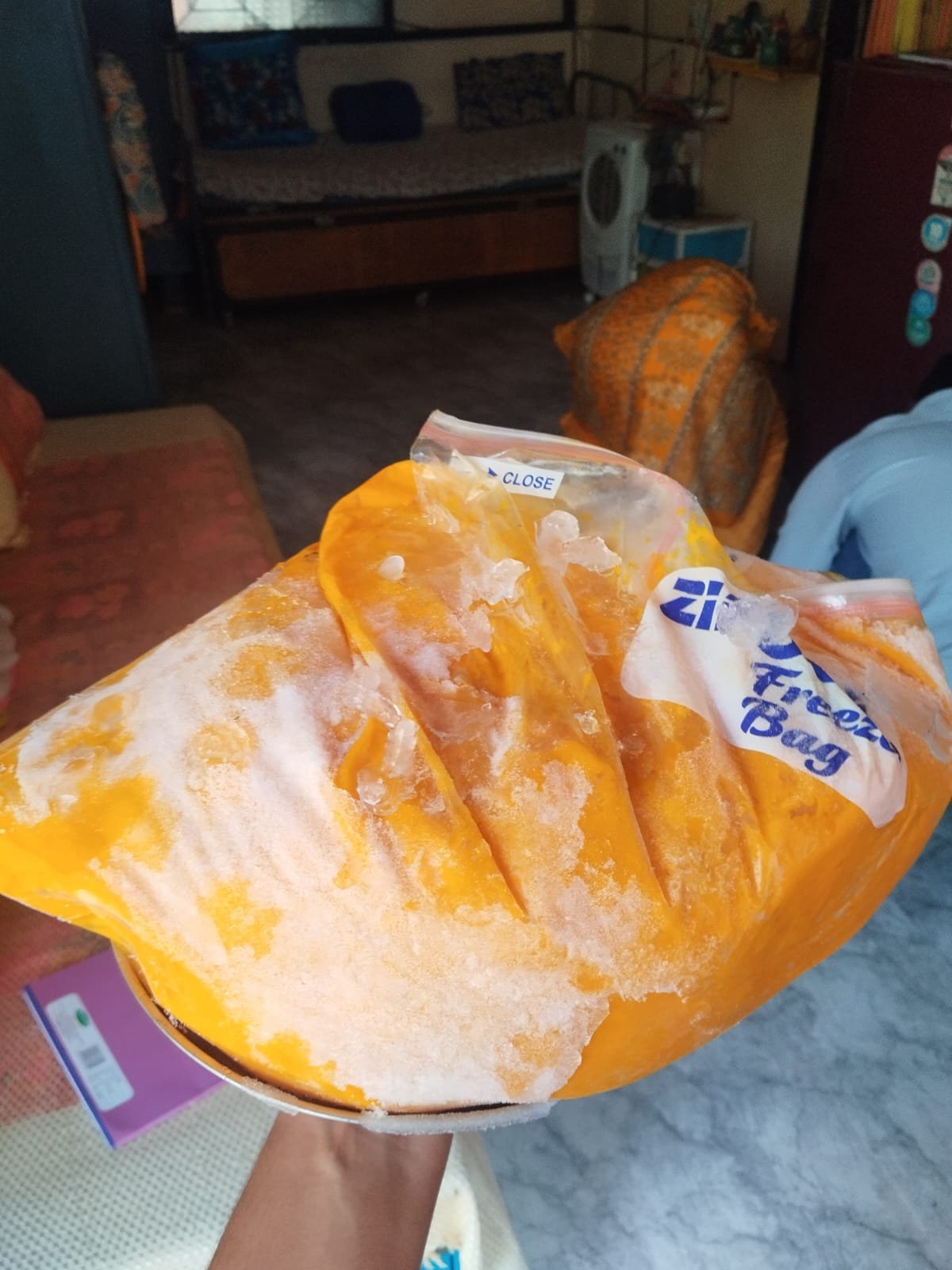
We started with our frozen block of Ratnagiri Alfonso pulp. Before doing anything else, we brought it back to a normal room temperature. Once fully thawed, we weighed it out to confirm our starting point: a solid 5.6 kg.
2. The Brix Test & Sweetening
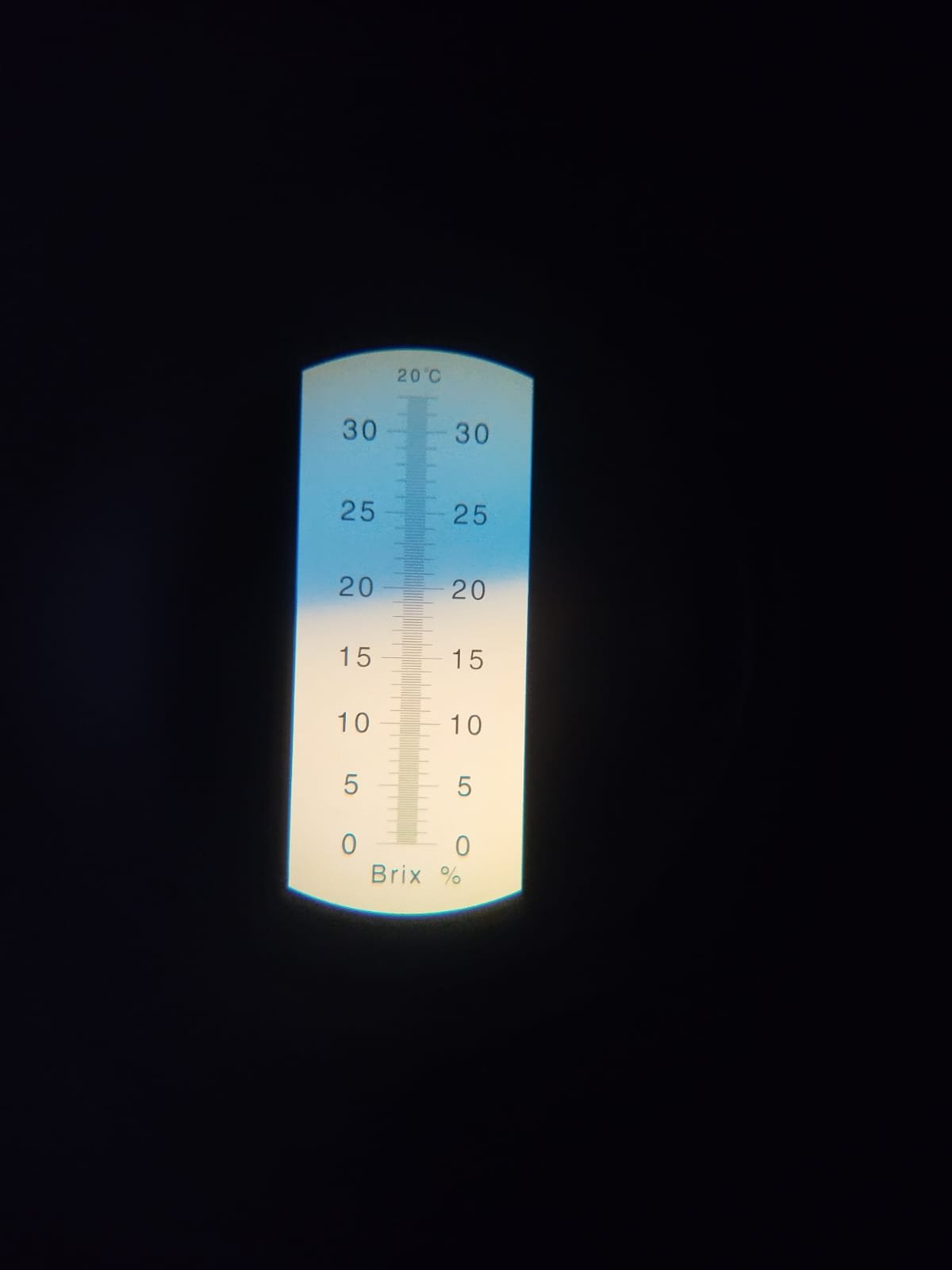
To make a perfect mango leather, you can’t just guess the sugar content; you have to measure it.
We conducted a Brix test to check the natural sugar levels of the pulp.
The result came out to 19.3
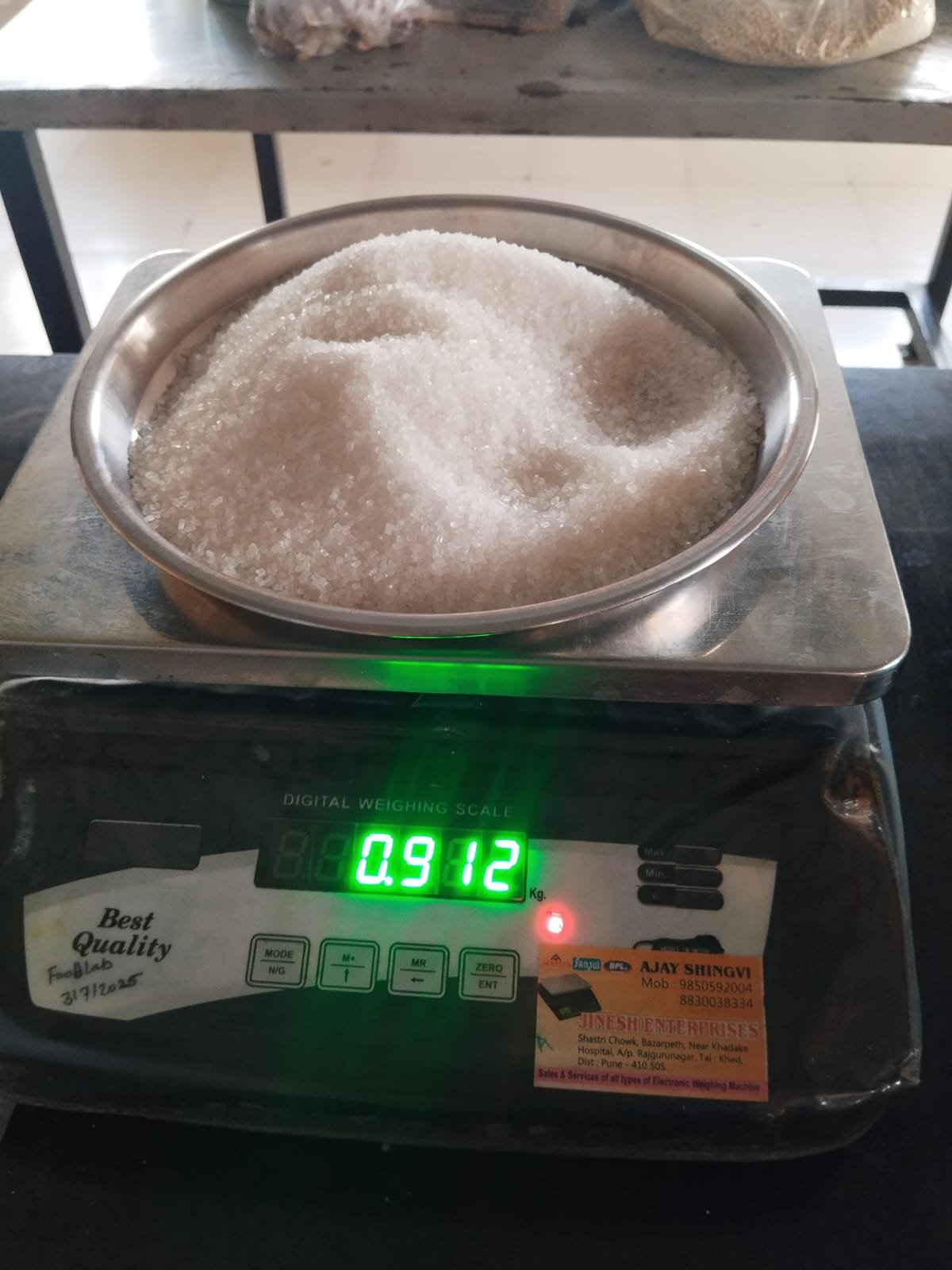
Based on this, and following the standard ratio of 130 grams of sugar per kilogram of pulp, we calculated that we needed exactly 740 grams of sugar for our 5.6 kg batch (given weigth of 0.912, is included the weight of plate which is 172 grams.)
3. Cooking to Perfection
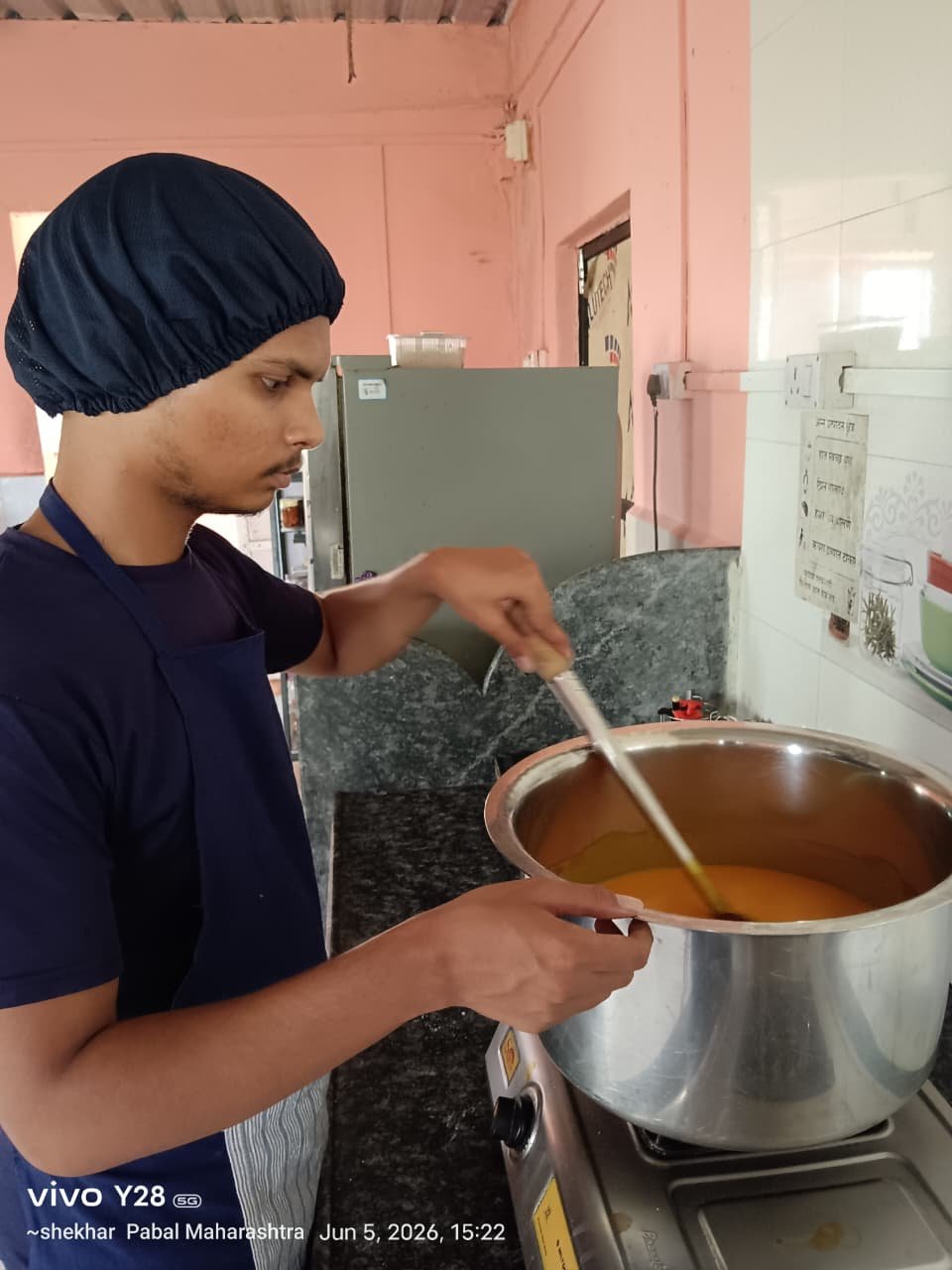
We transferred the pulp to the LPG shegdi and turned the flame to medium. We cooked the pulp steadily for 15 minutes before adding the measured sugar. Once the sugar went in, we blended the mixture thoroughly to ensure a completely smooth, consistent texture.
4. Pouring and Dehydrating
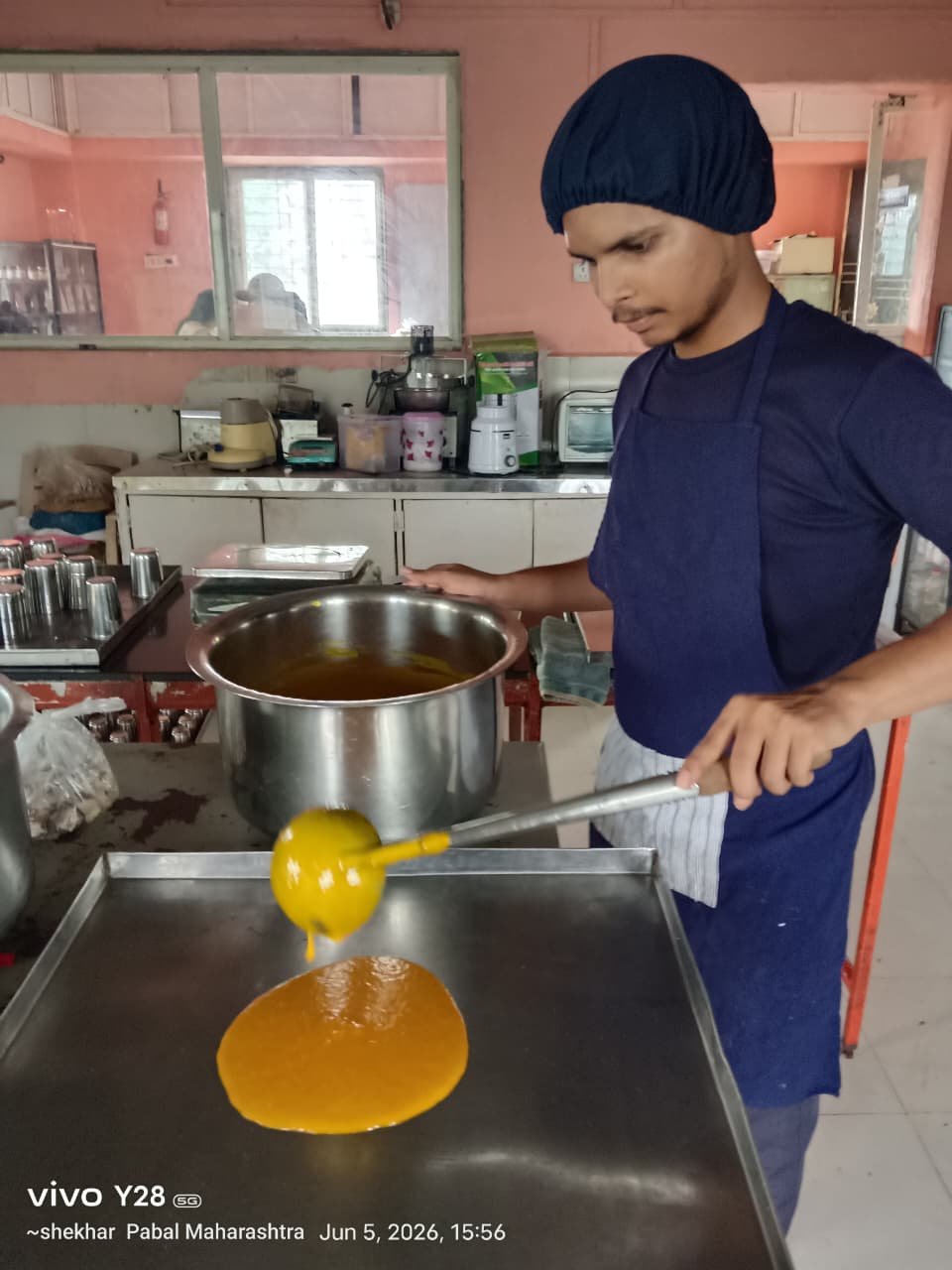
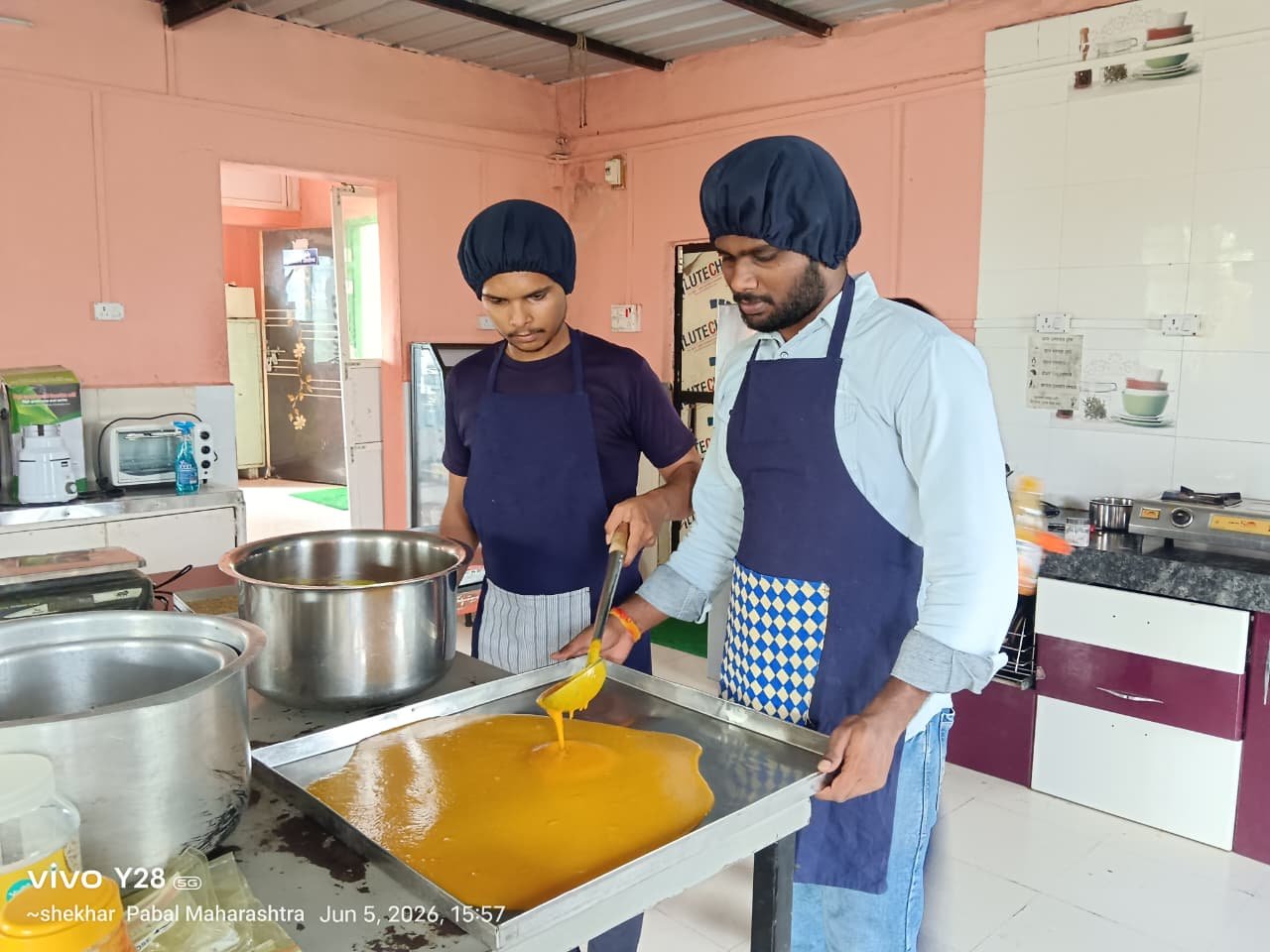
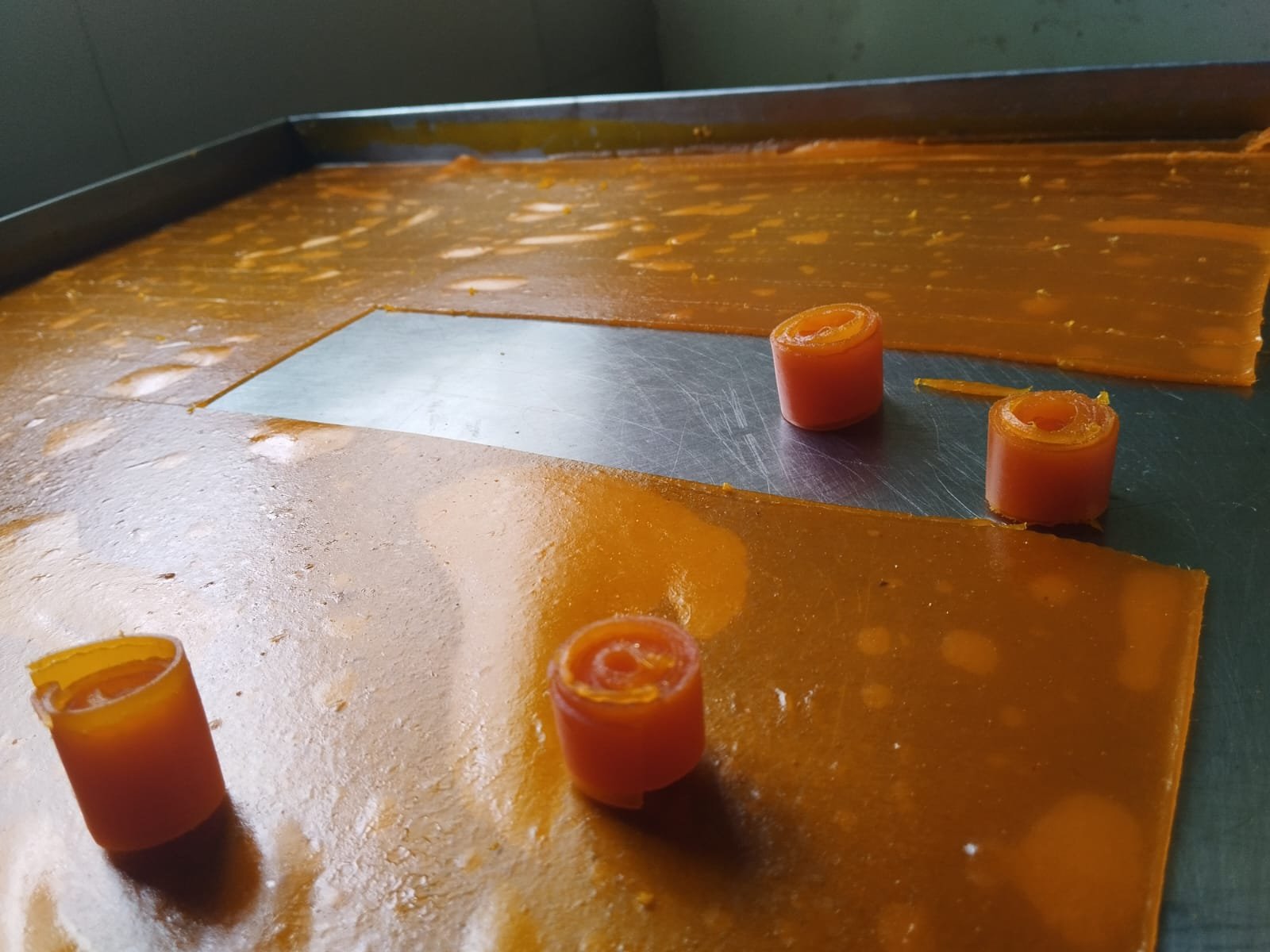
To prevent sticking, we prepped large stainless steel trays by brushing them with a thin layer of ghee. We then carefully poured the warm mango mixture onto the trays, aiming for a precise layer thickness of 2–3 mm. which became 4 trays.
The trays went straight into the oven, originally scheduled for a 4 to 4.5-hour bake.
5. preparing preservative jars 06/06/2026
By anotherhand, we prepared the preservative jars in other oven and their cap in auto-clave.
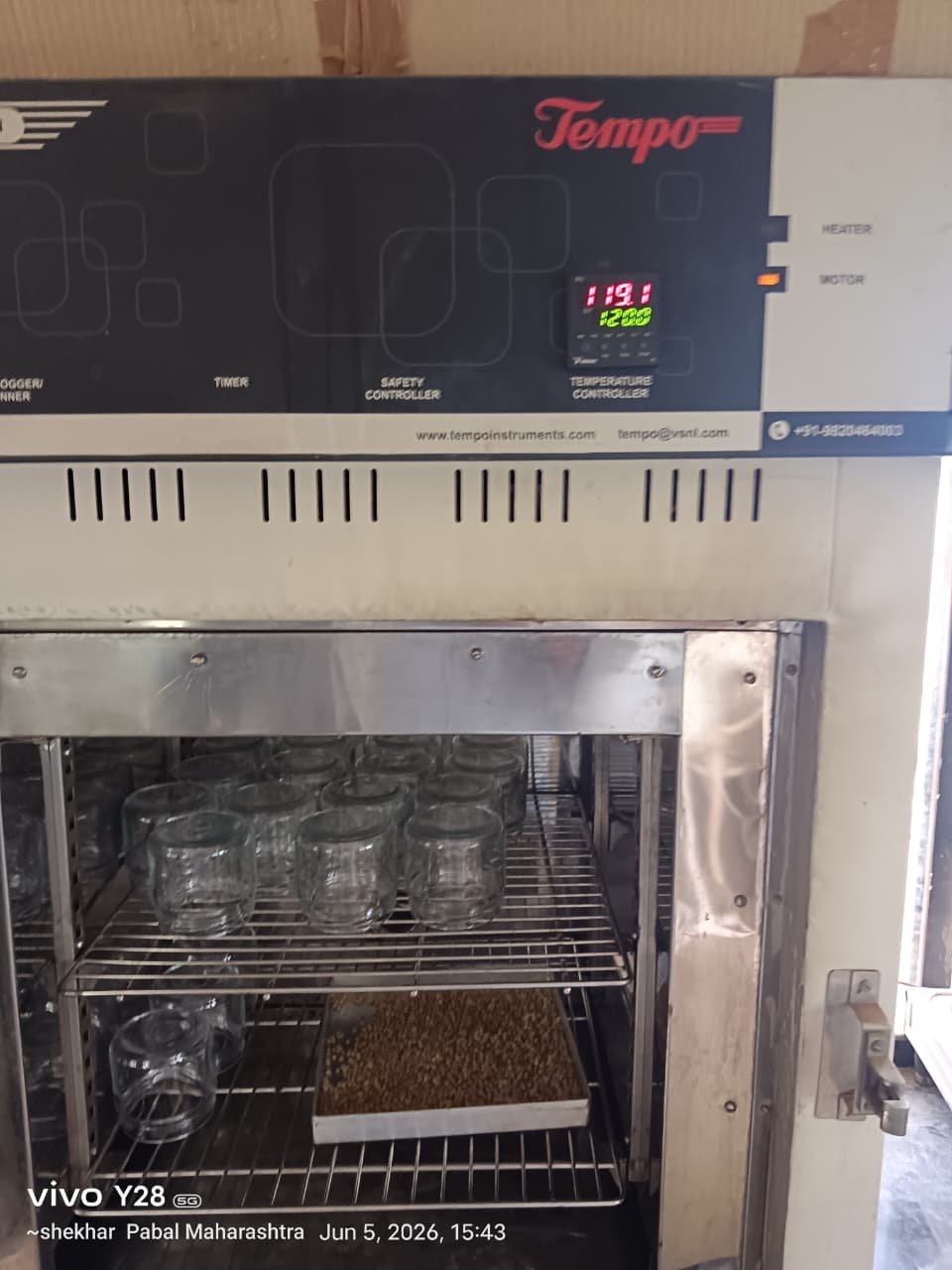
For auto-clave (temp and time) : 120°C for 15 mins For oven (temp and time) : 180°C for 40 mins
Overcoming Real-World Challenges
No kitchen experiment goes perfectly, and we hit two major speed bumps that taught us some great lessons:
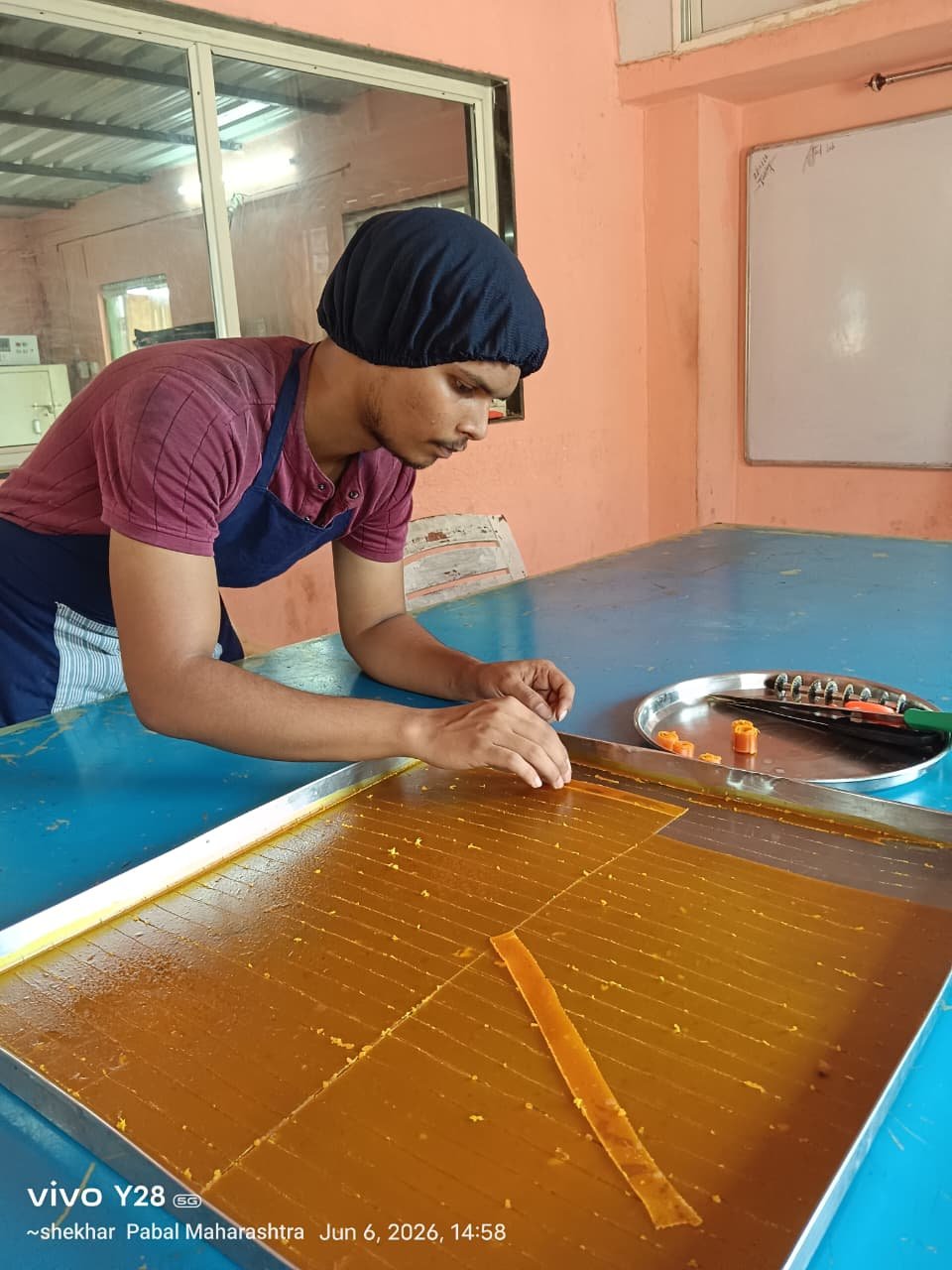
The Power Outage: Right in the middle of dehydration, we hit a “light problem” (a power cut). Because the oven shut down, we had to adapt on the fly and extend our drying time by an extra hour to make sure the leather was properly set. The Uneven Tray Dilemma: The next morning, it was time to harvest our creation. However, we noticed our stainless steel trays had slightly uneven bottoms. This caused the pulp to pool slightly, making the cutting process a bit tricky.
Despite the uneven trays, we managed to slice the sheets cleanly and roll them up into beautiful, golden, glossy mango leather rolls. The lack of appropriate equipment : the cutting ruler for making the slices was not suitable, which became the reason of uneven size of rolls
Preservation and Next Steps
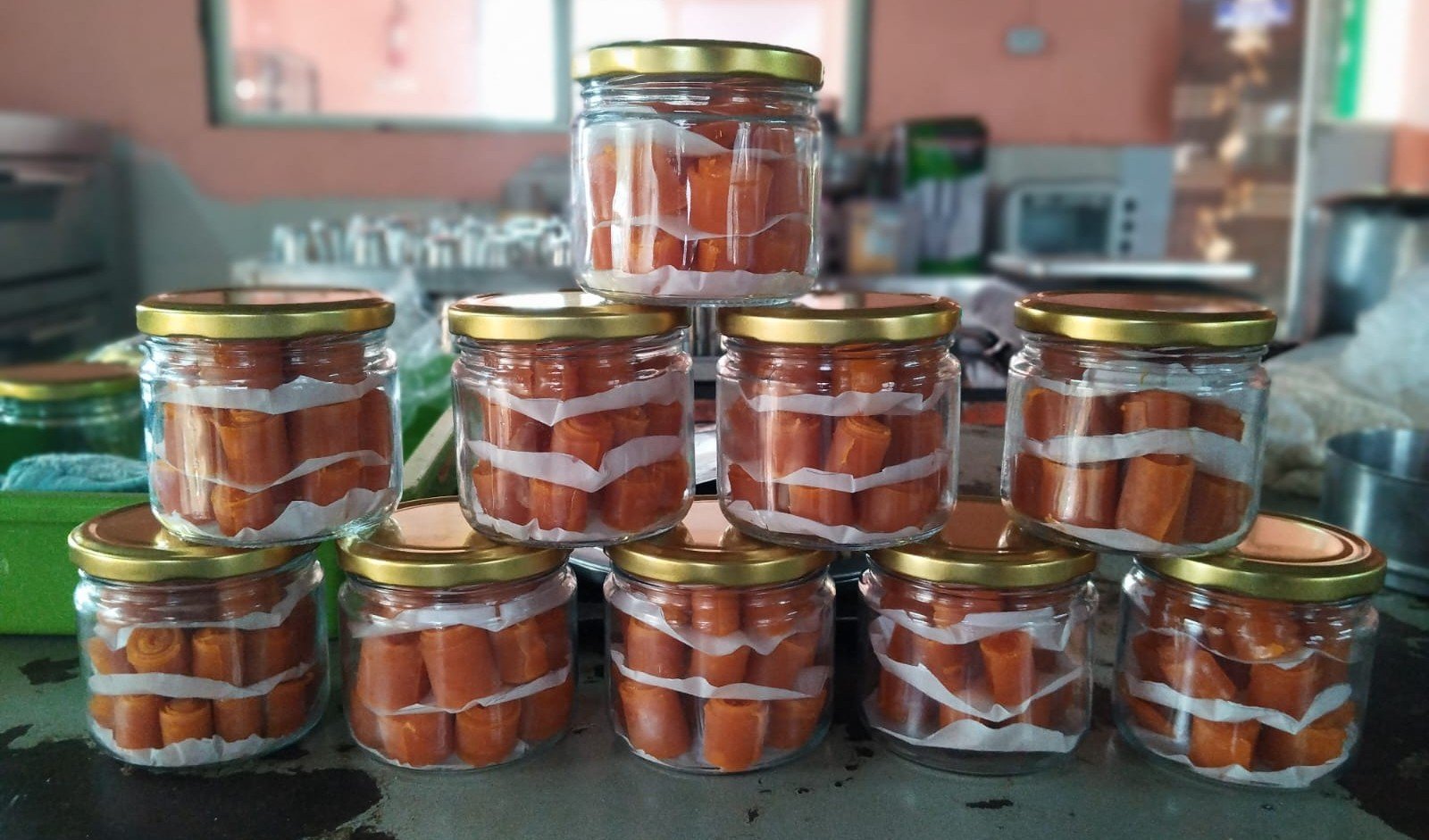
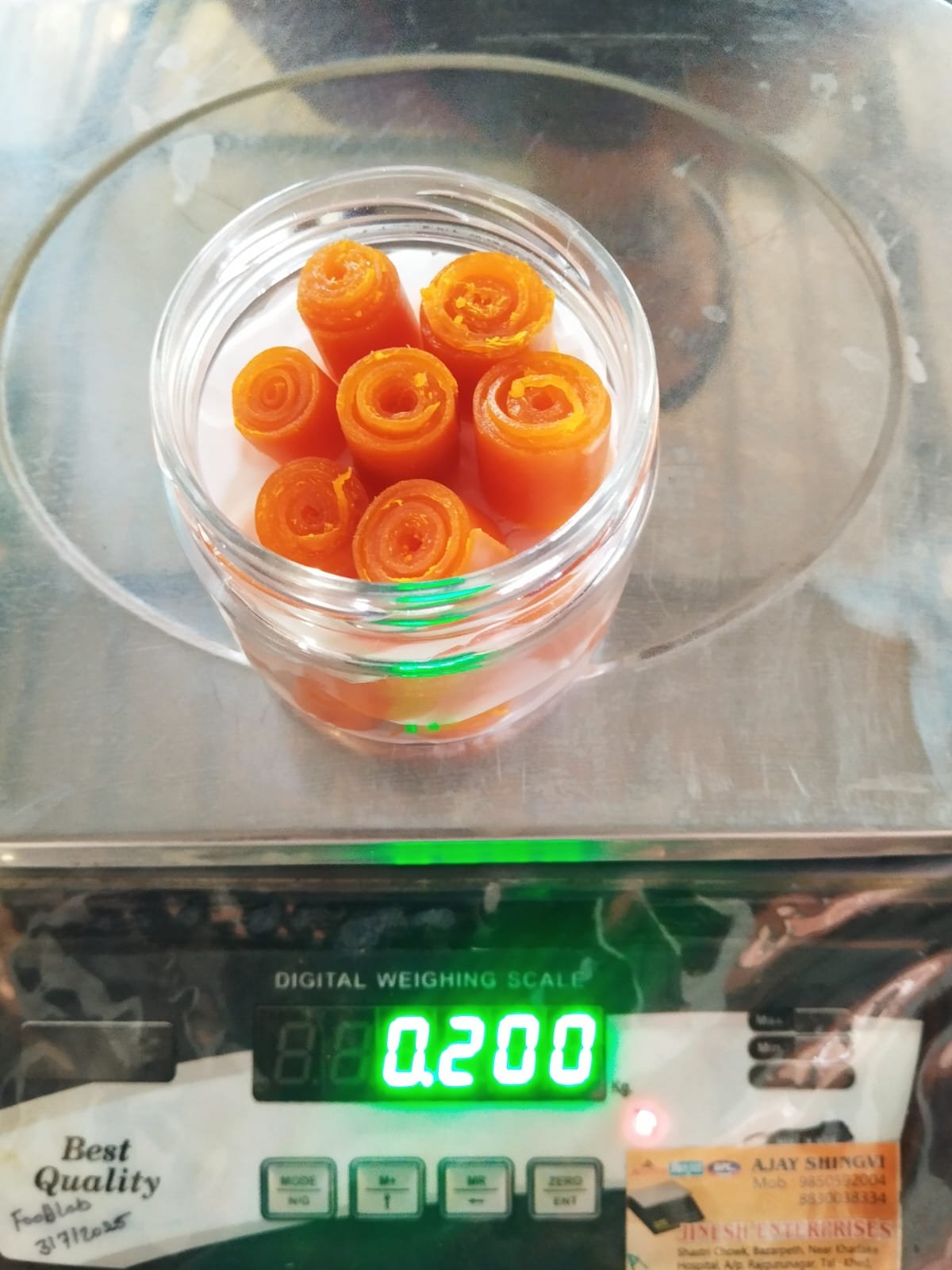
To keep our hard work fresh, we packed the finished rolls into preservative jars, portioning them out into 200-gram quantities.
CONCLUSION :-
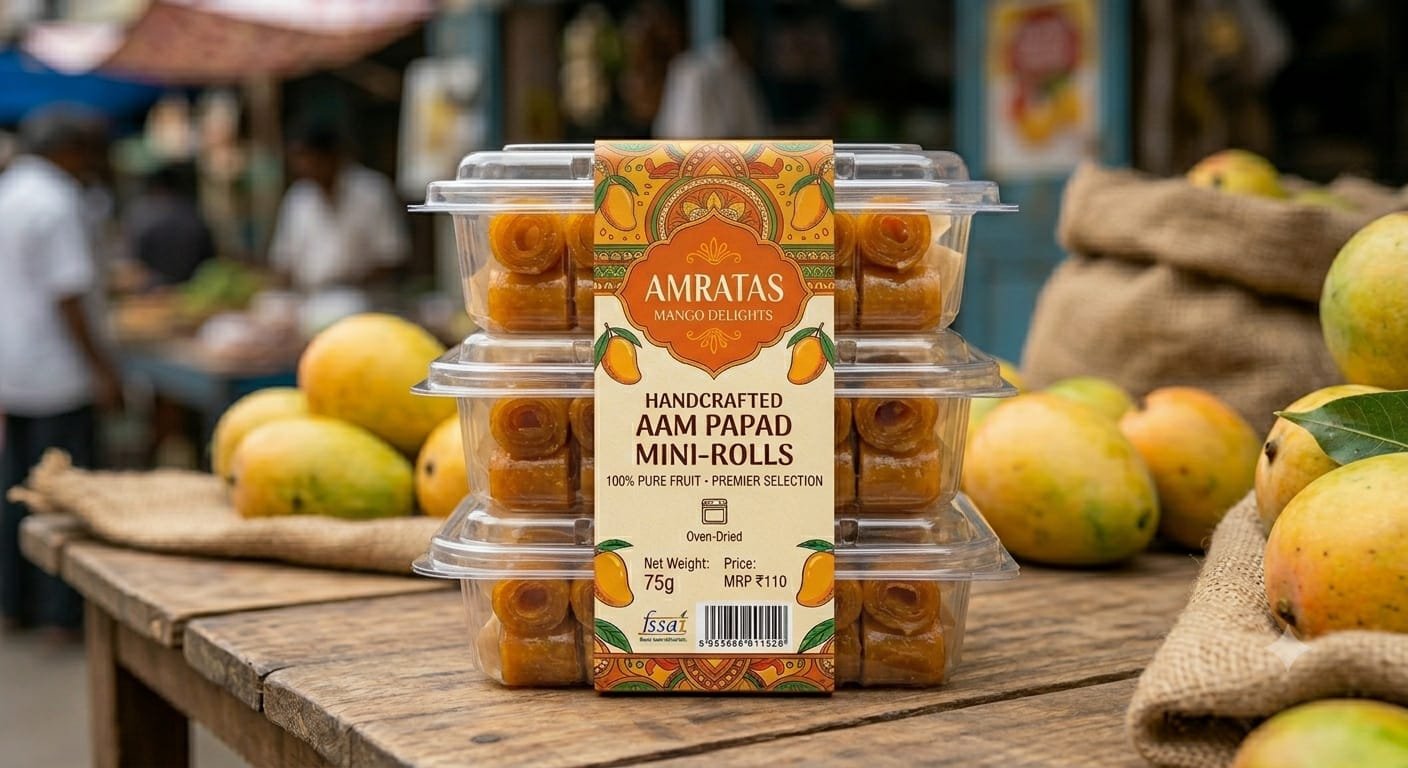
Right now, this is a temporary preservation method. Our next goal is to research and find the absolute best, most sustainable packaging solution to maximize the shelf-life of our Hapus rolls. for selling purpose, can make up something like this given below:
Key Takeaways for Next Time
Use perfectly flat trays: To avoid uneven thickness and difficult cutting, perfectly leveled trays are a must.
Ultimately, we saved 5.6 kg of mango pulp from going to waste and turned it into a premium product.
The Mango Leather Roll (Aam Papad) was successfully developed using frozen Ratnagiri Alphonso mango pulp through cooking, tray spreading, dehydration, cutting, rolling, and hygienic packaging. The product was successfully prepared and packaged in 200 g portions using sterilized glass jars.
The developed Mango Leather Rolls were successfully utilized for selling, demonstrating the practical feasibility of the developed product. The project also provided practical experience in fruit preservation, dehydration, packaging, and product handling. Further improvements can be made in cutting uniformity and commercial packaging to enhance product appearance and marketability.