Plant Tissue Culture Of Moringa / Drumstick (Moringa Oleifera )
Objective :
1. To study the effect of different concentration of hormones on germination under
in vitro condition.
2. To know the ideal concentration and constitution of germination media.
3. To know the contamination percentage and develop protocols to avoid it.
Materials and Methods:
- Preparation of Stock Solution (M S Media) and Hormones combination
Stock Classification
| Stock | Type |
| Stock I | Macronutrients |
| Stock II | Macronutrient |
| Stock III | Micronutrient (Iron) |
| Stock IV | Micronutrients |
| Stock V | Vitamins |
- Stock I – Macronutrients
| Sr. No. | Chemical | Full Name | 1000 ml (g) | 250 ml (g) | 100 ml (g) |
| 1 | NH₄NO₃ | Ammonium Nitrate | 85.5 | 21.375 | 8.55 |
| 2 | KNO₃ | Potassium Nitrate | 95.0 | 23.75 | 9.5 |
| 3 | MgSO₄·7H₂O | Magnesium Sulphate Heptahydrate | 18.5 | 4.625 | 1.85 |
| 4 | KH₂PO₄ | Potassium Dihydrogen Phosphate | 8.5 | 2.125 | 0.85 |
- Stock II – Macronutrient
| Chemical | Full Name | 1000 ml (g) | 250 ml (g) | 100 ml |
| CaCl₂·2H₂O | Calcium Chloride Dihydrate | 22 | 5.5 | 2.2 |
- Stock III – Micronutrient (Iron)
| Chemical | Full Name | 1000 ml (g) | 250 ml (g) | 100 ml (g) |
| FeSO₄·7H₂O | Ferrous Sulphate Heptahydrate | 1.39 | 0.3475 | 0.139 |
| Na₂EDTA·2H₂O | Disodium EDTA Dihydrate | 1.863 | 0.46575 | 0.1863 |
- Stock IV – Micronutrients
| Chemical | Full Name | 1000 ml (g) | 250 ml (g) | 100 ml (g) |
| MnSO₄·4H₂O | Manganese Sulphate Tetrahydrate | 2.23 | 0.5575 | 0.223 |
| ZnSO₄·7H₂O | Zinc Sulphate Heptahydrate | 0.86 | 0.215 | 0.086 |
| H₃BO₃ | Boric Acid | 0.62 | 0.155 | 0.062 |
| KI | Potassium Iodide | 0.083 | 0.02075 | 0.0083 |
| Na₂MoO₄·2H₂O | Sodium Molybdate Dihydrate | 0.025 | 0.00625 | 0.0025 |
| CuSO₄·5H₂O | Copper Sulphate Pentahydrate | 0.0025 | 0.000625 | 0.00025 |
| CoCl₂·6H₂O | Cobalt Chloride Hexahydrate | 0.0025 | 0.000625 | 0.00025 |
- Stock V – Vitamins
| Chemical | Full Name | 1000 ml (g) | 250 ml (g) | 100 ml (g) |
| Glycine | Glycine (Amino acid) | 0.2 | 0.05 | 0.02 |
| Nicotinic acid | Vitamin B3 | 0.05 | 0.0125 | 0.005 |
| Pyridoxine HCl | Vitamin B6 | 0.05 | 0.0125 | 0.005 |
| Thiamine HCl | Vitamin B1 | 0.01 | 0.0025 | 0.001 |
MS Media Preparation Table
| Component | Category | 250 ml Requirement | 100 ml Requirement |
| Stock I | Macronutrients | 5 ml | 2 ml |
| Stock II | Macronutrient (Ca) | 5 ml | 2 ml |
| Stock III | Iron source | 2.5 ml | 1 ml |
| Stock IV | Micronutrients | 2.5 ml | 1 ml |
| Stock V | Vitamins | 2.5 ml | 1 ml |
| Sucrose | Carbon source | 7.5 g | 3 g |
| Inositol | Organic supplement | 25 mg (0.025 g) | 10 mg (0.01 g) |
| Agar | Solidifying agent | 2 g | 0.75 g |
| Distilled Water | — | Make up to 250 ml | Make up to 100 ml |
Role of Hormones in MS Media (Micropropagation)
In plant tissue culture, plant growth regulators (hormones) control the direction of growth. They determine whether the explant will develop into shoots, roots, or callus.
1. BAP (BA – 6-Benzylaminopurine)
Type: Cytokinin
Role:
- Promotes shoot formation
- Stimulates axillary bud growth
- Induces multiple shoot production (multiplication stage)
2. NAA (Naphthalene Acetic Acid)
Type: Auxin
Role:
- Promotes root formation
- Enhances cell elongation
- Supports callus formation at low concentrations
3. 2,4-D (2,4-Dichlorophenoxyacetic Acid)
Type: Strong Auxin
Role:
- Induces callus formation
- Promotes cell division
- Initially suppresses organ formation
| Combination | Full Form | Role |
| MS (without hormone) | Murashige and Skoog Medium | Control (natural growth) |
| BAP | 6-Benzylaminopurine | Shoot formation |
| NAA | Naphthalene Acetic Acid | Root formation |
| 2,4-D | 2,4-Dichlorophenoxyacetic Acid | Callus formation |
| BAP + NAA | 6-Benzylaminopurine + Naphthalene Acetic Acid | Balanced shoot and root development |
| BAP + 2,4-D | 6-Benzylaminopurine + 2,4-Dichlorophenoxyacetic Acid | Shoot and callus formation |
| NAA + 2,4-D | Naphthalene Acetic Acid + 2,4-Dichlorophenoxyacetic Acid | Root and callus formation |
20 April 2026
protocol for Preparation of 250 ml MS Medium
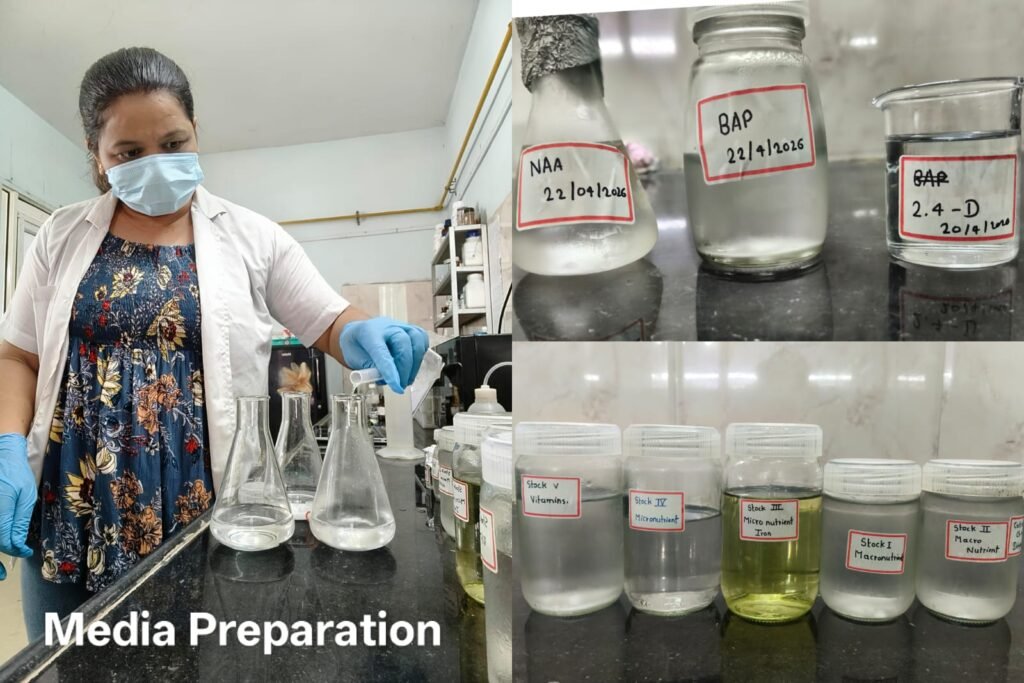
- The required volumes of stock solutions were calculated and added into a 250 ml beaker as follows:
- Stock I → 5 ml
- Stock II → 5 ml
- Stock III → 2.5 ml
- Stock IV → 2.5 ml
- Stock V → 2.5 ml
- Approximately 150–200 ml distilled water was added.
- Sucrose (7.5 g) and inositol (0.025 g) were added and stirred until completely dissolved.
- Required concentration of plant growth regulators (hormones) was added as per treatment.
- The final volume was made up to 250 ml using distilled water.
- The pH of the medium was adjusted to 5.7–5.9 using (To adjust Ph NaOH or HCl.)
- Agar 2.0 g added and mixed thoroughly.
- The medium was heated in a microwave oven until agar was completely dissolved.
- The medium was sterilized by autoclaving at 121°C and 15 psi for 15–20 minutes.
- After autoclaving, the medium was allowed to cool to about 45–50°C.
- Heat-sensitive components such as antibiotics (e.g., Cefotaxime sodium) were added aseptically and mixed gently.
- The medium was poured into sterile culture tubes / bottles under laminar airflow conditions and allowed to solidify.
A discussion was held with Dixit Sir and Yashwant Sir, and it was decided to conduct a plant tissue culture trial of Moringa using nodal and seed explants.
Experimental Trial Design (Nodal vs Seed Explants)
Table: Hormone Treatment with Two Explant Types
| Sr. No. | Treatment (MS Media +Hormone) | Hormone Conc. | Nodal Explants | Seed Explants | Total Explants |
| 1 | MS (Control – no hormone) | — | 5 | 5 | 10 |
| 2 | MS + BAP | 0.5 mg/L | 5 | 5 | 10 |
| 3 | MS + NAA | 0.5 mg/L | 5 | 5 | 10 |
| 4 | MS + 2,4-D | 0.5 mg/L | 5 | 5 | 10 |
| 5 | MS + BAP + NAA | 0.5 + 0.5 mg/L | 5 | 5 | 10 |
| 6 | MS + BAP + 2,4-D | 0.5 + 0.5 mg/L | 5 | 5 | 10 |
29 April 2026
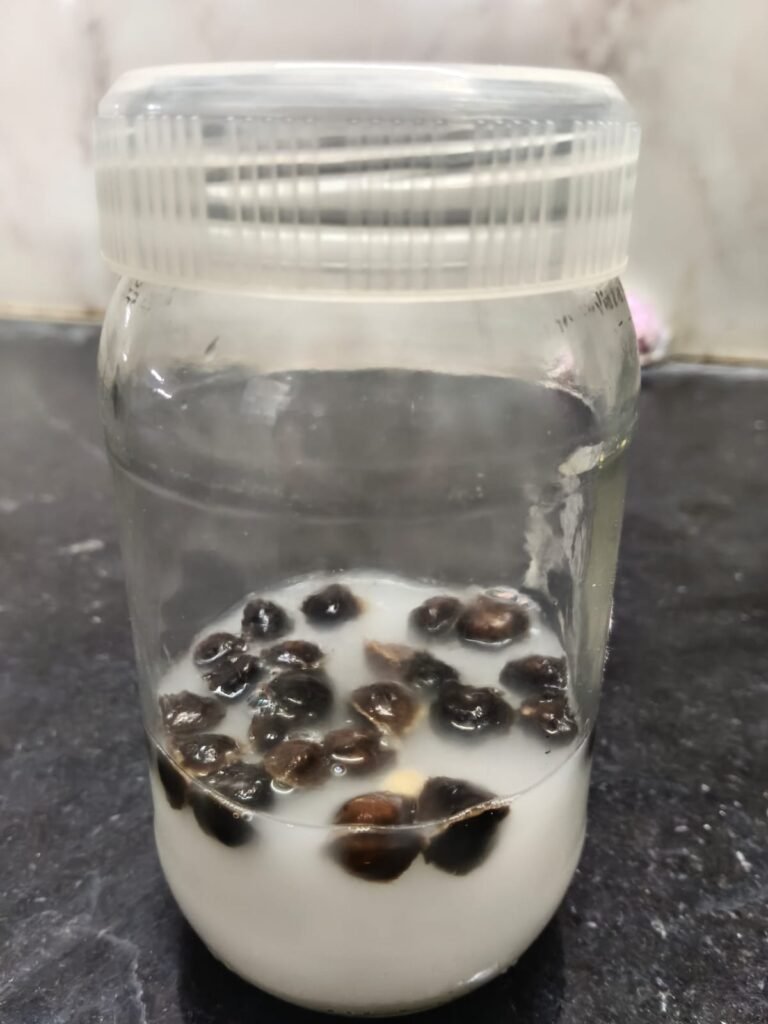
Procedure for Moringa Seed in (GA₃):
1. Take Moringa seeds .
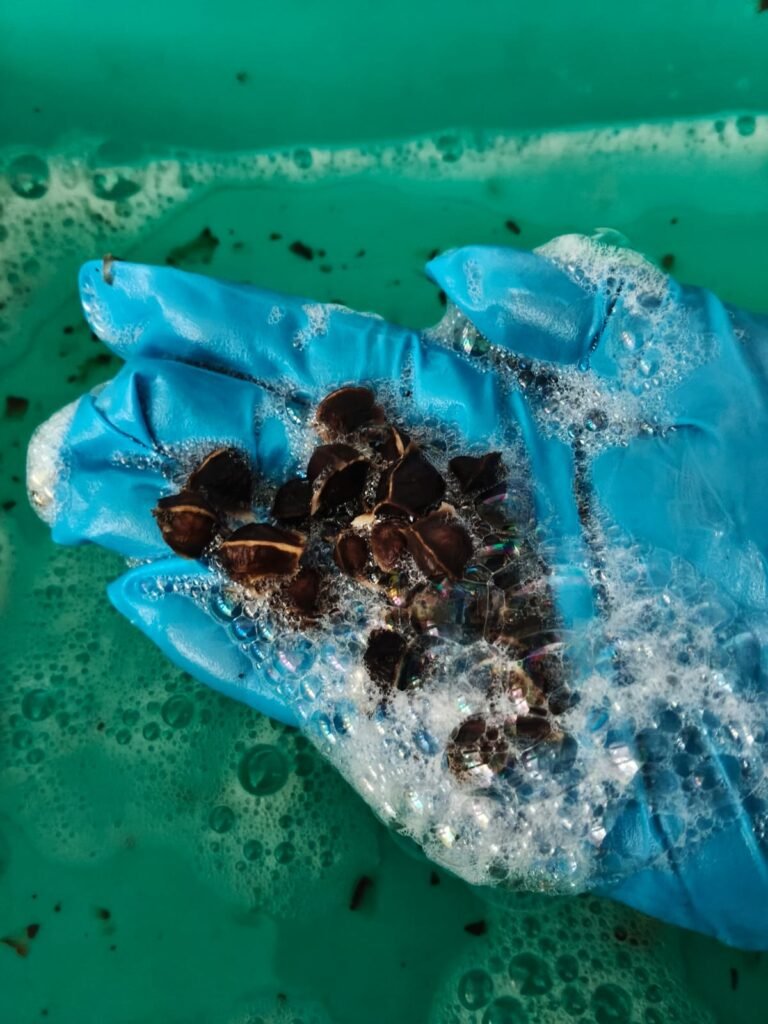
2. Wash seed with tap water for 5 minutes.
3. Soap treatment
– Wash seed with liquid soap (Labolene) for 5 min. (25 seeds – 5 ml)
– Rinsing – Wash seeds 4–5 times with distilled water.
– Transfer seeds into a sterilized culture bottle.
4. preparation in bottle:
– Add 80 ml double distilled water
– Add 20 ml GA₃ solution
– Add 0.5 gm Bavistin powder (fungicide)
– Close the bottle properly with a cap.
5. Incubation
– Keep the bottle in an incubator for 12 hours.
5. After incubation –
– Remove the bottle from incubator.
– Take out seeds and wash with distilled water 3–4 time.
– Place seeds in a tray
– Wash with 1 ml (5 seeds) Labolene (liquid soap).
6. Rinse with distilled water.
7. Disinfection (Dettol Treatment)
– 100 ml DDW + 1 ml dettol
– Soak seeds for 15 minutes.
– Wash 3–4 times with distilled water.
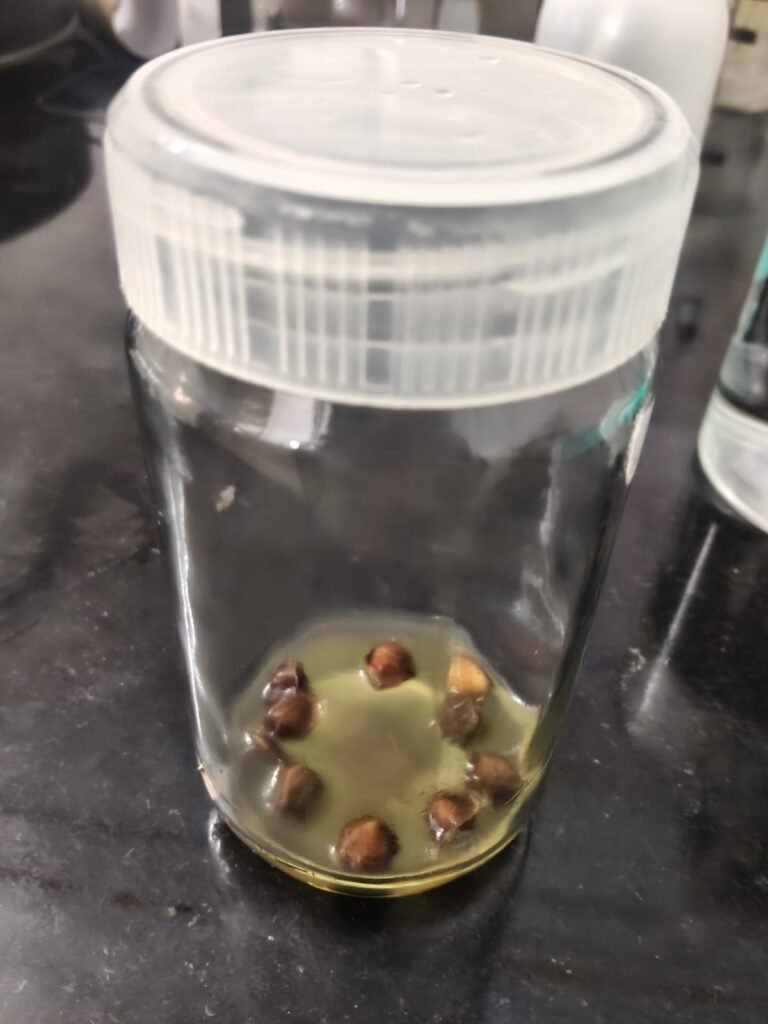
8. Acid Treatment
– Soak seeds in 5 ml phosphoric acid for 15 minutes.
– Helps in seed coat breaking
– Wash 3–4 times with distilled water.
9. Laminar Air Flow Sterilization
– Transfer seeds to laminar air flow chamber.
– 100 ml DDW + 20 ml Sodium Hypochlorite
– Soak seeds for 30 minutes.
– Wash 3–4 times with sterile distilled water.
– Seed Coat Removal
– Carefully remove seed coat
– Wash again 3–4 times with distilled water.
10. Antibiotic Treatment
– Soak seeds in antibiotic solution for 30 min.
– Inoculation
– Remove seeds and inoculate onto culture media.
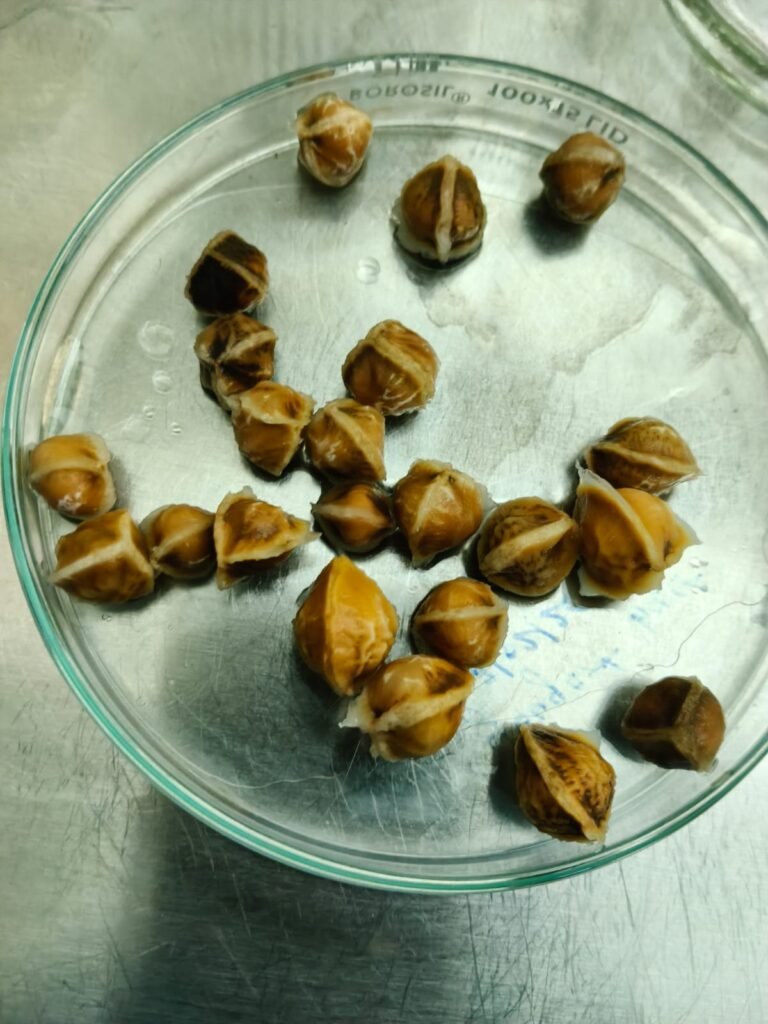
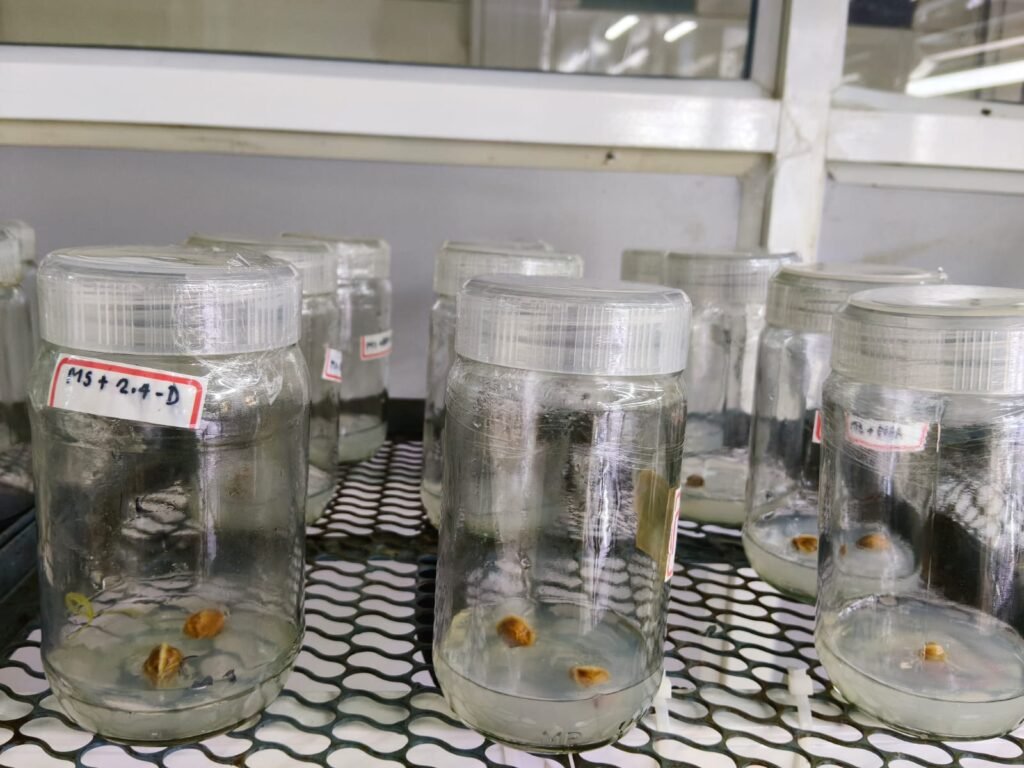
Explant Sterilization & Inoculation Protocol
Explant Source
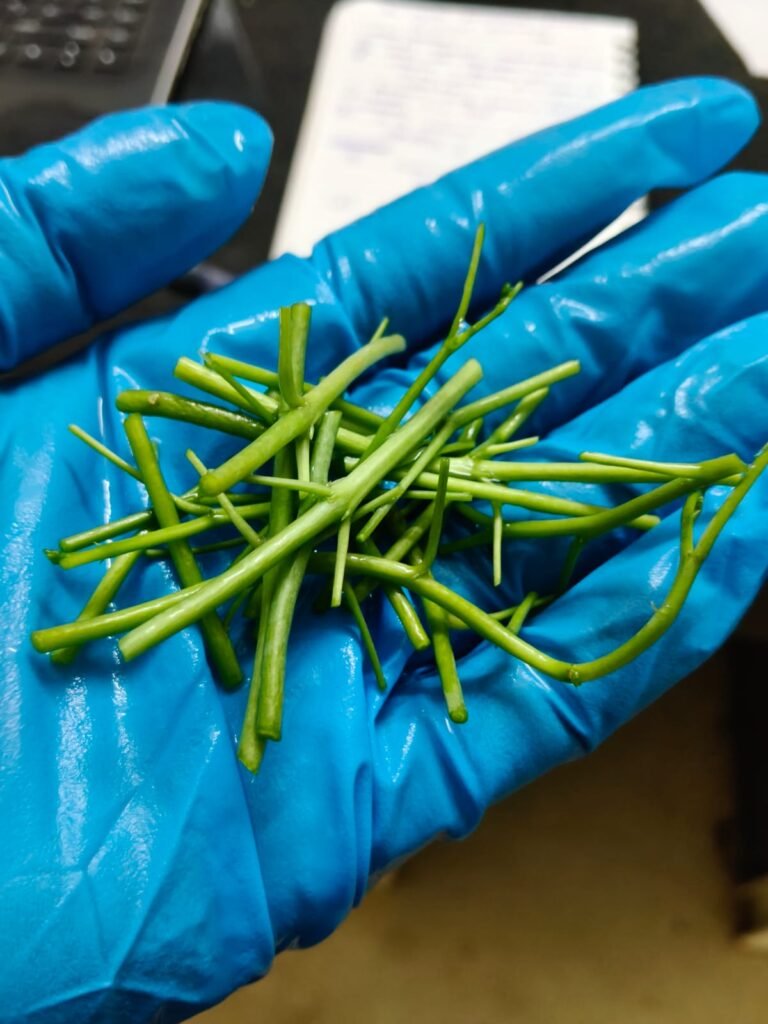
- Nodal segments (21 days old) from greenhouse plants
- Tender explants from field/outside plants .
Note: plants were sprayed with fungicide (Bavistin) one day prior to explant collection.
Why are 21-day-old explants used?
21-day-old nodal explants are used because the tissue is young, active, and highly responsive.
Reasons
- High meristematic activity: Cells divide rapidly, leading to faster shoot formation.
- Low contamination: Younger tissues have fewer microbes, making sterilization easier.
- Better hormone response: Explants respond quickly to hormones like BAP, NAA, and 2,4-D.
- Less lignification: Soft tissues allow better absorption of nutrients and hormones.
- High survival rate: Young explants adapt well and show better growth in culture.
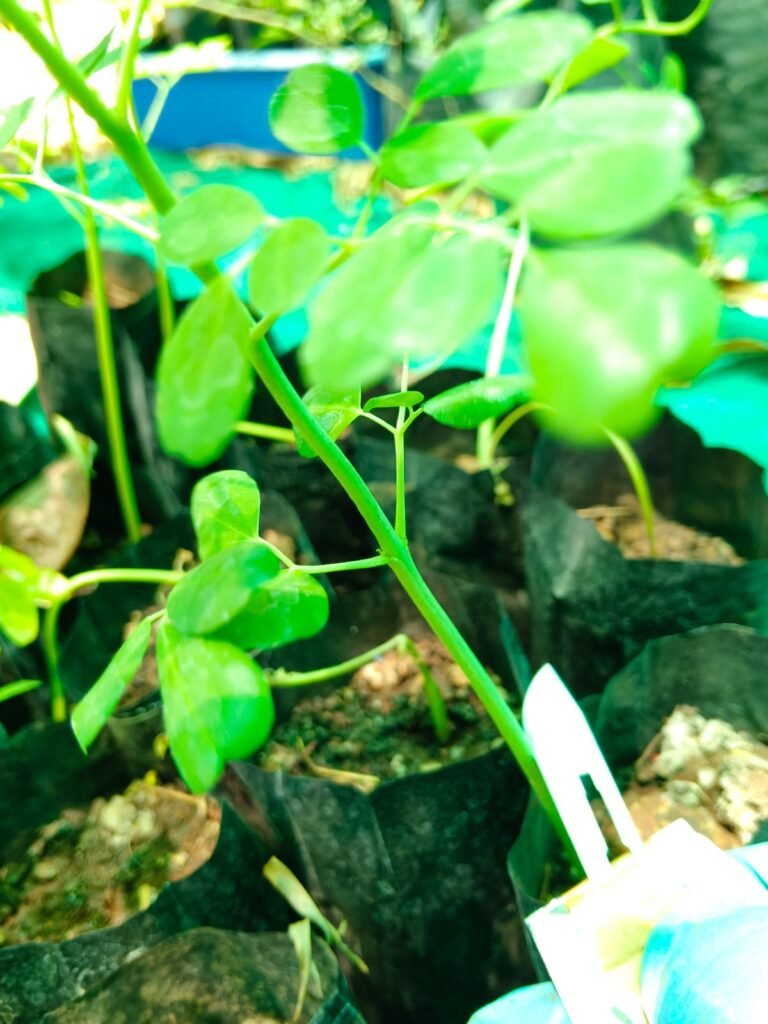
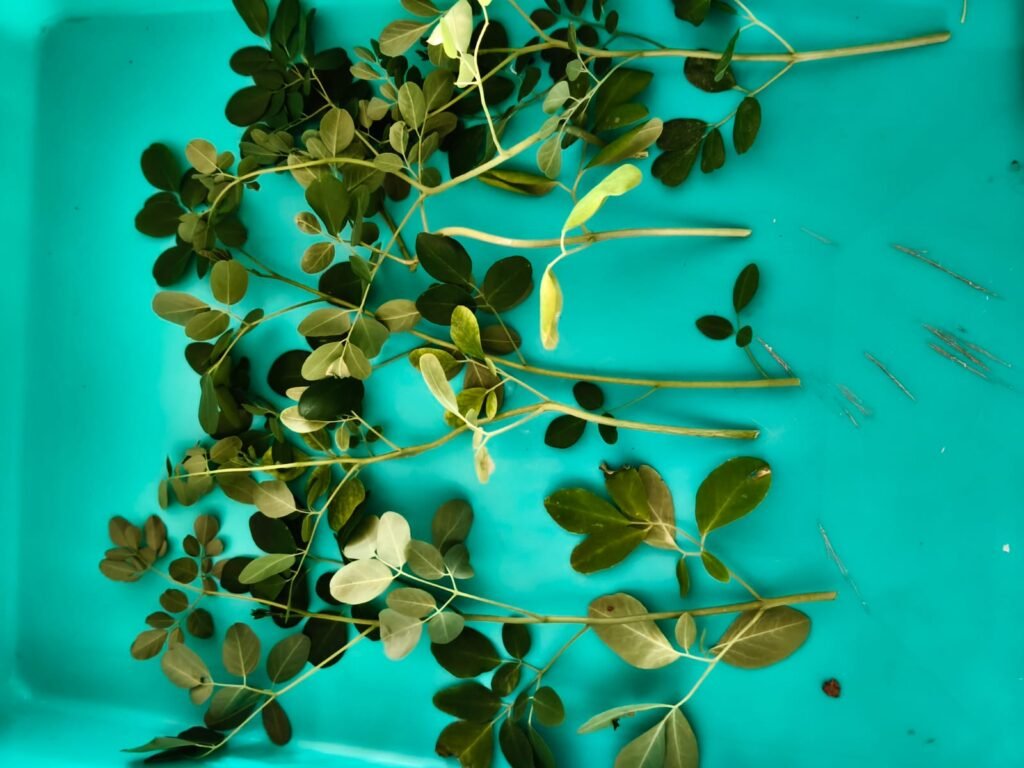
Surface Sterilization Procedure
- Nodal segments were excised from actively growing plants and cut into small pieces
(2-3 cm).
- Explants were rinsed with running tap water to remove dust and debris.
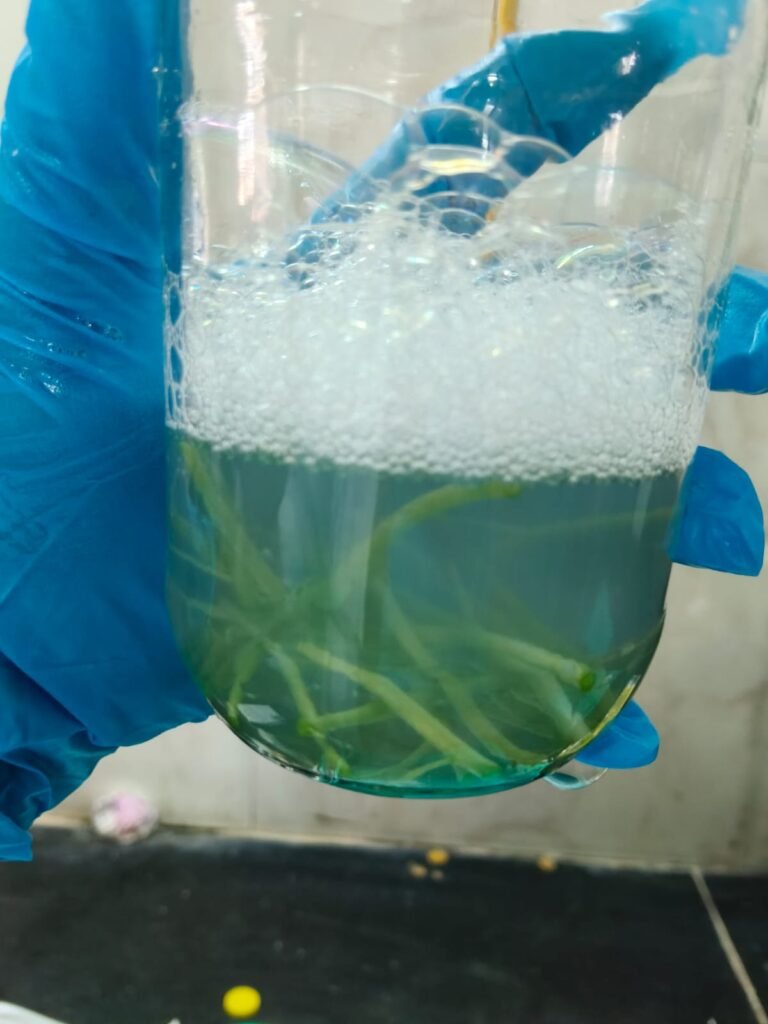
- Surface cleaning was done using 2–3 drops of Labolene + Bavistin (0.2 g/L) for 10 minutes.
- Explants were washed thoroughly with distilled water (3–4 times).
- Explants were surface sterilized using 70% ethanol for 30 seconds to 1 minute.
- Then treated with Sodium hypochlorite solution (1–2%) for 5–10 minutes.
(Few drops of Tween-20 can be added for better sterilization)
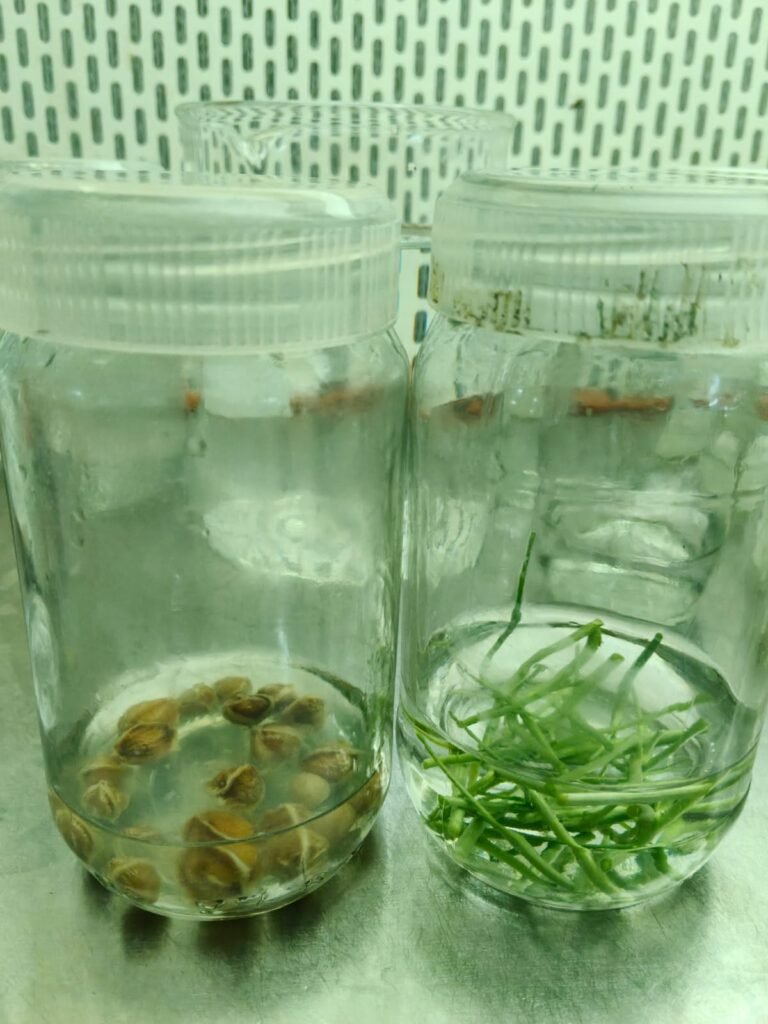
- Explants were rinsed 3–4 times with sterile distilled water to remove chemical residues.
- Surface-dried using sterile blotting paper.
Inoculation
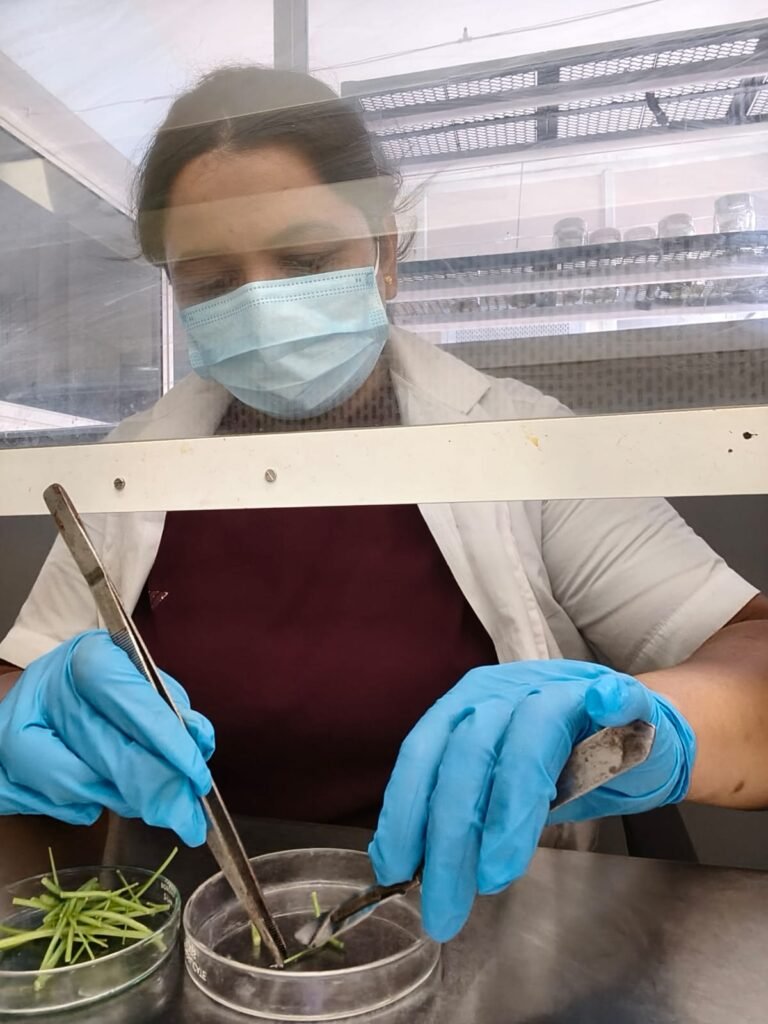
- Explants were inoculated aseptically into MS medium under laminar air flow.
- Cultures were incubated at 25 ± 2°C for 5 weeks.
3 June 2026
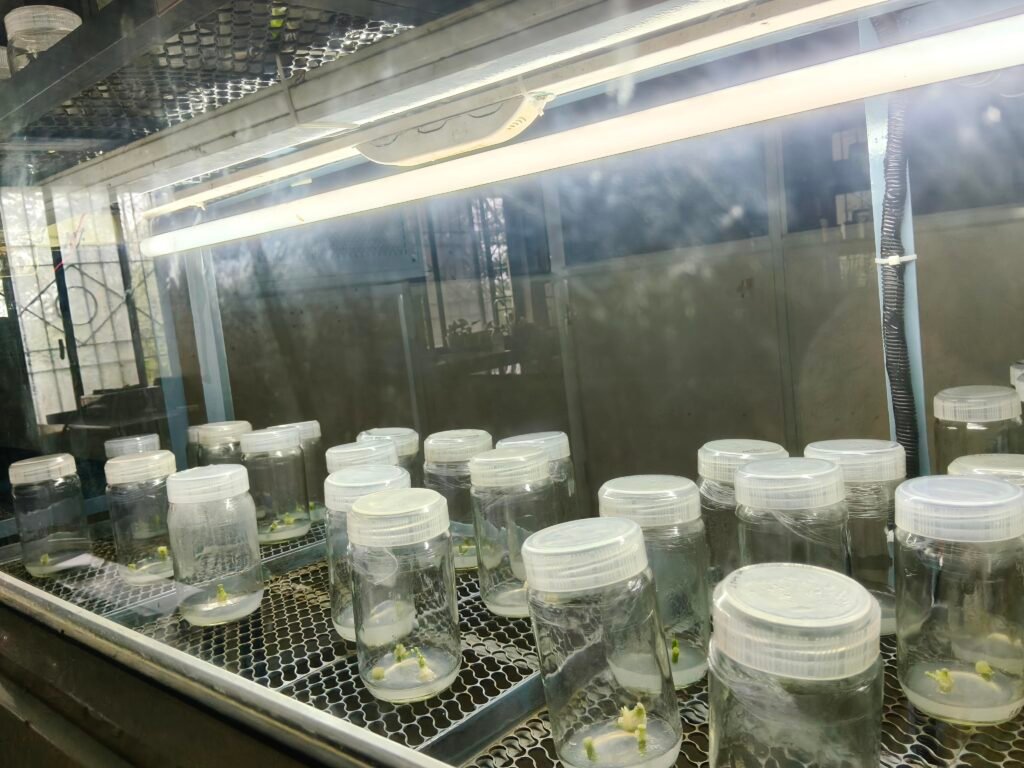
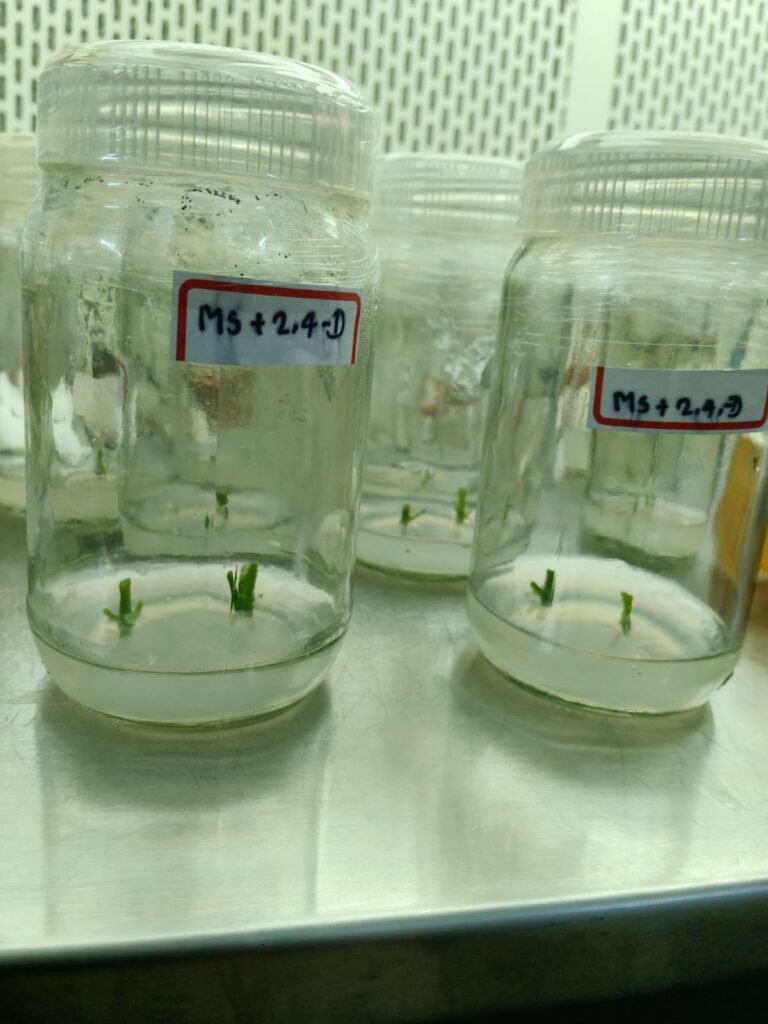
Conclusion : The in vitro culture trial of Moringa oleifera using seed and nodal segment explants was carried out successfully under aseptic conditions, and no contamination was observed in any of the cultures. However, even after 20 days of incubation, the seed explants did not show dormancy breaking or germination response. In contrast, nodal segment explants showed visible growth and better response under culture conditions within 20 days. Similar studies on Moringa tissue culture have also reported better regeneration and shoot proliferation from nodal explants compared to seed explants under MS media supplemented with plant growth regulators. Therefore, nodal segments were found to be more suitable explants for further micropropagation trials of Moringa under in vitro conditions.
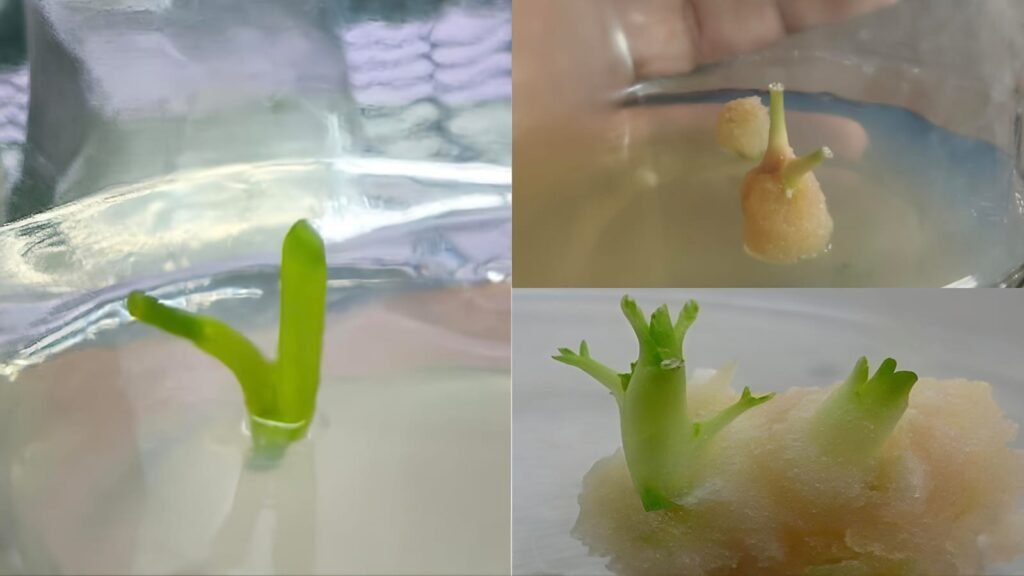
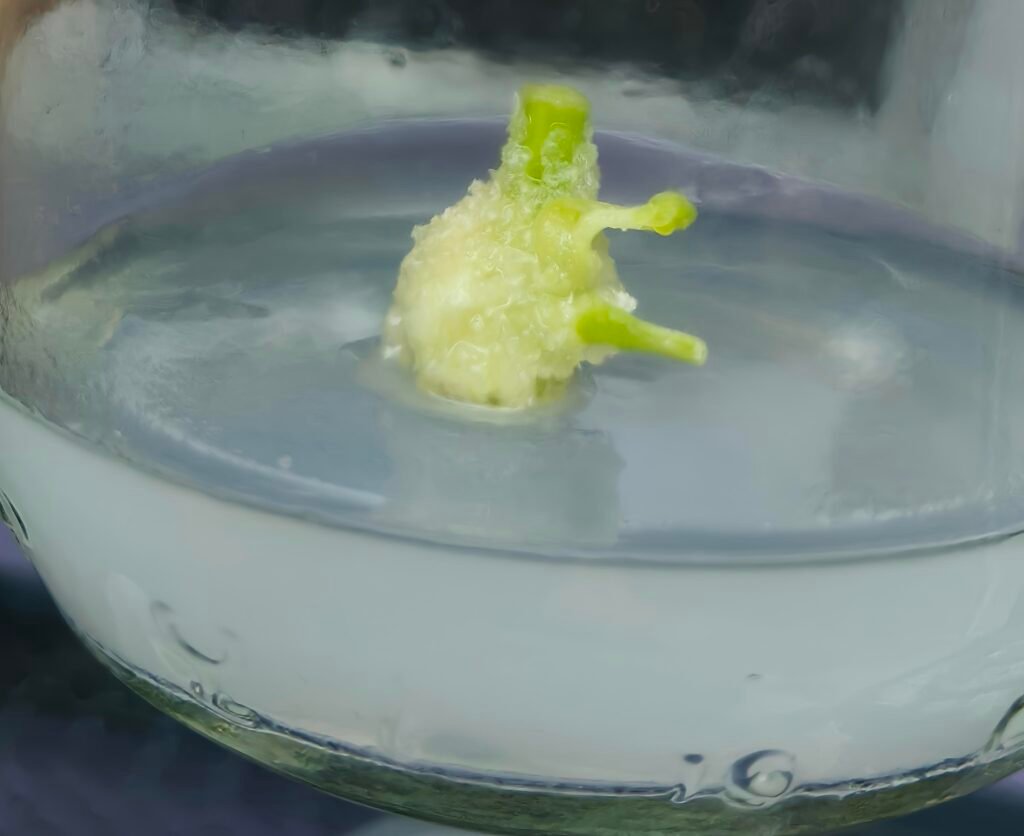
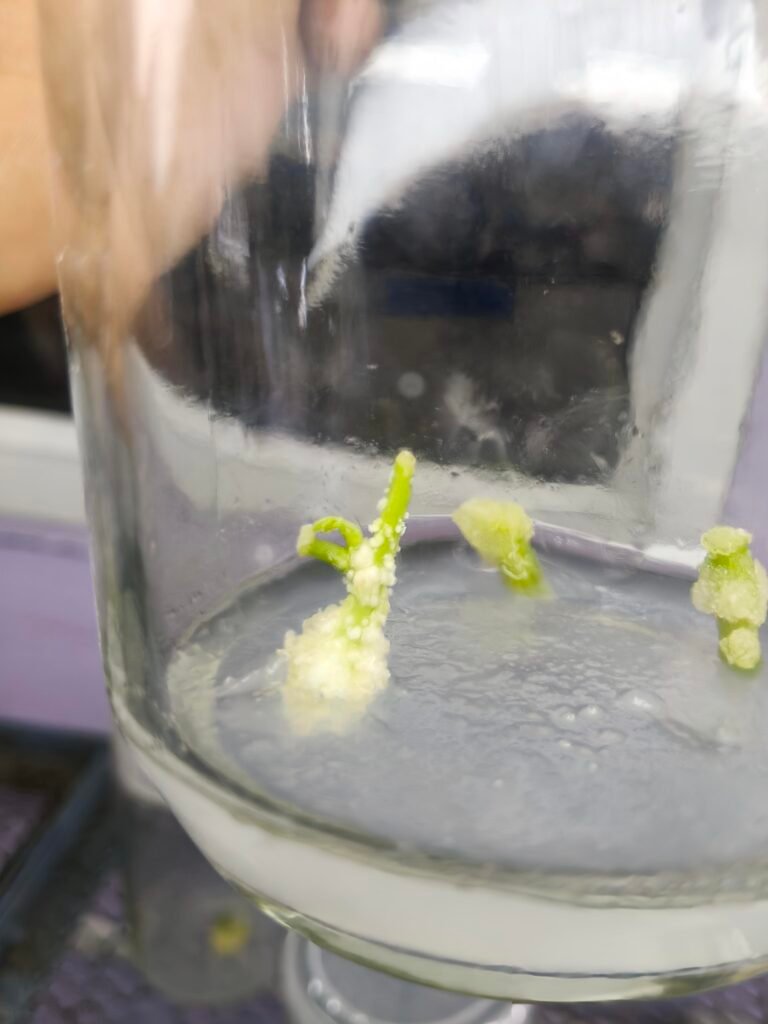
The process is generally observed in the following sequence : Explant swelling , Callus formation , Green spot formation ,Shoot regeneration
Date: 10 June 2026
A discussion was held with Dixit Sir regarding the progress of the plant tissue culture work. The following points were discussed:
- Maintain the cultures under a 16-hour light and 8-hour dark cycle (16/8 photoperiod).
- Transfer the cultures to fresh media after 2 weeks (subculture).
- After proper shoot development, transfer the shoots to IBA-containing rooting media for root induction.
Date : 20 June 2026
Why was NH₄NO₃ (Ammonium Nitrate) increased in Moringa tissue culture?
In plant tissue culture, NH₄NO₃ is the primary source of nitrogen, supplying both ammonium (NH₄⁺) and nitrate (NO₃⁻) ions, which are essential for cell division, protein synthesis, chlorophyll formation, and shoot development.
For Moringa oleifera, increasing the NH₄NO₃ concentration can be beneficial because:
- Enhances cell division and callus proliferation by providing readily available nitrogen.
- Promotes faster shoot initiation and shoot multiplication in nodal explants.
- Supports vigorous growth of young tissues with higher metabolic activity.
- Improves chlorophyll synthesis, resulting in healthier green shoots.
- Optimizes the NH₄⁺:NO₃⁻ balance, which can improve nutrient uptake and regeneration efficiency.
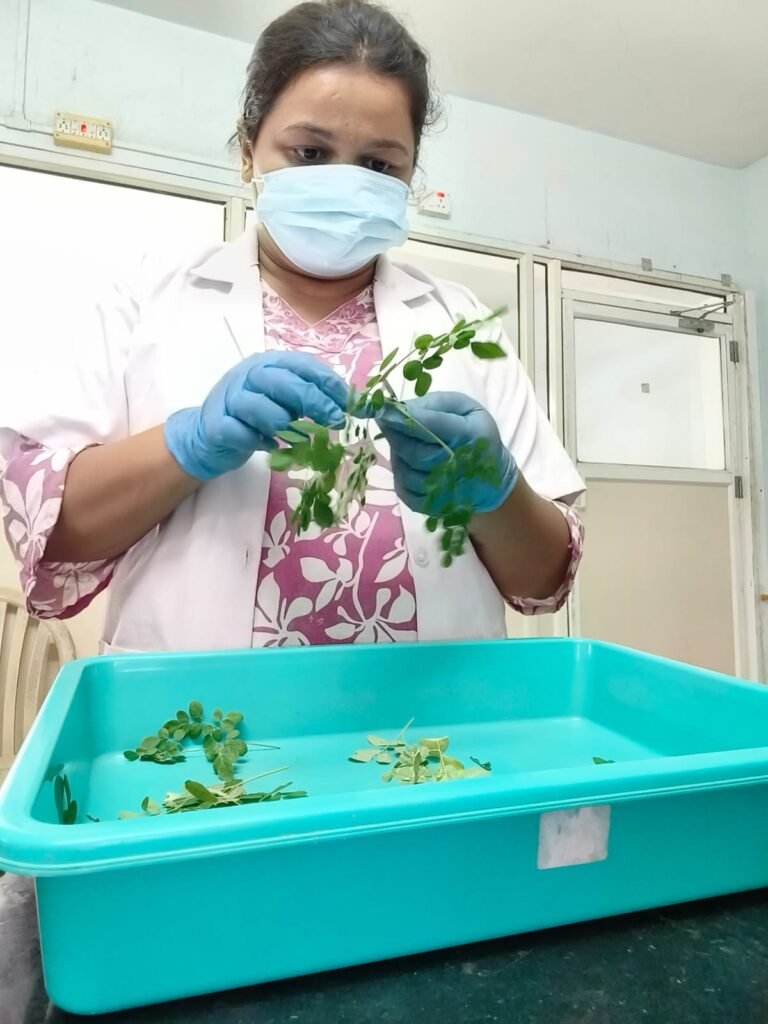
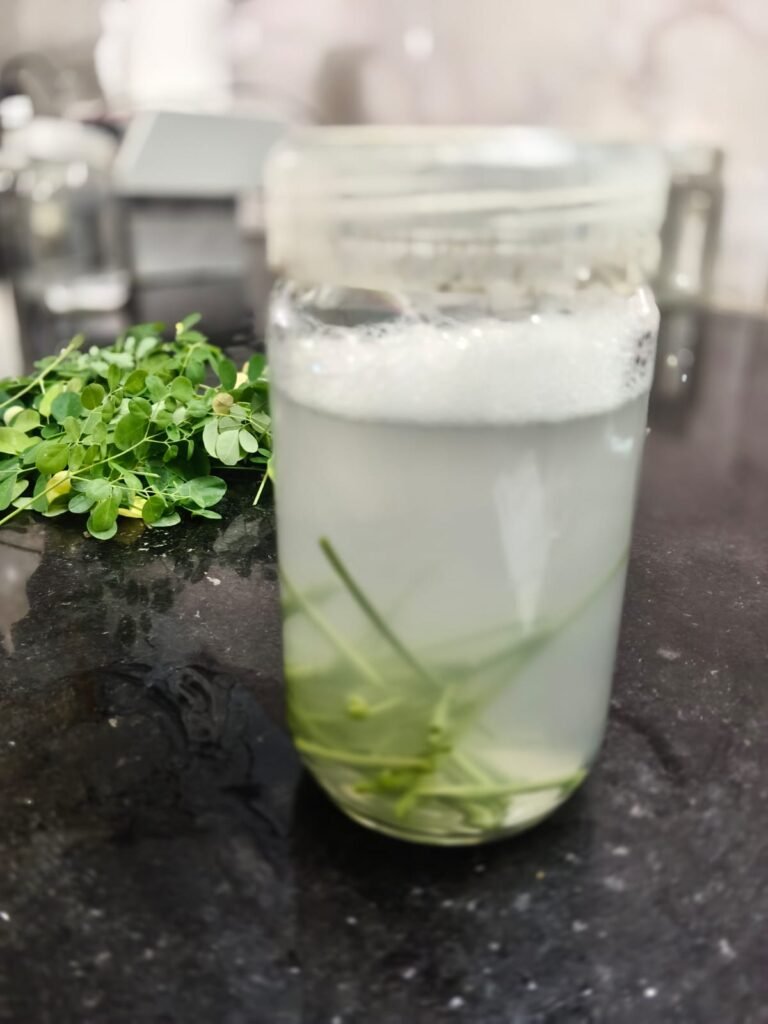
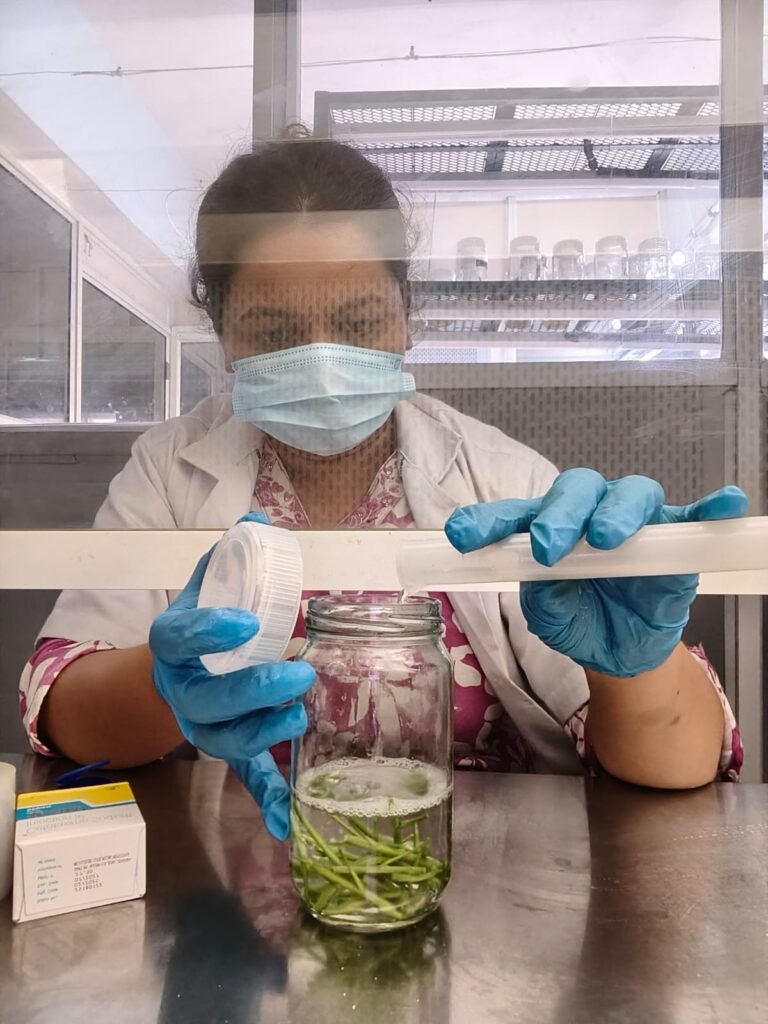
The explant sterilization and inoculation protocol was repeated using MS medium with an increased concentration of NH₄NO₃ (Ammonium Nitrate). All other media components, sterilization steps, and incubation conditions remained the same.
3 July 2026
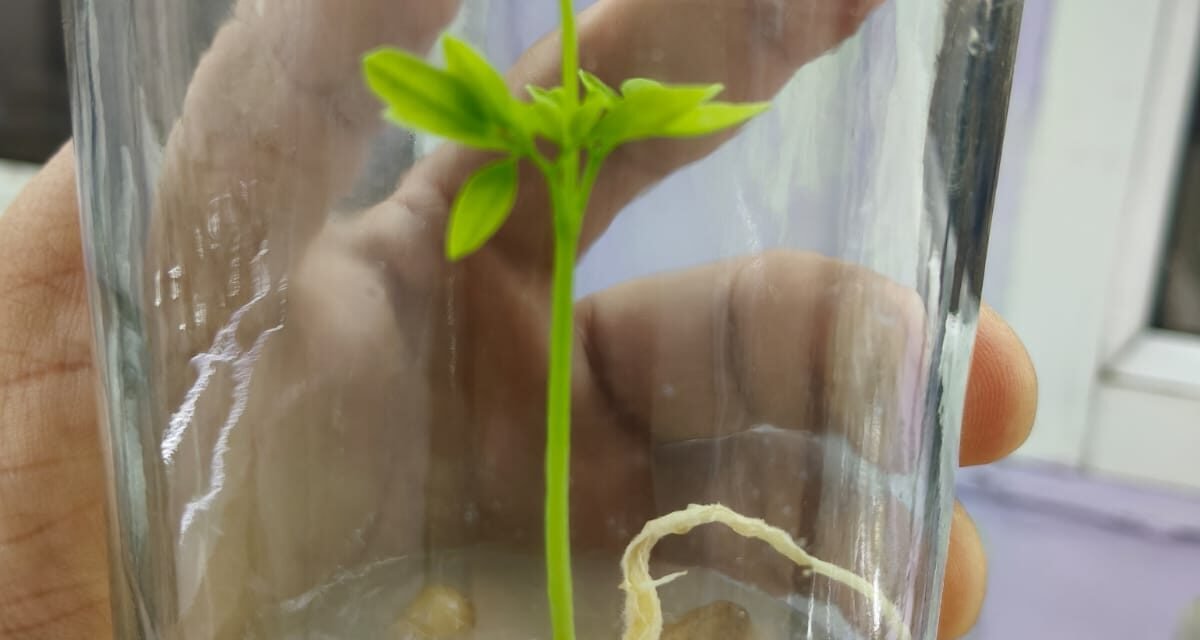
A trial was conducted by increasing the concentration of ammonium nitrate (NH₄NO₃) in the MS medium from 1710 mg/L to 1790 mg/L to improve the in vitro growth of Moringa oleifera. The NH₄NO₃ content in the 250 mL Stock I solution was increased from 21.375 g to 22.375 g , while all other media components and culture conditions were kept unchanged. After inoculation, the explants showed healthy green shoot initiation with the emergence of multiple shoots and enhanced shoot development compared to the previous trial. The shoots were vigorous, healthy, and exhibited improved regeneration efficiency. These observations indicate that the increased NH₄NO₃ concentration provided a more suitable nitrogen supply for cell division, chlorophyll synthesis, and overall shoot development in Moringa oleifera. Overall, the trial demonstrated improved shoot regeneration and healthy explant growth.