11/06/2025 to 17/06/2025
Built and fixed Data Logger
Building your own hardware from scratch sounds exciting—and it is—but it’s also full of surprises. I recently created a data logger, and the journey from wiring up components to fixing unexpected power issues was a great learning experience.
Starting With Some Help
I didn’t start completely from zero. I had access to some documentation created by Mr. Suhas, which was super helpful in understanding what components were needed and how everything was supposed to work. It gave me a solid base to build on, and from there, I started putting the pieces together.
Assembling the Logger
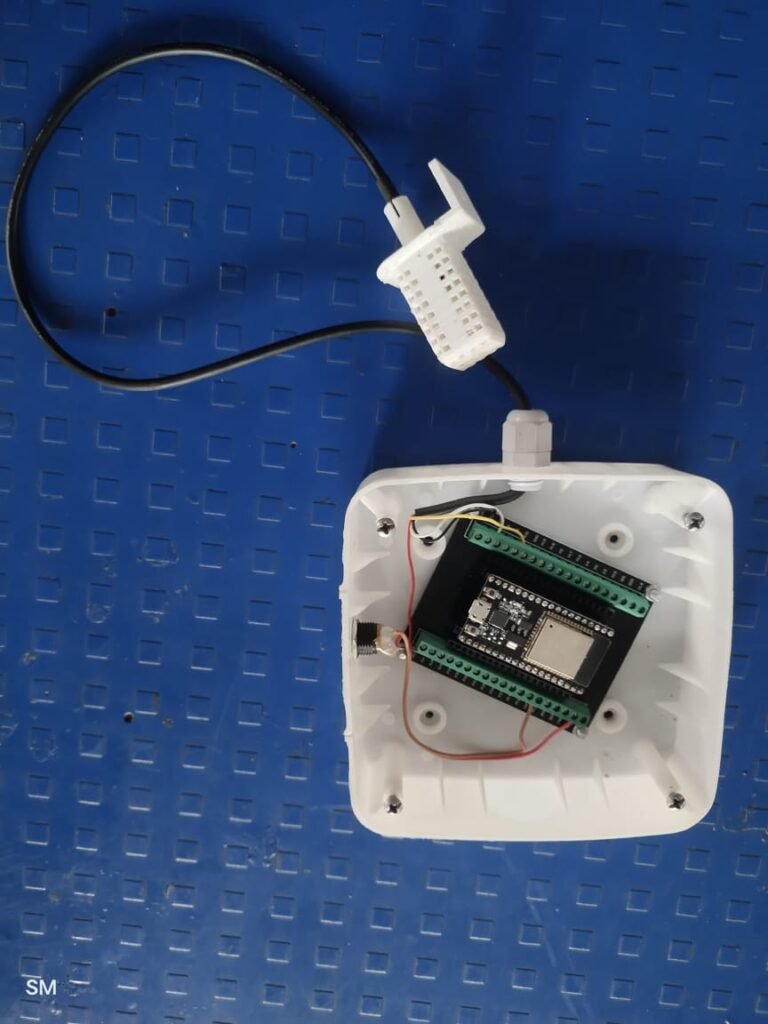
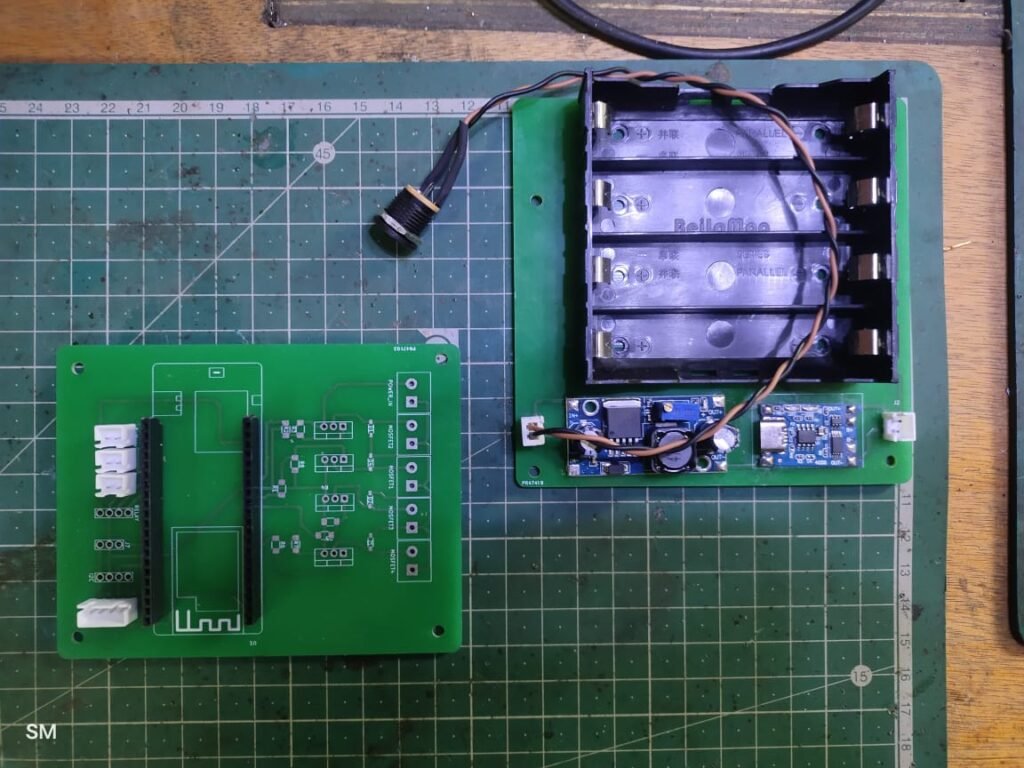
Next came the hands-on part. I soldered and assembled all the components onto the PCB. This part was both satisfying and stressful—satisfying when everything fit perfectly, stressful when I wasn’t sure if a joint was solid enough or if a component was a little off. But after double-checking everything, I powered it up and… it actually worked!
Testing in the Lab
With the basic setup complete, I moved on to testing it in the lab. I wanted to make sure the logger was recording data properly, handling sensor inputs, and running smoothly. I made a few tweaks here and there to improve stability, and things were looking good. But of course, lab conditions are always a bit too perfect.
Taking It Outside
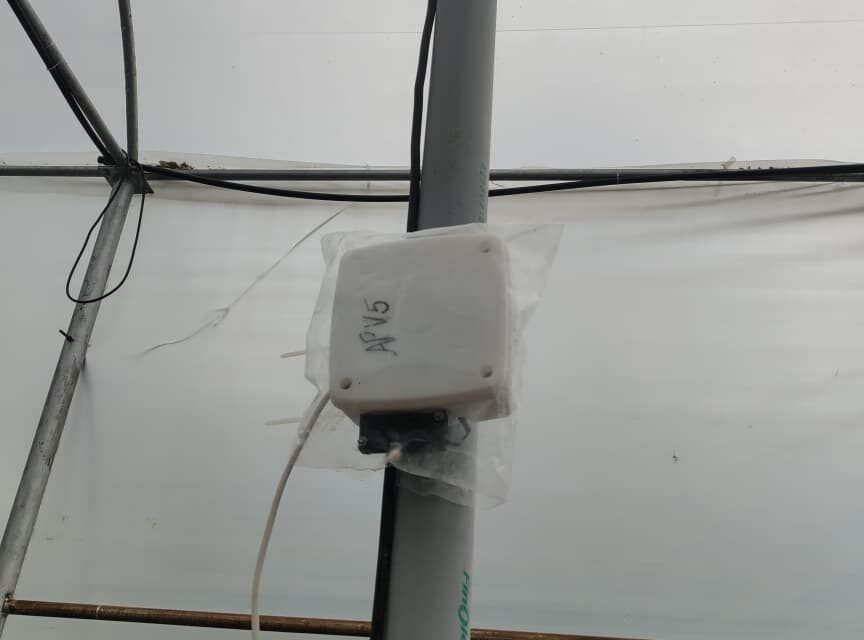
To really see how reliable the logger was, I tested it in outdoor conditions. That’s when reality hit. The device worked, but not always perfectly. One big issue popped up that I hadn’t fully anticipated: power fluctuations.
Out in the real world, the power supply wasn’t as stable as it was in the lab. And these fluctuations were actually damaging the power supply circuit. Not good.
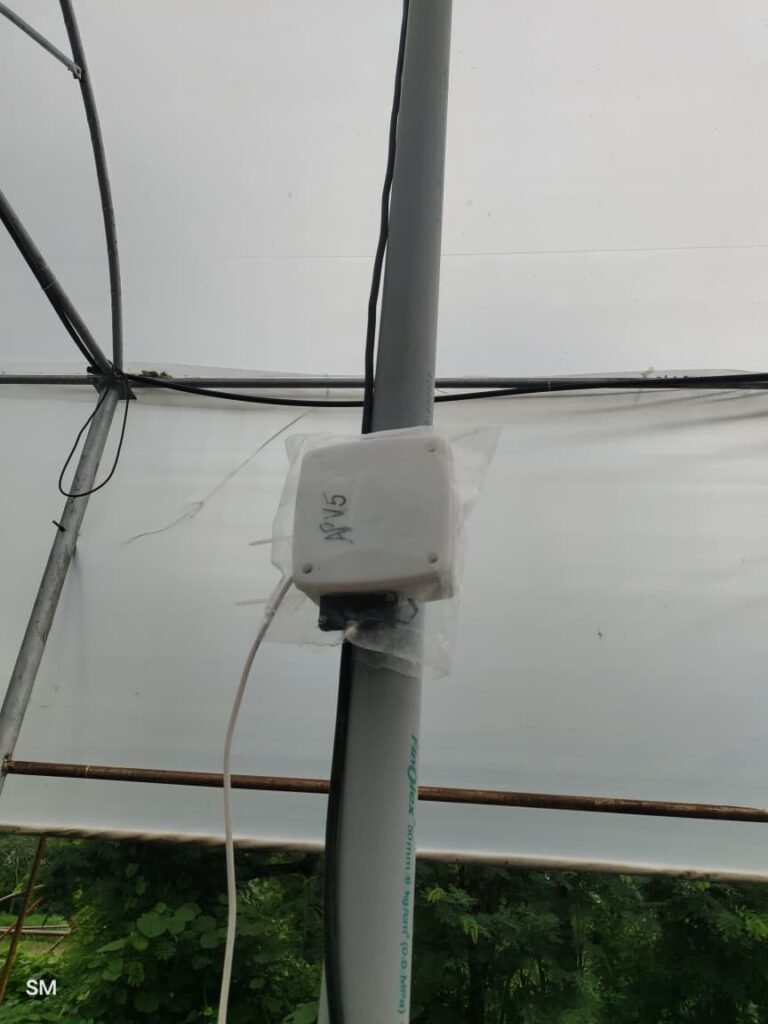
Solving the Power Problem
After a bit of frustration (and a lot of Googling), I figured out a fix. I added a fuse and a MOV (metal oxide varistor) to the power input. The fuse would cut off the current if something went wrong, and the MOV would protect the circuit from voltage spikes. Once I added those, the power issues were gone. It was a simple solution, but it made a big difference in protecting the hardware.
Wrapping Up
Looking back, this project taught me a lot more than just how to build a data logger. I learned the importance of real-world testing, how to troubleshoot hardware issues, and why small protection components like fuses and MOVs can save your entire project.
If you’re building something similar, my advice is: don’t skip the testing phase, and always prepare for things not going as planned. Because when things do go wrong (and they will), that’s where the real learning happens.