Background
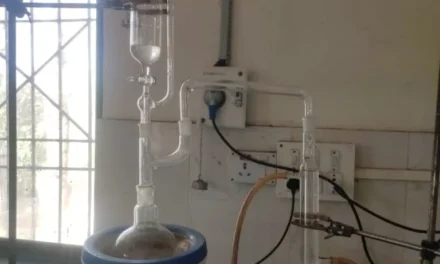
The Vibro Thermal Disinfector (VTD) is a machine developed at Vigyan Ashram for disinfecting grains like wheat and rice without using any chemicals. It works on two simple principles — heat and vibration. You can read about the original VTD design here.
Grains are poured from a hopper at the top and travel through a series of vibrating trays inside a heated chamber. By the time grains exit from the bottom, they are disinfected by the heat they were exposed to during their journey.
The original VTD heating system consisted of four heaters. However, during testing, it was observed that the heat generated by the existing system was not sufficient to provide reliable disinfestation. In some cases, insect activity was observed again a month after treatment, indicating that the heating process required further optimization.
This led to an investigation of alternative heating methods, beginning with ceramic heaters and later moving to infrared (IR) lamps.
Problem Identification
The main challenge was not simply to increase the heater temperature, but to develop a heating method that could:
- Deliver sufficient heat to the insects.
- Provide adequate thermal exposure to the insects to reduce their water content and cause mortality.
- Maintain a suitable thermal environment inside the chamber.
- Achieve insect mortality within a practical processing time.
- Reduce variation caused by changing ambient conditions.
Based on these requirements, different heating strategies were tested systematically.
3/9
Experimental Setup
Initial experiments were conducted using a scrapped laboratory oven
A ceramic heater was mounted on the upper interior surface of the chamber. The heater was positioned so that its radiation was directed downward toward the grain tray.

The same mounting arrangement was later used for the IR lamp trial. Keeping the mounting location and general setup unchanged helped provide a basis for comparing the two heating approaches.
During the trials, temperature measurements were taken using a TP-300 probe for monitoring the grain surface temperature, while a separate thermometer was used to monitor the chamber air temperature. Insect behavior was also observed throughout the heating process.

6/9
1: Duty-Cycle Heating
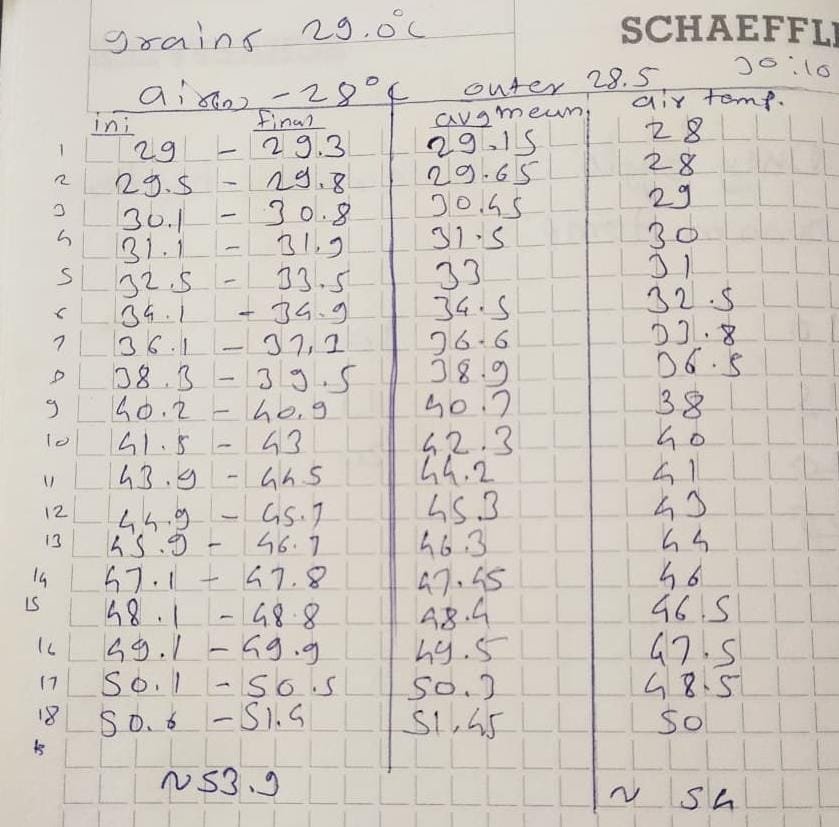
The first approach used intermittent or duty-cycle heating. The ceramic heater was switched ON for 30 seconds and OFF for 10 seconds, with one ON/OFF sequence considered one cycle.
An important observation was that the number of cycles required to reach the target condition depended strongly on the ambient temperature.
Under relatively cooler conditions, with an ambient temperature of approximately 29°C, as many as 22 cycles were required.
During warmer afternoon conditions, when the ambient temperature was approximately 33–34°C, fewer cycles were required.
This demonstrated that the duty-cycle method was highly influenced by environmental conditions. As a result, the process was inconsistent and could require significantly more time on cooler days.
7/9
2: Pre-Heating the Chamber Before Tray Insertion
To reduce the effect of ambient conditions and improve repeatability, a second approach was tested.
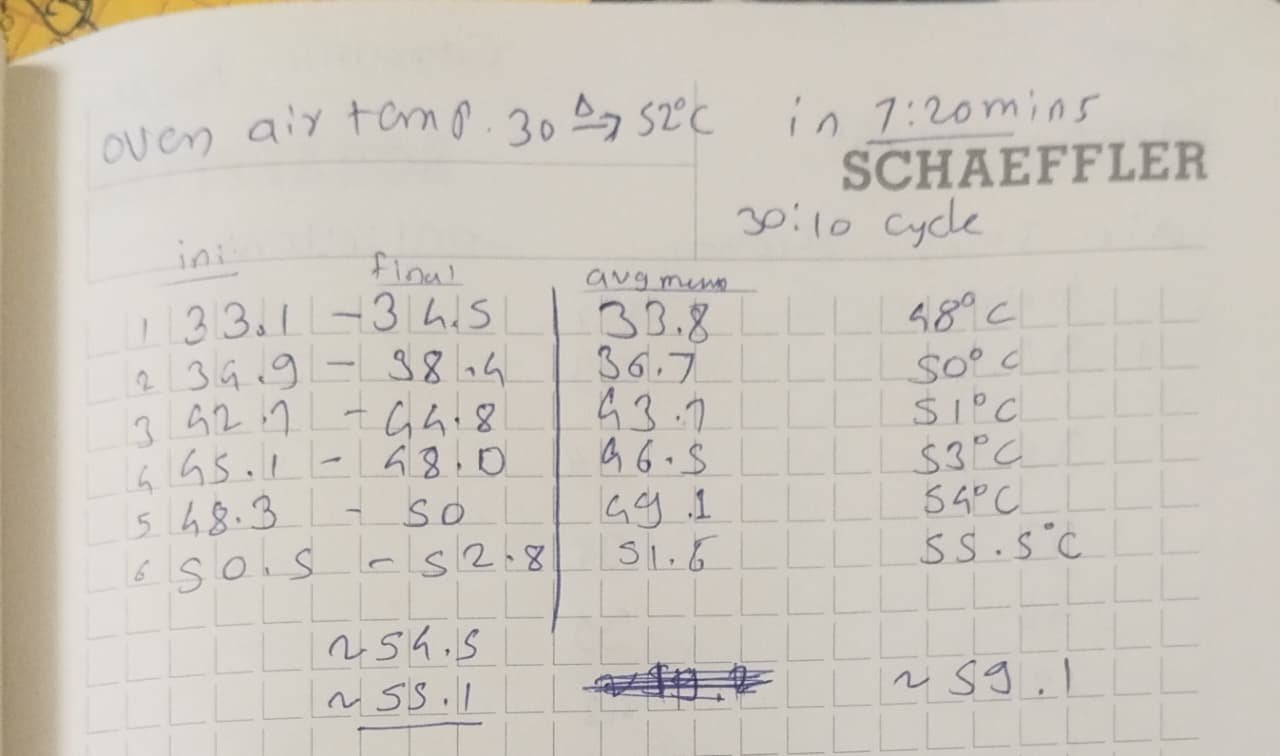
In this method, the chamber was first heated to approximately 50°C before inserting the grain tray.
The chamber required approximately 7 minutes 20 seconds to reach 50°C. When the tray was inserted, the chamber temperature dropped by approximately 2°C because of the introduction of the cooler tray and grain.
After inserting the tray, the TP-300 probe was positioned to monitor the grain surface temperature, while a separate thermometer continued to monitor the air temperature.
With the chamber already pre-heated, the required heating cycles decreased significantly from approximately 22 cycles to 7–8 cycles, corresponding to roughly 8 minutes of additional heating.
This was a considerable improvement. However, the process still had one limitation: opening the chamber and inserting the tray after pre-heating resulted in a measurable heat loss.
8/9
3: Tray-In Continuous Heating
Based on the previous results, the next approach was to eliminate the heat loss associated with tray insertion.
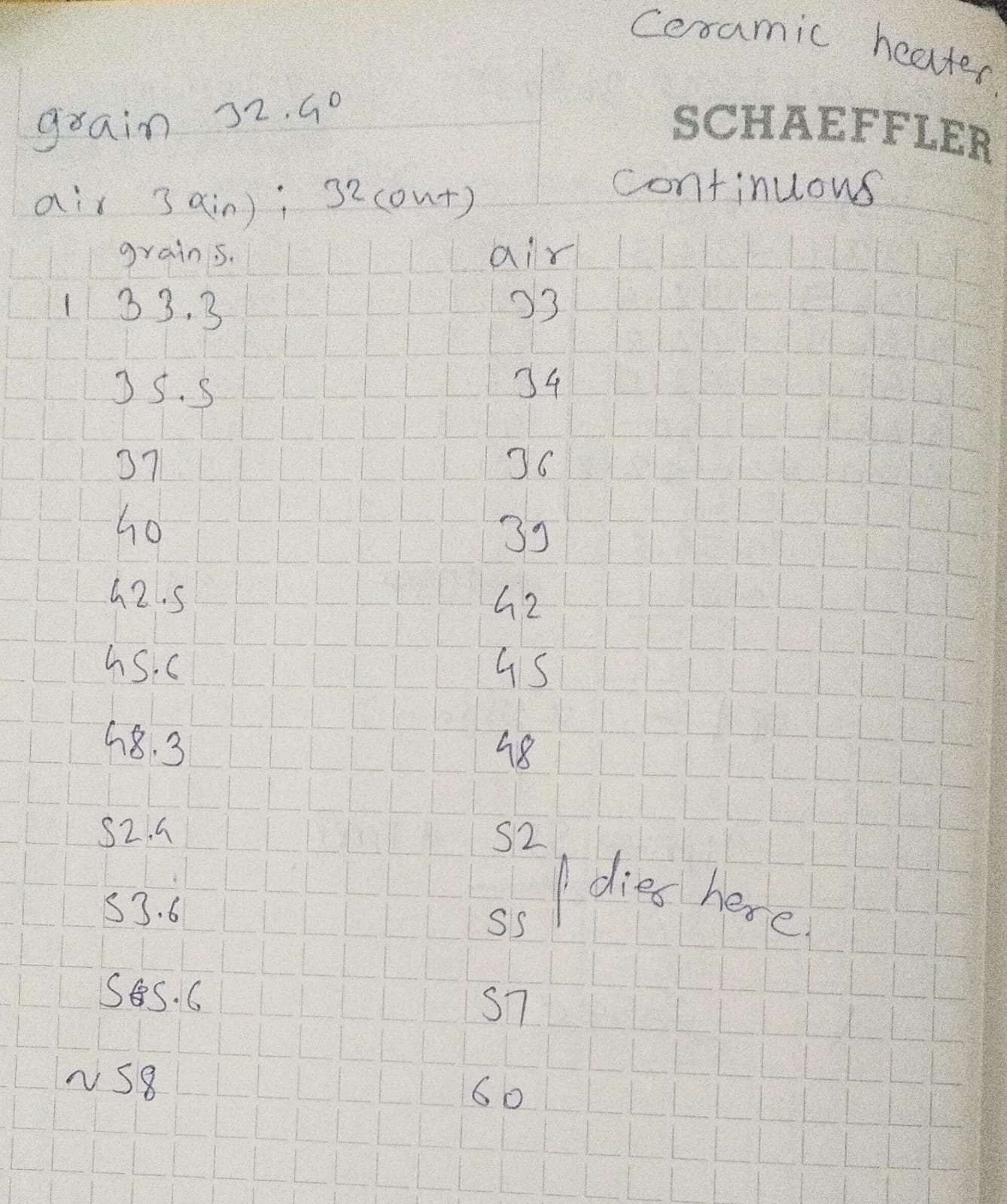
Instead of pre-heating the empty chamber, the grain tray was placed inside the chamber before heating began. The ceramic heater was then operated continuously rather than using the 30-second ON / 10-second OFF duty cycle.
This approach avoided the need to open the chamber after pre-heating and therefore minimized the associated heat loss.
The equivalent heating duration was 10 minutes. Temperature and insect observations were recorded at one-minute intervals.
The parameters monitored were:
- Grain surface temperature
- Chamber air temperature
- Insect activity and condition
Observations
As the temperature increased, a clear change in insect behavior was observed.
At approximately 47–48°C, insect activity noticeably increased. The insects became more agitated and showed signs of thermal stress.
As the temperature increased further, insect movement gradually decreased, and the insects became inactive.
At approximately 50–52°C, full mortality was observed during the trial.
The complete process from the beginning of heating to observed insect mortality took approximately 10 minutes.
This tray-in, continuous-heating method provided the fastest and most effective result among the ceramic-heater approaches tested so far.
10/9
Following the trials with ceramic heaters, the next stage of the VTD heating-system development focused on exploring microwave heating as an alternative method for grain disinfestation.
After discussion with Dixit Sir, it was decided to conduct trials using a microwave oven to understand how quickly the grain and insects respond to microwave energy. The objective was to generate initial experimental data that could help determine whether microwave technology could be considered for the future development of an industrial-scale VTD system.
Microwave Trial
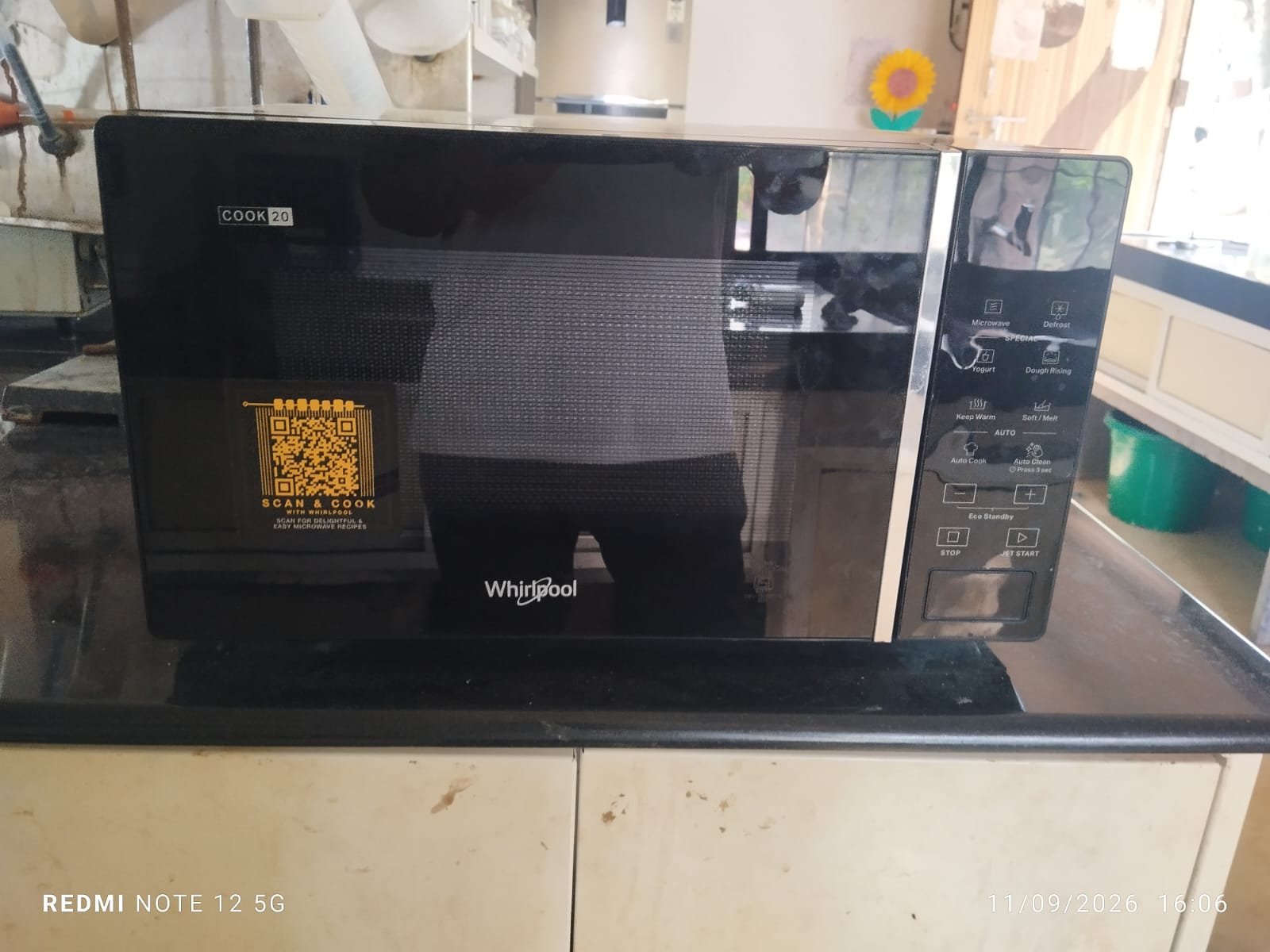
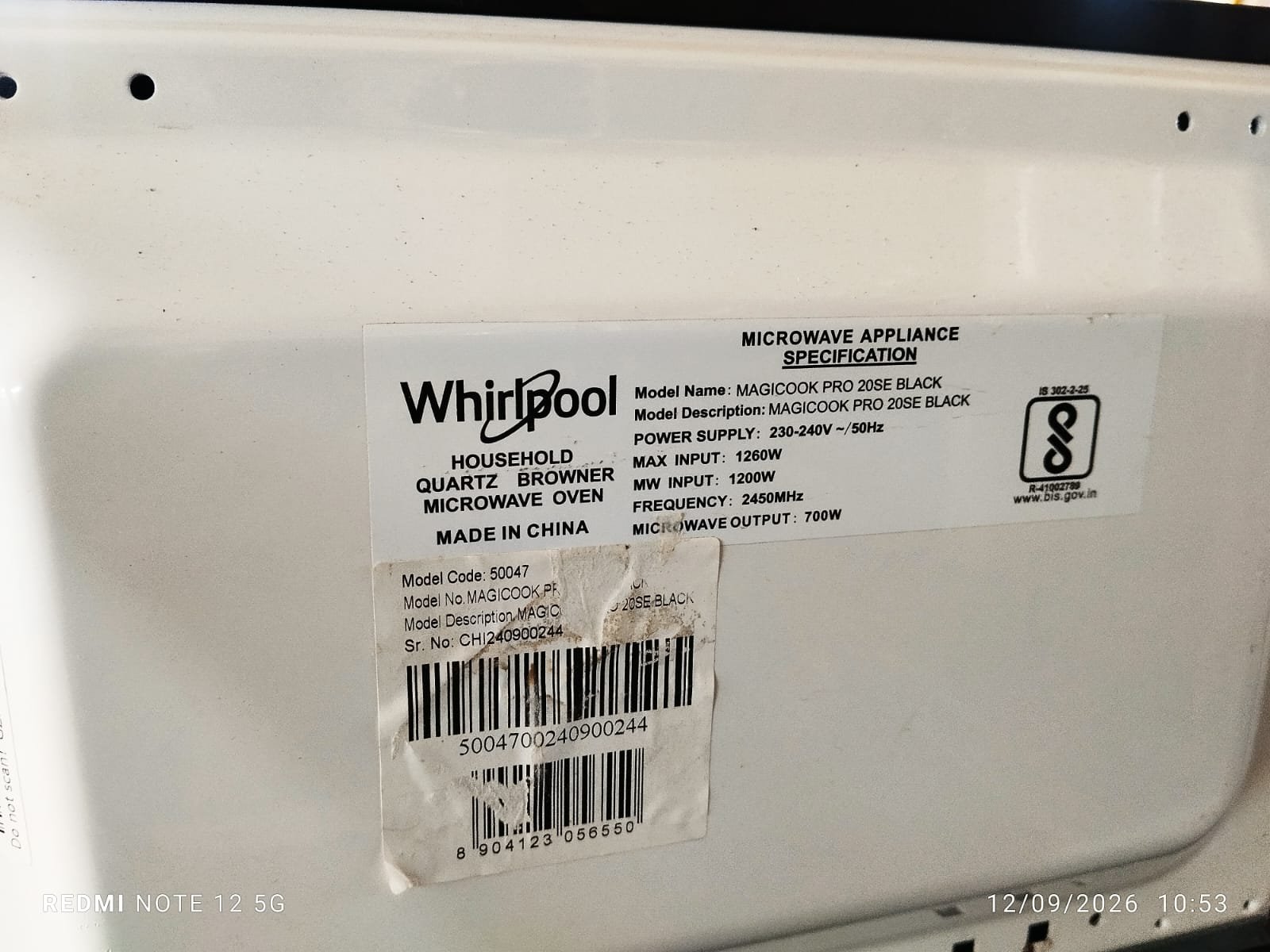
A trial was conducted using Whirlpool Magicook Pro 20SE to evaluate the effect of microwave heating on grains containing insect pests.
During the initial trial, insects were exposed to microwave heating. A rapid response was observed: the insects became inactive and were observed to die within approximately 10 seconds of microwave exposure.
This result was significantly different from the earlier conventional heating trials, where the grain and surrounding chamber required several minutes to reach the required temperature range.
The rapid response indicated that microwave heating could be a promising technology for further investigation.
13/9
Preparation of a Grain Batch for Long-Term Observation
To further evaluate the effectiveness of microwave treatment, a larger batch of grain was processed.
The grain was treated using the microwave in 15-second exposure intervals. The process was carried out plate by plate, with each batch being placed inside the microwave for the specified exposure period and then removed before processing the next batch.
This process was repeated until approximately 1kg of grain had been treated. The complete treated grain batch was then placed in a biobag for storage and observation. The purpose of this long-term observation is to determine whether insect infestation reappears after treatment.
The treated grain will be monitored for approximately one month. The main objective of this observation is to check whether insects or signs of reinfestation appear after microwave treatment.
Following the preliminary trials, another discussion was held with Dixit Sir regarding the specifications required for an industrial microwave system.
The discussion focused on identifying the appropriate specifications for a system that could potentially be integrated into the VTD process.
15/09
discussed the experimental plan with Shreyash Sir. It was decided that I would initially conduct microwave trials using different exposure times for this time, mainly 15-second to 30-second trial. The treated samples would then be collected and maintained separately in a biobag for further observation.
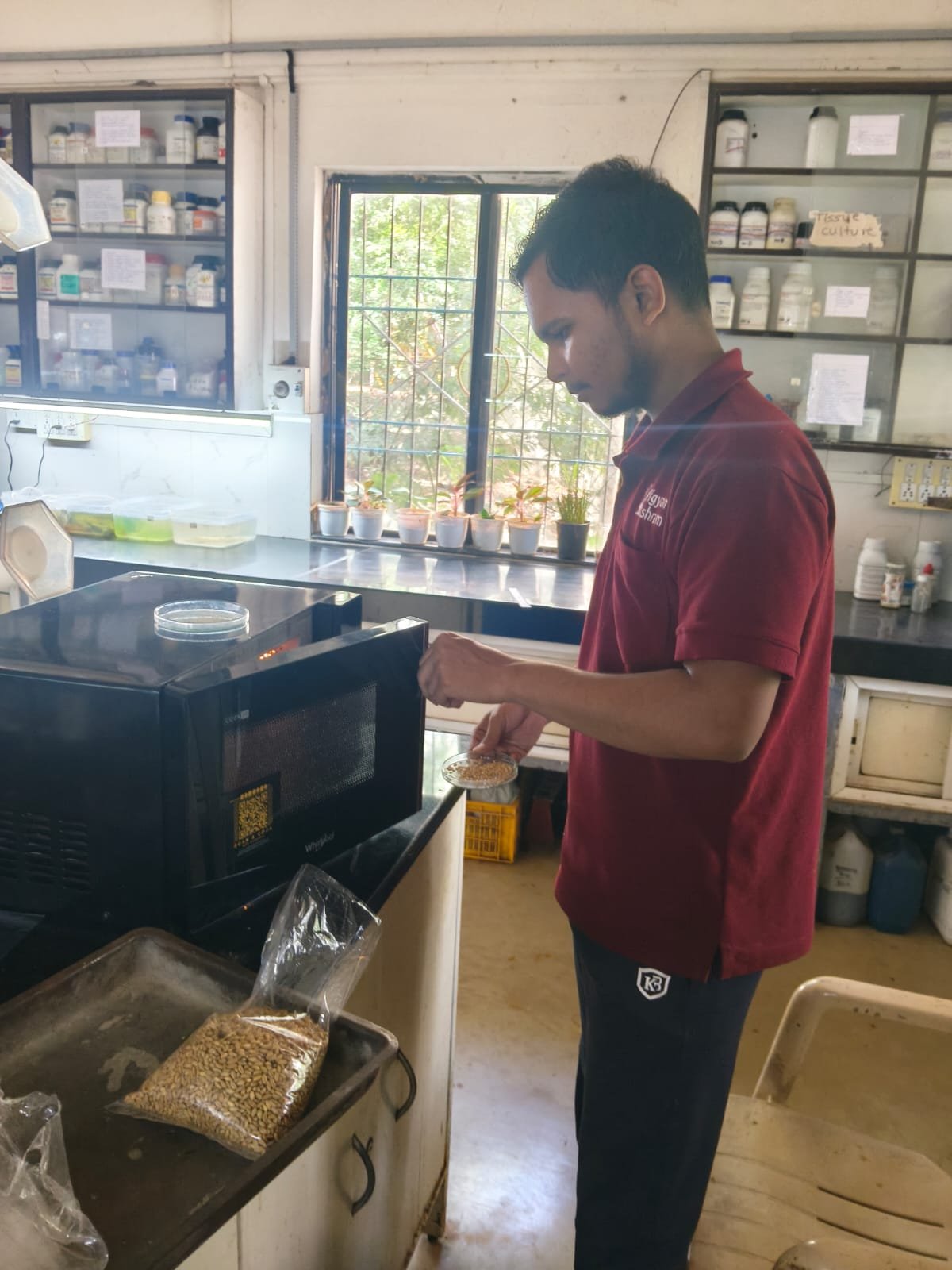
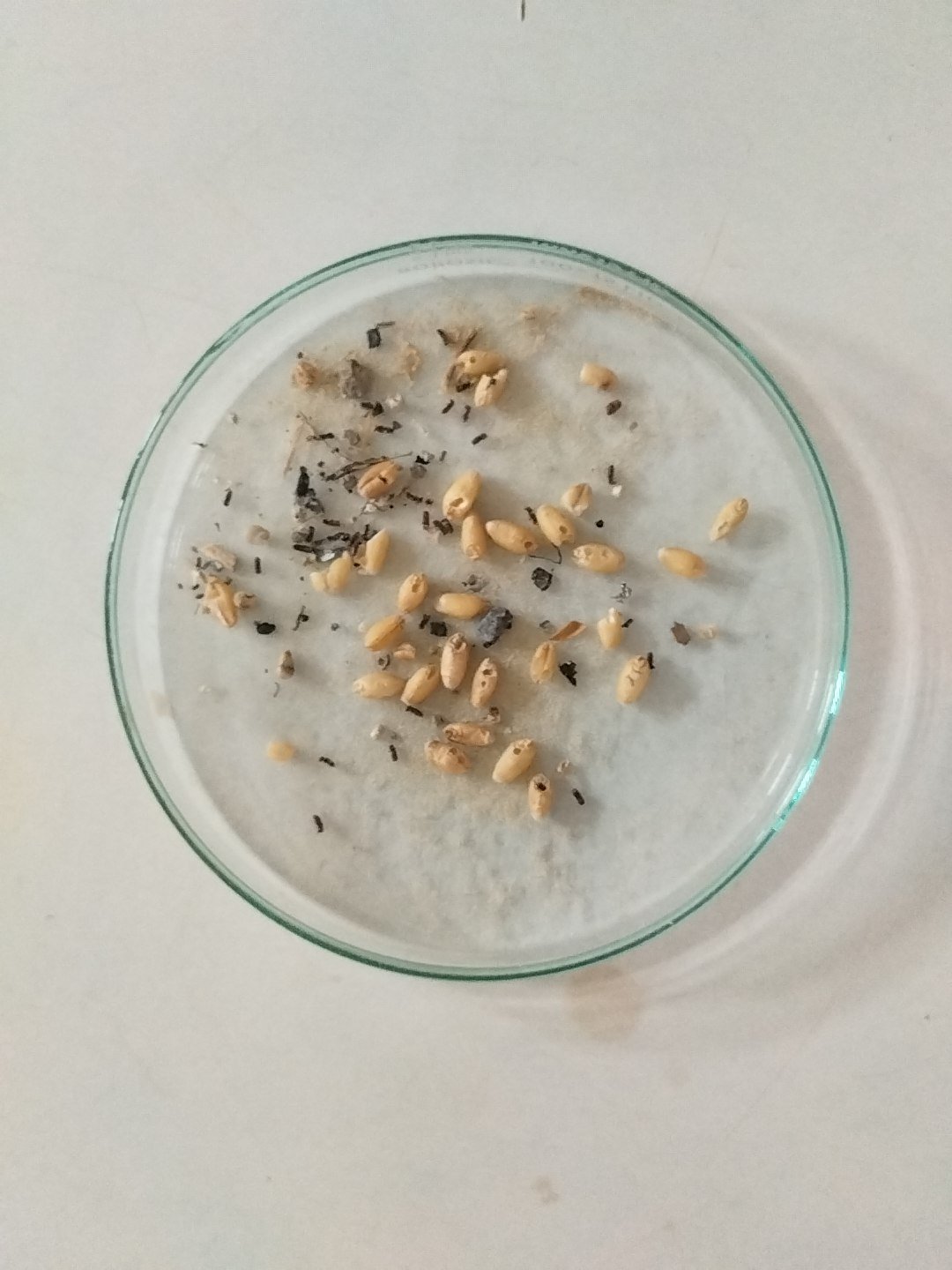
After preparing the initial samples, I discussed the experimental approach with Niraj Sir. During this discussion, he suggested that testing only a single layer of grain would not provide sufficient information about the microwave treatment. He advised considering grain depth as an additional experimental parameter, since the depth of the grain could affect microwave penetration, heating, and the required treatment time.
Based on this suggestion, experiments were conducted using different grain depths of 0.5 cm, 1 cm, 2 cm, and 3 cm. The purpose was to understand how the microwave treatment response changed as the depth of grain increased. The results from these trials provided useful preliminary information about the relationship between grain depth and required exposure time.
result found :-
1cm :-Req time 25 sec
2cm :- 30 sec
3 cm :- 30 sec
16/09
Microwave Trials on Bajra
Conducted microwave trials using bajra (pearl millet). Different grain depths were tested to understand how bajra responded to microwave heating.
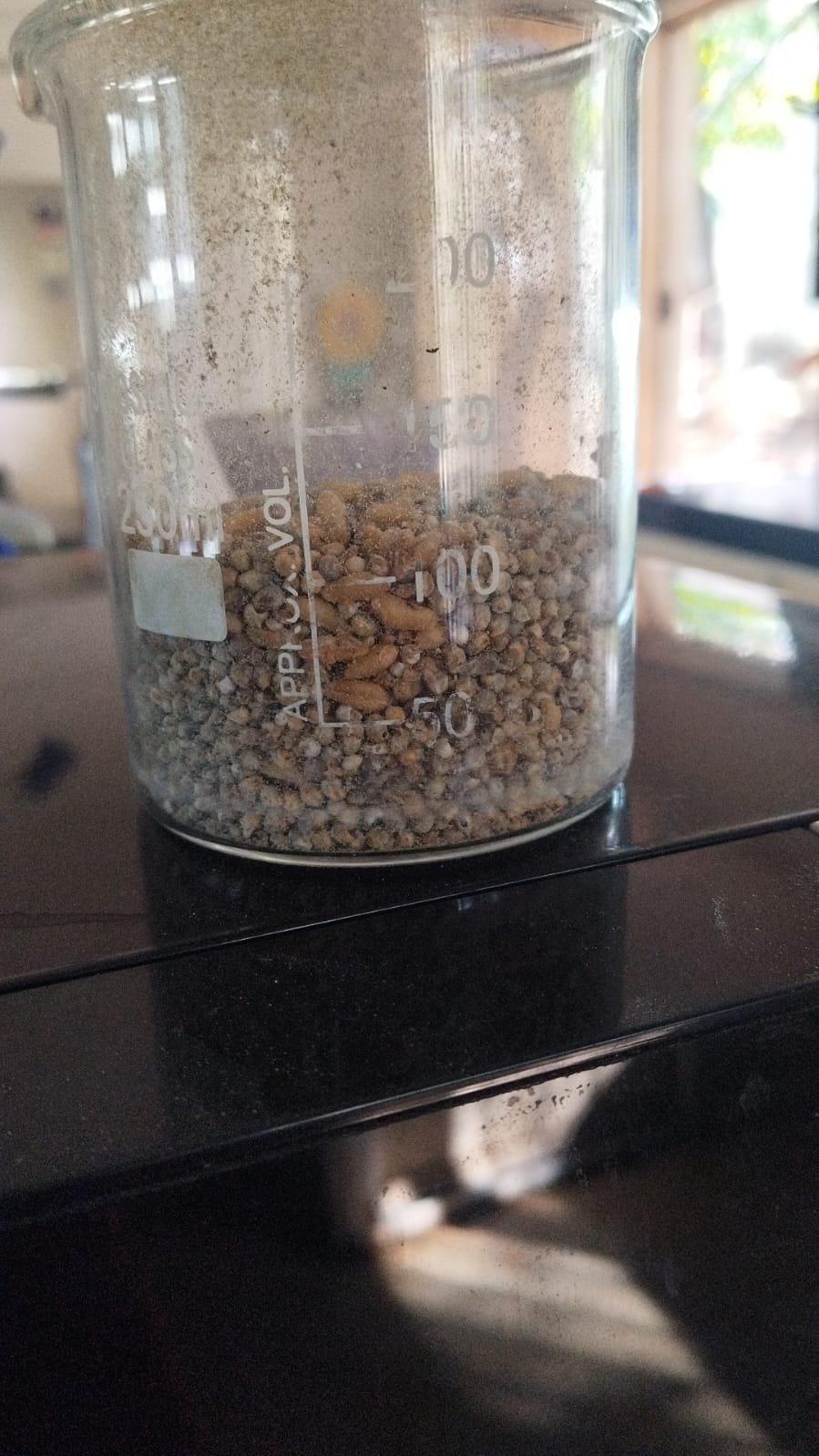
During these experiments, it was observed that bajra required more exposure time compared with the time required for wheat under the tested conditions. This indicated that the required microwave treatment time is not the same for every grain and may depend on the physical and moisture characteristics of the material.
During the bajra trials, I also observed that moisture was retained within the middle of the grain container, which appeared to influence its heating behavior. Based on this observation, multiple trials were conducted by varying the treatment time to identify a suitable exposure condition for bajra. These repeated trials helped in developing findings regarding the microwave response of bajra.
results found :-
single grains:- 30 sec
for 0.5 cm 30 sec
for 1 cm 35 sec
for 2 cm 45 sec
17/9
Microwave Trials on Chickpea Dal
Purchased chickpea dal (chana dal) from the market for further experimentation. Chickpea dal was selected because it is relatively susceptible to insect infestation during storage. To save the time required for artificially infecting the sample, I specifically purchased already-infested dal for the experiment.
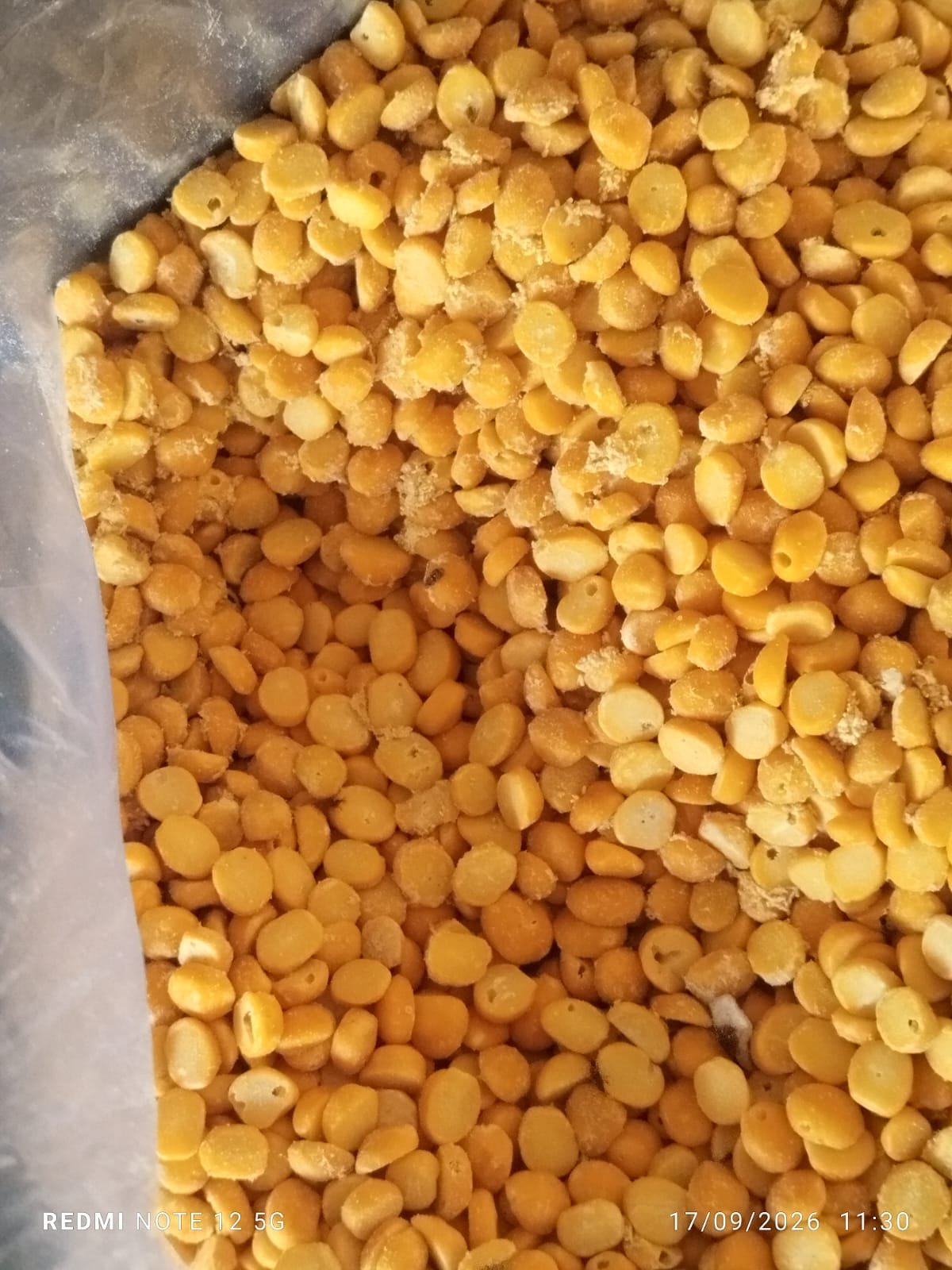
The microwave trials were then started using the infested chickpea dal. During the initial trials, a significant amount of water or moisture was released from the dal during microwave exposure. With longer exposure, the dal also started showing signs of deterioration.
Because of this, I began reducing the treatment time and conducted multiple trials to determine an approximate suitable exposure duration. During the initial experiments, an exposure time of approximately 45 seconds was identified. However, this could not immediately be considered as the final treatment time because the longer exposure resulted in excessive moisture loss and deterioration of the dal.
Observation of Insect Behavior
Another important observation was made during the chickpea dal trials. The insects present in the sample showed noticeable movement during microwave treatment. Some insects were observed attempting to move away from the treated material and leave the container.
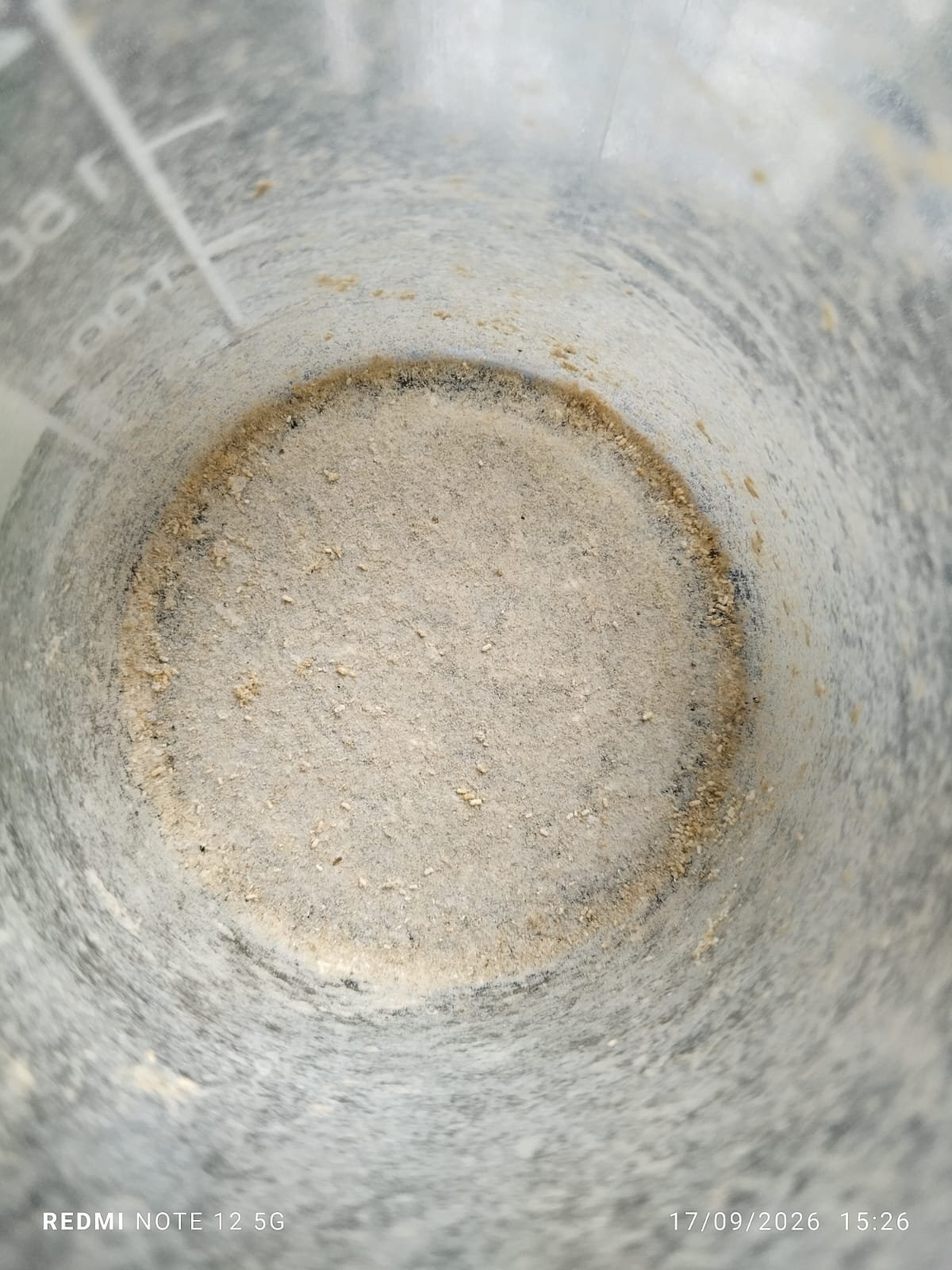
The grain-depth experiments demonstrated the importance of considering more than just a single grain layer. dal required a comparatively longer treatment time than wheat and bajri under the tested conditions, while moisture behavior was identified as an important factor affecting its microwave response.
The chickpea dal experiments showed that excessive microwave exposure could result in significant moisture release and deterioration of the material. An initial treatment time of approximately 45 seconds was identified during the trials, but further optimization is required before selecting a suitable treatment condition.
The movement of insects away from the treated material was another important observation and will need to be considered in future experimental setup and system design.
23/9
Optimization of Microwave Treatment Using Intermittent Shuffling
During the chickpea dal trials, it was observed that the previously identified 45-second exposure time caused significant deterioration of the dal. Therefore, instead of using a longer continuous exposure, the treatment method was modified to use shorter exposure intervals.
A 15-second microwave exposure interval was selected, and trials were conducted at different grain depths. After each 15-second exposure, the dal was removed and shuffled or mixed properly.
This modification produced an important observation. After the first 15-second exposure, some insects present near the surface were still active, while insects located deeper in the sample were affected by the heating. Since the dal was heating rapidly during the 15-second exposure, shuffling the sample helped redistribute the heat to the insects.
After shuffling, the insects that had been near the surface were moved into the hotter portion of the dal, while the previously deeper insects was brought toward the surface. This allowed the insects to receive additional heat during subsequent exposure.
The shuffling approach therefore appeared to improve the heat exposure while avoiding the excessive deterioration observed during a continuous 45-second treatment.
This observation suggested that short microwave exposure followed by intermittent shuffling could be a useful approach for further trials. The method may help balance two important requirements: achieving sufficient heat exposure for insect control while minimizing excessive moisture loss and deterioration of the dal.
24-25/9
Beaker Size for Microwave Trials
Before conducting the moisture-content analysis, an additional observation was made regarding the size of the beaker used during the microwave trials. During the initial chickpea dal trials, a relatively small beaker of 7 cm diameter was used. It was observed that the moisture released during heating was accumulating near the center of the sample. Due to the limited space inside the beaker, this moisture accumulation created uncertainty about whether the dal was actually deteriorating or whether the observed change was mainly due to moisture released during heating.
This observation was discussed with Dixit Sir, who suggested that the size of the beaker could be influencing the behavior of the released moisture and therefore should also be considered during the experiment.
Based on this suggestion, the trial was repeated using a larger beaker of 11 cm diameter. The larger container provided more space for the moisture released during microwave heating and reduced the possibility of moisture accumulating directly over the sample.
The trial with the larger beaker helped clarify the earlier observation. The concern regarding possible deterioration of the chickpea dal was reduced, as the sample did not show the same apparent deterioration observed with the smaller beaker. This indicated that the experimental container size could influence the observed condition of the sample and therefore needed to be controlled during further trials.
Following this observation, it was decided to conduct a moisture-content analysis to quantitatively determine how much moisture was being lost from the dal during microwave treatment.
28-29/9
Moisture Content and Further Pulse Trials
After the initial microwave trials on chickpea dal, an important observation was made regarding the apparent deterioration of the sample. During the trials, the dal appeared to be getting soft, which initially created the impression that the microwave treatment was causing deterioration. However, this observation did not match the expected behavior, since the sample should be showing of more of a roasting effect rather than actual deterioration.
To investigate this further, a separate moisture-content test was conducted. For this experiment, the sample was exposed to microwave treatment for a total duration of 7 minutes. A sample was taken after each one-minute interval and weighed to monitor the change in weight during the treatment. These samples were then used to determine the moisture content.
The moisture analysis helped clarify the earlier observation. The change in appearance was not simply due to deterioration of the dal; instead, the heating process was causing moisture loss and its mixing up with the pulse powder-type effect. This finding helped correct the initial assumption that the dal was being damaged directly by the microwave treatment.
The moisture-content results were then discussed with Dixit Sir. Based on this discussion and the observations from the chickpea dal trials, it was decided to extend the experiments to other pulses and compare their response to microwave treatment.
Trials on Mug Dal and Tur Dal
Following the discussion with Dixit Sir, further microwave trials were conducted using mug dal and tur dal. Different exposure conditions were tested to compare their response with the earlier chickpea dal trials.
For these trials, 15-second and 30-second exposure durations were considered, resulting in four different trial conditions for comparison between the two pulses.
The results indicated that the 15-second exposure was more suitable for the tested pulses. Since a longer exposure could increase heating and potentially affect the quality of the material, the 15-second interval was selected as the working treatment duration for further trials.